



If you’ve ever grabbed your 6 volt cordless drill only to find it’s out of power, you know how frustrating that can be. You might wonder, “How long should I charge it to get the best performance without wasting time?” Knowing the right charging time can save you from overcharging, damaging your battery, or being stuck mid-project.
You’ll discover exactly how long it takes to charge your 6 volt cordless drill and tips to keep your battery healthy and ready whenever you need it. Keep reading to make sure your drill is always charged and ready to work when you are.
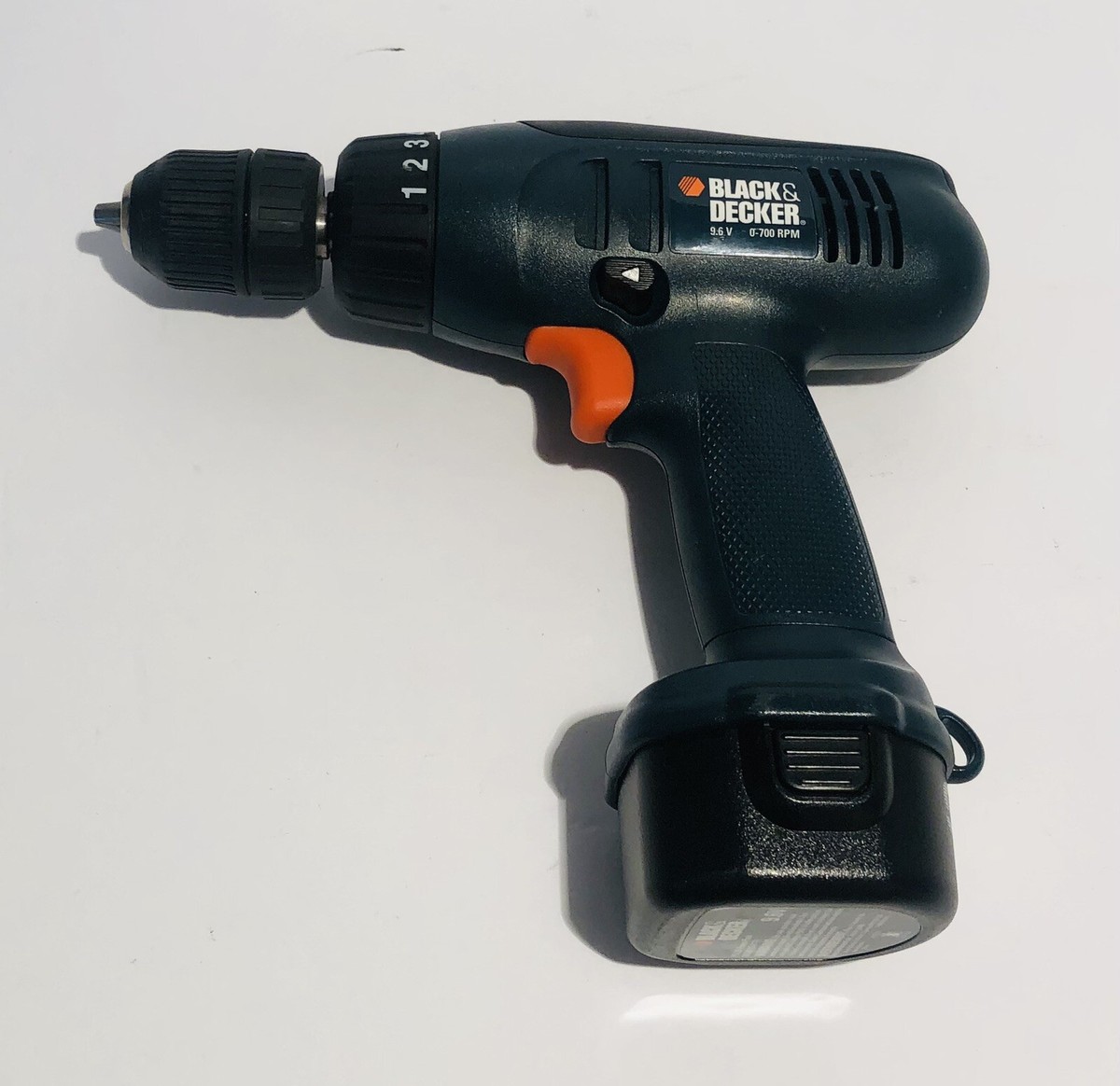
Credit: www.ebay.com
Battery Types For 6v Drills
Battery types play a big role in how you charge a 6 volt cordless drill. Different batteries hold power and recharge at different speeds. Knowing the battery type helps you understand the charging time and care needed. Here is a look at the common battery types for 6V drills.
Nicd Batteries
Nickel-Cadmium (NiCd) batteries are older but still common. They charge quickly and last long in tough jobs. NiCd batteries can handle many charge cycles without much damage. They suffer from memory effect, which lowers battery life if not fully discharged before charging. Charging time usually takes around 1 to 3 hours.
Nimh Batteries
Nickel-Metal Hydride (NiMH) batteries are newer and better for the environment. They hold more power than NiCd batteries. NiMH batteries do not suffer much from memory effect. Charging time for NiMH batteries is longer, often about 2 to 4 hours. These batteries work well for moderate use and offer good performance.
Lithium-ion Batteries
Lithium-Ion (Li-ion) batteries are the most modern option. They charge faster and last longer than NiCd and NiMH. Li-ion batteries have no memory effect, so you can charge anytime without worry. Charging time is usually 30 minutes to 2 hours. These batteries are lighter, making the drill easier to use.
Factors Affecting Charging Time
Charging time for a 6 volt cordless drill depends on several factors. Understanding these can help you plan better and avoid waiting too long. Each factor influences how fast the battery fills with energy.
Battery Capacity
Battery capacity is the amount of energy the battery can hold. It is measured in ampere-hours (Ah). A larger capacity battery takes longer to charge. Smaller batteries charge faster but may run out quickly.
Charger Output
The charger output shows how much power the charger delivers. It is measured in volts and amps. Higher output chargers charge batteries faster. Low output chargers take more time to fill the battery.
Battery Age And Condition
Older batteries lose their ability to hold charge well. Worn-out batteries may take longer to charge or not fully charge. New batteries charge quicker and last longer during use.
Typical Charging Times
Knowing the typical charging time helps you plan your work better. Charging time depends on the type of charger you use. This section explains the usual charging times for a 6 volt cordless drill.
Standard Chargers
Standard chargers are the most common for 6 volt drills. They usually take between 3 to 5 hours to fully charge the battery. The exact time varies by battery size and charger model. These chargers are safe and reliable but slower. They work well if you can wait for the full charge before use.
Fast Chargers
Fast chargers reduce charging time significantly. They can charge a 6 volt drill battery in about 1 to 2 hours. This speed helps when you need the drill quickly. Fast chargers use higher power to fill the battery faster. Remember, frequent fast charging might reduce battery life slightly.
Credit: www.walmart.com
Step-by-step Charging Process
Charging a 6 volt cordless drill is simple when you follow the right steps. This process keeps your drill ready and extends battery life. Each step ensures safe and efficient charging.
Preparing The Drill
First, turn off the drill. Remove the battery if it is detachable. Clean the battery contacts gently with a dry cloth. Make sure the charger matches the drill’s voltage.
Connecting The Charger
Plug the charger into a power outlet. Attach the battery to the charger or connect the drill if the battery is fixed. Check that the connection is secure. Avoid forcing the battery into the charger.
Monitoring The Charging
Look at the charger’s indicator light. It shows the charging status. A red light means charging, and green means full. Keep the drill in a cool place while charging. Do not leave it connected longer than recommended.
Tips To Extend Battery Life
Extending the battery life of your 6 volt cordless drill saves money and ensures better performance. Proper care helps keep the battery healthy for longer. Follow these simple tips to maintain your drill’s power and efficiency.
Avoid Overcharging
Unplug the charger once the battery is full. Overcharging can cause the battery to heat up. Heat reduces battery life over time. Use a charger with an automatic shut-off feature. This prevents unnecessary charging and protects the battery.
Store Batteries Properly
Keep batteries in a cool, dry place. Avoid extreme temperatures that damage battery cells. Store batteries partially charged, around 40-60%. Do not leave batteries fully drained or fully charged for long. Proper storage slows down battery aging and loss of capacity.
Regular Usage Practices
Use the drill regularly to keep the battery active. Long periods of inactivity can harm battery health. Avoid letting the battery completely drain before charging. Charge the battery after each use to maintain its strength. Regular use and proper charging improve battery lifespan.

Credit: cleanflow.net
Troubleshooting Charging Issues
Troubleshooting charging issues with a 6 volt cordless drill can save time and money. Problems may arise due to simple faults. Identifying the cause helps fix the drill quickly.
Most charging problems come from the charger, battery, or the drill itself. Testing each part is important. Here are common issues and ways to handle them.
Charger Not Working
Check the power source first. Make sure the outlet has electricity. Test the charger with another compatible battery if possible. Look for visible damage on the charger cord or plug. A broken charger will not charge the battery. Replace it if needed.
Battery Not Holding Charge
A battery that won’t hold charge may be old or damaged. Try charging it fully. Then use the drill to see how long it lasts. If the battery drains fast, it likely needs replacement. Keep batteries in a cool, dry place to extend life. Avoid overcharging or letting them discharge completely.
Drill Not Powering On
Check if the battery is properly inserted. Clean the battery contacts and drill terminals. Dirt or corrosion can stop power flow. Test the battery with a voltmeter if available. If the battery is fine, the drill’s internal parts might be faulty. Repair or replace the drill if it still won’t start.
Frequently Asked Questions
How Long Does It Take To Fully Charge A 6 Volt Cordless Drill?
Charging a 6 volt cordless drill usually takes between 3 to 5 hours. Charging time depends on the battery type and charger used. Always follow the manufacturer’s instructions for optimal battery life and safety.
Can I Use The Drill While It Is Charging?
Using the drill while charging is generally not recommended. It can cause overheating and damage the battery. For safety and best performance, wait until the drill is fully charged before use.
How Do I Know When The Battery Is Fully Charged?
Most chargers have an indicator light that shows charging status. A green or steady light usually means the battery is fully charged. Check your drill’s manual for specific charger signals.
What Affects The Charging Time Of A 6 Volt Cordless Drill?
Charging time varies based on battery capacity, charger output, and battery condition. Older batteries may take longer to charge. Using the original charger ensures accurate and safe charging times.
Conclusion
Charging a 6-volt cordless drill usually takes about 3 to 5 hours. This depends on the charger and battery type. Avoid overcharging to keep the battery healthy. Always follow the charger’s instructions carefully. Regular charging helps your drill work better and last longer.
Remember, patience pays off for strong, reliable power. Keep your tools ready for the next job. Simple steps make a big difference.
