


Have you ever faced a simple home project and wished you had a tool that made the job quick and easy? That’s exactly where a cordless drill comes in.
Whether you’re hanging pictures, building furniture, or fixing something around the house, this tool can be your best friend. But what exactly is a cordless drill used for, and why should it be part of your toolbox? Keep reading, and you’ll discover how this powerful yet easy-to-use device can transform your DIY tasks and save you time and effort.
Credit: www.consumerreports.org
Cordless Drill Basics
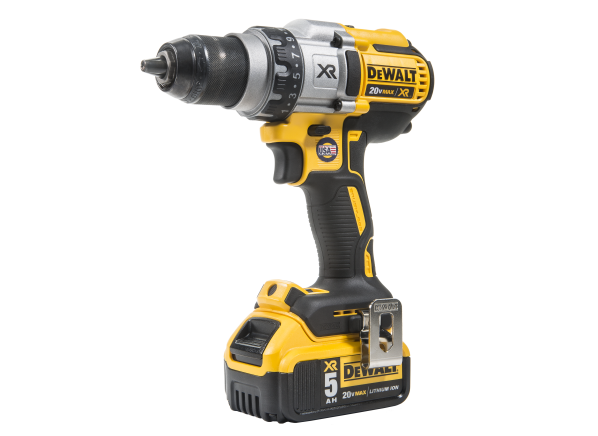
A cordless drill is a useful tool for many tasks around the home and workplace. It helps to drill holes and drive screws without the need for a power cord. This makes it easy to move around and work in tight spaces.
Understanding the basics of a cordless drill helps you use it safely and effectively. Here are key points about its features, how it works, and the types available.
Key Features
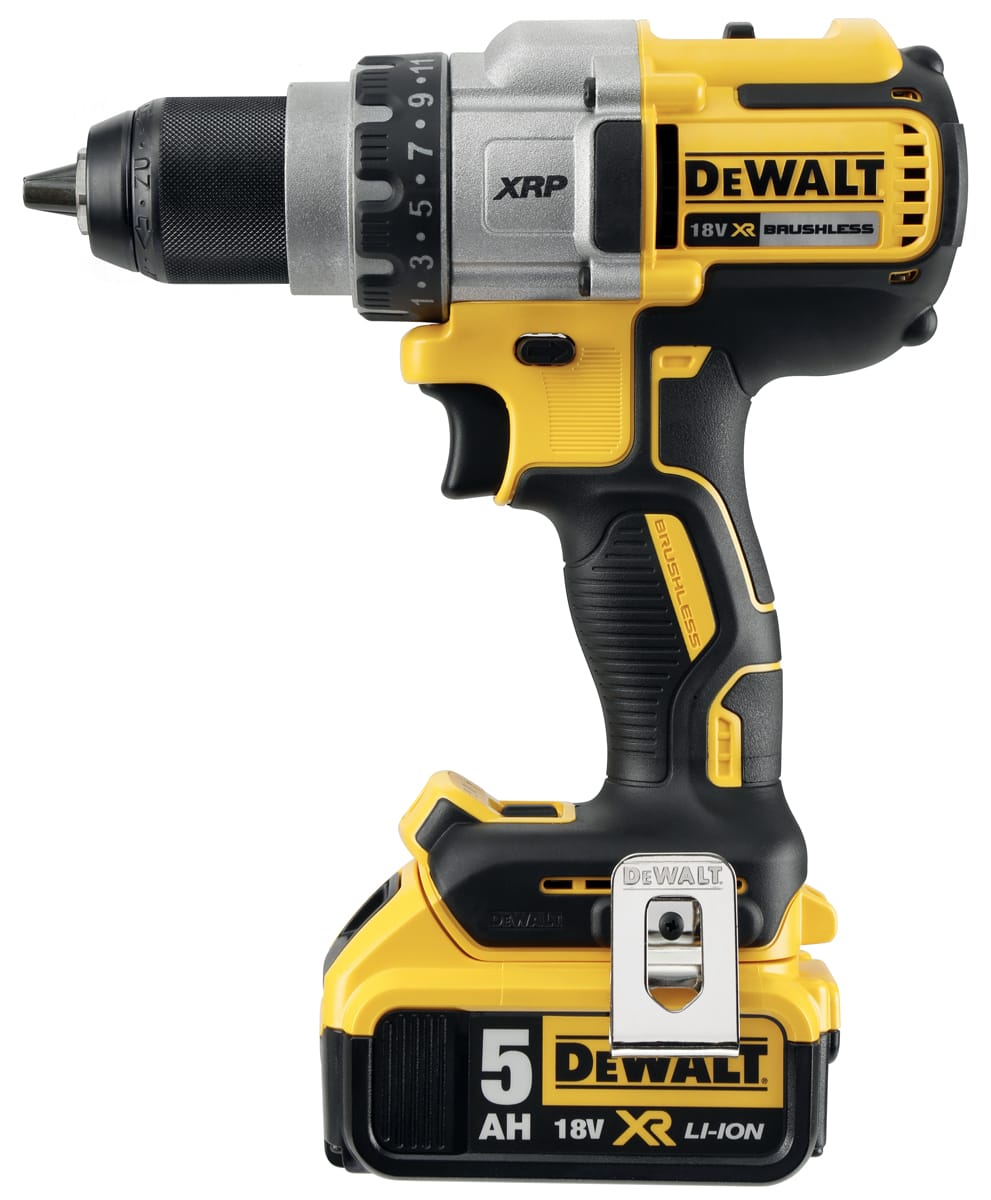
Cordless drills have a rechargeable battery that powers the tool. They usually come with variable speed settings to control drilling speed. The drill has a chuck that holds different drill bits and screwdriver bits. Many models include a built-in LED light to brighten the work area. Some drills have a clutch to prevent over-tightening screws.
How It Works
The battery sends power to the motor inside the drill. When you press the trigger, the motor spins the chuck. The drill bit attached to the chuck then turns. You can adjust speed with the trigger pressure or a switch. The clutch stops the drill if it meets too much resistance, protecting the motor and screws.
Types Of Cordless Drills
There are several types of cordless drills to fit different jobs. A standard cordless drill is good for drilling and light screwing. A hammer drill adds a hammering action for drilling into hard materials like concrete. An impact driver offers extra torque for driving large screws and bolts. Some drills come with brushless motors that last longer and run cooler.
Common Diy Applications
A cordless drill is a versatile tool for many home projects. It helps with tasks that need power and precision. Many people use it for simple repairs or building things from scratch. Below are some common DIY uses of a cordless drill.
Drilling Holes
Drilling holes is the main job of a cordless drill. It can make holes in wood, metal, plastic, and drywall. This helps to hang pictures, build furniture, or install shelves. The drill works fast and saves time compared to doing it by hand.
Driving Screws
Driving screws is easy with a cordless drill. It can quickly insert or remove screws in different materials. This is useful for putting together furniture or fixing loose parts. The drill gives good control to avoid damaging the wood or screws.
Mixing Paint Or Mortar
A cordless drill can also mix paint or mortar. You can attach a mixing paddle to the drill. This tool stirs the paint or mortar evenly without tiring your arms. It helps get a smooth mixture for better painting or building work.
Materials You Can Work On
A cordless drill is a useful tool for many jobs. It can work on different materials around your home or job site. Knowing the types of materials it can handle helps you choose the right drill and drill bits. This section looks at common materials you can work on with a cordless drill.
Wood
Wood is one of the most common materials for cordless drills. You can drill holes for screws or make pilot holes. It works well on softwood and hardwood. Use the right drill bits to avoid splintering or cracking the wood.
Metal
Cordless drills can also work on metal sheets and pipes. Use special metal drill bits for best results. Drilling metal requires steady speed and pressure. This prevents damage to the bit or the metal surface.
Plastic And Drywall
Plastic and drywall are easy to drill with a cordless drill. Use bits designed for softer materials. Drilling holes for anchors or screws is quick and clean. Take care not to crack plastic or chip drywall edges.
Choosing The Right Drill Bit
Choosing the right drill bit is key for good results with a cordless drill. Each bit fits a special task and material. Using the wrong bit can damage your project or tool. Knowing the types helps you pick the best one for your job.
Twist Bits
Twist bits are the most common drill bits. They have a spiral shape that helps remove material. These bits work well on wood, plastic, and metal. They are great for making small to medium holes. Twist bits come in many sizes for different tasks.
Spade Bits
Spade bits have a flat, paddle shape with a sharp point. They cut large holes quickly in wood. These bits are perfect for rough work like drilling holes for wires or pipes. Spade bits are not good for metal or plastic. They create clean, fast holes in soft materials.
Masonry Bits
Masonry bits are made for drilling into hard materials like brick, stone, and concrete. They have a special tip with a carbide edge. These bits are strong and durable. Use a slow speed on masonry bits to avoid damage. They help you work on walls and outdoor projects easily.
Battery And Power Considerations
Choosing the right cordless drill means understanding its battery and power. These factors affect how long the drill works and how strong it is. Knowing about batteries and power helps pick the right tool for the job.
Battery Types
Cordless drills mainly use three battery types: nickel-cadmium, nickel-metal hydride, and lithium-ion. Lithium-ion batteries are the most common today. They last longer and hold power better. Nickel-cadmium batteries are older and heavier. Nickel-metal hydride batteries are lighter but less common. Battery type affects drill weight and run time.
Run Time And Charging
Run time depends on battery size and drill use. Bigger batteries run longer but add weight. Charging time varies by battery type and charger. Fast chargers fill batteries in less than an hour. Some drills have removable batteries. This allows swapping for continuous work without waiting.
Power Vs. Portability
More power usually means a bigger, heavier drill. Smaller drills are easy to carry but less strong. Consider the tasks before choosing. Heavy drills suit tough jobs. Light drills work well for small tasks or tight spaces. Balance power and ease of use for best results.
Credit: uk.rs-online.com
Safety Tips For Using Cordless Drills
Using a cordless drill can make many tasks easier and faster. Safety is very important when using this tool. Following safety tips helps avoid injuries and damage. Knowing how to use the drill safely protects you and others nearby.
Protective Gear
Wear safety glasses to protect your eyes from dust and debris. Gloves help protect your hands from sharp edges. Use ear protection if the drill is loud. Wear clothes that fit well and avoid loose sleeves.
Proper Handling
Hold the drill firmly with both hands. Keep your fingers away from the drill bit. Do not force the drill; let it work at its own speed. Use the right drill bit for the material. Always unplug or remove the battery before changing bits.
Maintenance Practices
Keep the drill clean and dry. Check the battery regularly and charge it properly. Tighten loose parts to avoid accidents. Store the drill in a safe, dry place. Inspect the drill bit for damage before use.
Advanced Uses And Attachments
Cordless drills are not just for basic drilling and screwing. They can do much more with the right attachments. These advanced uses help you handle complex tasks easily. You can cut large holes, work in tight spaces, or drive screws with high power.
Understanding these attachments makes your cordless drill more useful. It saves time and effort on tough jobs.
Using Hole Saws
Hole saws attach to the drill to cut big, round holes. They work well on wood, plastic, and thin metal. Great for making openings for pipes or cables. Hole saws come in many sizes for different hole diameters. Using them requires steady pressure and slow speed. This keeps the cut clean and prevents damage to the material.
Right Angle Attachments
Right angle attachments help drill in tight spots. They bend the drill bit at 90 degrees. Perfect for corners or narrow spaces where a regular drill won’t fit. These attachments keep the drill compact and easy to control. Ideal for furniture assembly or electrical work in small areas.
Impact Driver Functions
Some cordless drills can also work as impact drivers. Impact drivers deliver strong, sudden rotational force. This makes driving large screws and bolts easier. They reduce wrist strain by using quick bursts of power. Impact driver mode is perfect for heavy-duty fastening jobs. It helps complete tough tasks faster and with less effort.
Credit: library.georgetown.edu
Frequently Asked Questions
What Tasks Can A Cordless Drill Perform?
A cordless drill is versatile and used for drilling holes and driving screws. It suits woodworking, metalworking, and DIY projects. Its portability makes it ideal for indoor and outdoor tasks without power restrictions.
How Does A Cordless Drill Work?
A cordless drill operates on a rechargeable battery powering an electric motor. The motor rotates the drill bit or driver bit. Speed and torque are adjustable, enabling efficient drilling and screw driving on various materials.
What Materials Can A Cordless Drill Handle?
Cordless drills can handle wood, metal, plastic, drywall, and masonry with proper drill bits. Choosing the correct bit type ensures clean holes and prevents damage to the material or the drill.
Why Choose A Cordless Drill Over A Corded Drill?
Cordless drills offer greater mobility and convenience without cords limiting movement. They are lighter, easier to handle, and ideal for quick jobs or places without power outlets. Battery life and power have improved significantly.
Conclusion
A cordless drill helps with many tasks around the home. It works for drilling holes and driving screws. It saves time and effort on DIY projects. You can use it in places without power outlets. The tool is light and easy to carry.
Everyone from beginners to experts finds it useful. Choosing the right drill fits your needs best. Practice will improve your skills quickly. Keep it charged and ready for any job. A cordless drill is a handy tool to own.
