



Got a cordless drill battery that’s dead or no longer working? You might be wondering how to get rid of it safely without harming the environment or risking your safety.
Tossing it in the trash isn’t the answer—it can be dangerous and illegal. But don’t worry, you’re in the right place. This guide will show you simple, clear steps to dispose of your cordless drill batteries the right way. Keep reading to learn how you can protect your home, your health, and the planet with just a few easy actions.
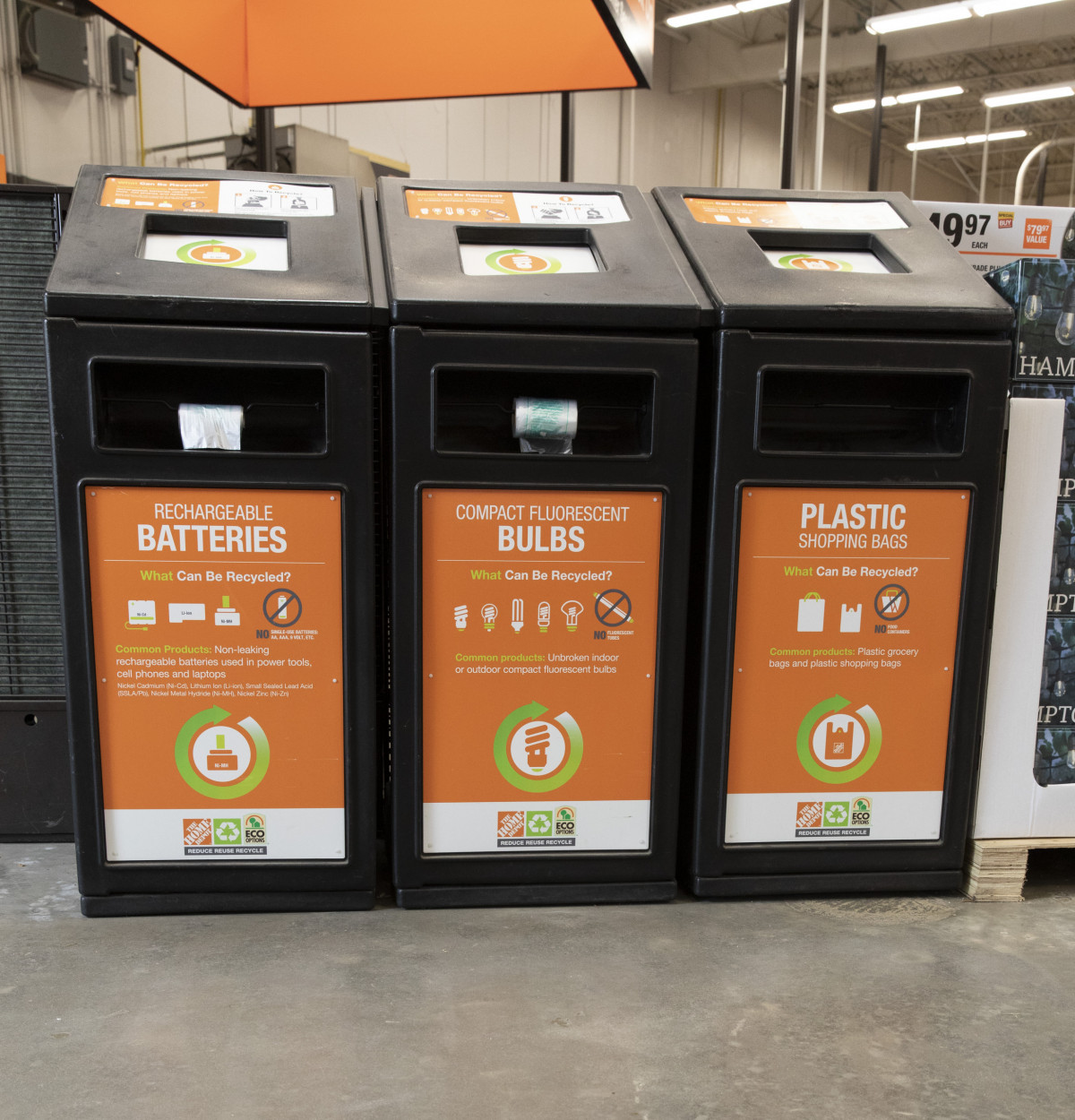
Credit: ecoactions.homedepot.com
Types Of Cordless Drill Batteries
Cordless drills use different types of batteries. Each battery type has unique features. Knowing these types helps in proper disposal. It also ensures safety and environmental care.
Understanding battery types helps you recycle correctly. This section covers three common cordless drill batteries. Learn their basics to handle them safely.
Nickel-cadmium Batteries
Nickel-Cadmium (NiCd) batteries are older technology. They last long but contain toxic metals. Cadmium is harmful to the environment. NiCd batteries need special recycling methods. Never throw them in regular trash.
Lithium-ion Batteries
Lithium-Ion (Li-ion) batteries are popular today. They are lightweight and hold charge well. Li-ion batteries last longer than NiCd. They are less toxic but still need careful disposal. Do not burn or crush these batteries.
Nickel-metal Hydride Batteries
Nickel-Metal Hydride (NiMH) batteries are common in mid-range drills. They store more energy than NiCd. NiMH batteries are less harmful but still recyclable. Proper disposal prevents pollution and saves resources.
Credit: www.spokanecounty.gov
Risks Of Improper Disposal
Throwing away cordless drill batteries without care can cause serious problems. These batteries contain harmful chemicals and metals. They need special handling to keep people and nature safe. Ignoring proper disposal rules can lead to many risks. Understanding these risks helps us avoid damage and danger.
Environmental Impact
Cordless drill batteries have toxic metals like lead and cadmium. When tossed in trash, these metals leak into soil and water. This pollution harms plants, animals, and ecosystems. Toxic chemicals can stay in the environment for years. Proper disposal keeps nature clean and safe.
Fire Hazards
Batteries store a lot of energy. Damaged or crushed batteries may short circuit. This can cause sparks or fires. Fires from batteries are hard to control. They can burn homes, forests, or waste facilities. Safe disposal reduces fire risks in trash and recycling centers.
Health Concerns
Chemicals inside batteries can harm humans. Touching leaking batteries may cause skin burns or irritation. Breathing fumes from damaged batteries can hurt lungs. Toxic metals can enter the body and cause long-term illness. Proper disposal protects family, workers, and communities.
Preparation Before Disposal
Proper preparation helps ensure safe and easy disposal of cordless drill batteries. Taking a few careful steps reduces risks and protects the environment. Follow these simple actions before you throw away the battery.
Discharging The Battery
Drain the battery to lower its charge. Use the drill until the battery is almost empty. This step prevents sparks and heat during disposal. Never damage the battery to discharge it. Let it run out naturally while using the tool.
Protecting Battery Terminals
Cover the battery terminals with tape. Use electrical or masking tape to cover the metal parts. This stops short circuits and sparks. Make sure the tape sticks well. Avoid placing batteries where terminals can touch metal objects.
Checking Local Regulations
Find out the rules for battery disposal in your area. Many places have special collection points for rechargeable batteries. Some stores or recycling centers accept old drill batteries. Follow local laws to keep the environment safe. Do not throw batteries in regular trash bins.
Recycling Options
Recycling cordless drill batteries helps protect the environment. These batteries contain materials that can harm soil and water. Proper recycling recovers valuable metals and reduces waste. Several easy options exist for recycling these batteries safely.
Retail Drop-off Points
Many stores accept used cordless drill batteries for recycling. Home improvement and electronics stores often have drop-off bins. This option is convenient because you can recycle while shopping. Staff can also give guidance on battery recycling rules.
Household Hazardous Waste Facilities
Local hazardous waste centers take cordless drill batteries. These facilities handle dangerous materials with care. They follow strict rules to recycle or dispose of batteries safely. Check your city or county website to find the nearest center. This method keeps batteries out of landfills.
Mail-in Recycling Programs
Some companies offer mail-in recycling for cordless drill batteries. You send your batteries using a pre-paid shipping label. The company recycles batteries at certified facilities. This option works well if no local drop-off points exist. Always pack batteries properly to avoid damage during shipping.
Safe Storage Of Used Batteries
Storing used cordless drill batteries safely is very important. Batteries can be dangerous if handled carelessly. Proper storage helps prevent leaks, fires, or damage. It keeps your home and environment safe. Follow clear steps to store these batteries correctly before disposal.
Avoiding Damage
Keep batteries away from heat and direct sunlight. Avoid dropping or crushing them. Do not mix with metal objects that can cause short circuits. Check batteries often for cracks or leaks. Damaged batteries need special care to avoid accidents.
Proper Container Use
Use a plastic or metal container with a tight lid. Avoid using cardboard or paper containers. The container should be dry and clean. Place batteries separately, without touching each other. This stops sparks and short circuits during storage.
Labeling For Safety
Mark the container clearly as “Used Batteries.” Include the date when you stored the batteries. This helps you track how long batteries have been stored. Labels warn others to handle the container with care. Clear labeling prevents accidents and confusion.
Alternatives To Disposal
Disposing of cordless drill batteries is not the only option. There are better ways to give them a second life. These alternatives help reduce waste and save money. They also protect the environment from harmful chemicals inside batteries.
Battery Refurbishment
Battery refurbishment means fixing old batteries to work again. Experts test the battery’s cells and replace damaged parts. Refurbished batteries last longer and perform like new. This process keeps batteries out of landfills and saves resources.
Donation And Reuse
Old batteries can still have some power left. Donate them to schools, workshops, or community groups. People there can use these batteries for small projects or practice. This reuse extends the battery’s life and helps others save money.
Upgrading To New Batteries
Sometimes upgrading to new batteries is the best choice. New batteries have better technology and last longer. Choose batteries compatible with your drill model. Recycle the old battery properly at a local recycling center.
Tips For Extending Battery Life
Extending the life of your cordless drill batteries helps save money and reduce waste. Proper care keeps batteries working longer and performing better. Follow simple tips to maintain battery health and avoid common mistakes.
Regular Maintenance
Clean battery contacts with a dry cloth to remove dirt and dust. Check for any damage or swelling regularly. Avoid dropping or banging the battery to prevent internal damage. Use the drill and battery regularly to keep them active.
Optimal Charging Practices
Charge batteries fully before using them for the first time. Use the charger made for your battery brand. Avoid overcharging by unplugging the charger once the battery is full. Do not let the battery drain completely before charging again.
Storage Guidelines
Store batteries in a cool, dry place away from direct sunlight. Keep batteries at about 40-60% charge when not in use for a long time. Avoid storing batteries in freezing or very hot conditions. Remove batteries from the drill during storage to prevent slow discharge.

Credit: corporate.lowes.com
Frequently Asked Questions
How Should I Dispose Of Cordless Drill Batteries Safely?
Dispose of cordless drill batteries at authorized recycling centers. Never throw them in regular trash due to hazardous materials. Check local regulations and battery retailer programs for proper disposal options. Safe disposal prevents environmental harm and potential fire risks.
Can I Recycle Old Cordless Drill Batteries?
Yes, cordless drill batteries are recyclable. Take them to battery recycling drop-off points or electronic stores. Recycling recovers valuable materials and reduces landfill waste. Always remove batteries from tools before recycling.
What Happens If I Throw Cordless Drill Batteries In Trash?
Throwing batteries in trash risks fire and environmental pollution. Batteries contain toxic metals that can leak and contaminate soil and water. Improper disposal is illegal in many areas and harmful to health.
Where Can I Find Cordless Drill Battery Recycling Centers?
Find recycling centers via local waste management websites or battery manufacturer sites. Many hardware stores and electronic retailers accept used batteries for recycling. Use online locator tools to identify nearby drop-off points.
Conclusion
Proper disposal of cordless drill batteries keeps the environment safe. Avoid throwing them in regular trash bins. Many stores and recycling centers accept old batteries. Removing batteries carefully prevents damage and leaks. Always check local rules for battery disposal. Small steps protect nature and reduce pollution.
Handle batteries with care to avoid risks. Recycling helps recover valuable materials inside batteries. Stay responsible and keep your workspace clean. Safe disposal benefits you and the planet.
