


If you’ve ever struggled with a stuck or worn-out chuck on your Ryobi cordless drill, you know how frustrating it can be. Removing the chuck might seem tricky, but once you know the right steps, it’s easier than you think.
In this guide, you’ll learn exactly how to remove the chuck safely and quickly, so you can get back to your project without delay. Keep reading, and you’ll gain the confidence to handle your drill like a pro.
Tools Needed
Removing the chuck from a Ryobi cordless drill requires a few simple tools. Having the right tools makes the job easier and safer. Gather everything before you start to avoid interruptions.
Safety Glasses
Protect your eyes from dust and debris. Safety glasses keep your vision clear and safe.
Allen Wrench
This tool helps loosen the screws inside the chuck. Usually, a 3mm or 4mm size fits most Ryobi drills.
Adjustable Wrench
Use it to grip and turn the chuck. The adjustable feature fits different sizes.
Rubber Mallet
Tap gently to loosen stuck parts. A rubber mallet avoids damage to the drill.
Work Gloves
Wear gloves to protect your hands. They improve grip and reduce injury risk.

Credit: www.youtube.com
Safety Precautions
Always unplug the drill before removing the chuck to avoid accidents. Wear safety glasses to protect your eyes from dust or debris. Keep your hands clear of moving parts during the process.
Turn Off And Unplug The Drill
Always switch off the Ryobi cordless drill before removing the chuck. Remove the battery pack to stop any power flow. This step prevents accidental starts that can cause injury.
Wear Protective Gear
Wear safety goggles to protect your eyes from debris. Use gloves to avoid cuts or scrapes on your hands. Safety gear reduces the risk of injury during the process.
Work In A Clean And Well-lit Area
Choose a clean workspace with good lighting. Clear away clutter to avoid tripping or losing small parts. A tidy space helps you focus and work safely.
Use The Right Tools
Use the correct wrench or tool designed for your Ryobi drill. Using the wrong tool can damage the chuck or drill. Proper tools make the removal easier and safer.
Follow Manufacturer Instructions
Read the Ryobi drill manual before starting. The manual offers specific safety tips and removal steps. Following instructions lowers the chance of mistakes and accidents.
Identify Your Ryobi Drill Model
Knowing your Ryobi drill model helps you remove the chuck properly. Different models have unique designs and features. This knowledge prevents damage to your drill and makes the task easier.
Check the drill’s label or manual for the model number. It is usually on the side or bottom of the drill. Keep this number handy before starting the chuck removal.
Locate The Model Number On Your Drill
Look for a sticker or engraving on the drill body. The model number is often a combination of letters and numbers. Write it down or take a clear photo for reference.
Consult The User Manual
Your Ryobi drill manual shows the exact model and parts. It explains how to remove the chuck safely. Manuals are available online if you lost the paper copy.
Check Online Resources
Ryobi’s official website provides details for each model. You can search by the model number for guides and videos. This helps confirm the removal steps for your drill.
Prepare The Drill For Chuck Removal
Start by turning off the drill and removing the battery for safety. Clean the chuck area to see all parts clearly before removal. Use the right tool to loosen the chuck carefully without damaging it.
Gather Necessary Tools And Safety Gear
Start by collecting all tools needed for chuck removal. You will need an Allen wrench or chuck key. Also, prepare safety glasses and gloves. These protect your eyes and hands during the process.
Remove The Battery
Always remove the battery before working on the drill. This prevents accidental starts and electric shocks. Press the battery release button and slide the battery out carefully.
Clean The Drill Area
Wipe the drill around the chuck to remove dust and dirt. A clean surface helps you see parts clearly. It also prevents debris from entering the drill mechanism.
Secure The Drill In A Stable Position
Place the drill on a flat surface or clamp it gently. Make sure it does not move while you work. Stability makes chuck removal easier and safer.
Remove Chuck Without Key
Removing the chuck from a Ryobi cordless drill without a key is possible. The chuck holds the drill bit in place. Sometimes, the key is lost or broken. This guide shows easy ways to remove the chuck by hand or with simple tools.
Loosen Chuck By Hand
Hold the drill firmly with one hand. Turn the chuck counterclockwise with your other hand. Use a strong grip to twist the chuck. This may loosen it enough to remove. If it feels stuck, try twisting harder but carefully.
Wearing gloves can help improve your grip. Keep turning until the chuck loosens and comes off. This method works best if the chuck is not too tight.
Use Adjustable Wrench
Find an adjustable wrench that fits the chuck’s outer edge. Secure the wrench around the chuck firmly. Turn the wrench counterclockwise to loosen the chuck. This tool gives extra force to break the tight grip.
Be careful not to damage the chuck or drill. Apply steady pressure and avoid sudden force. Once loose, you can remove the chuck by hand. This method works well for very tight chucks without a key.
Credit: www.rtk-holding.ru
Remove Keyed Chuck
Removing a keyed chuck from a Ryobi cordless drill is simple. This type of chuck uses a special tool called a chuck key to tighten or loosen the drill bit. Removing the chuck requires using this key to unlock the grip.
Follow these steps carefully to avoid damage and make the process smooth. Always keep the chuck key handy before starting.
Locate Chuck Key
The chuck key is a small, toothed tool. It fits into the holes on the side of the chuck. Usually, the key comes with the drill. Check your drill case or toolbox to find it.
If you do not have the original key, you can buy a replacement at a hardware store. Make sure it matches the size of your chuck.
Turn Chuck Key To Loosen
Insert the chuck key into one of the chuck’s holes. Turn the key counterclockwise. This action loosens the jaws inside the chuck.
Keep turning until the drill bit can be removed easily. To remove the chuck itself, continue loosening until it detaches from the drill spindle.
Use steady force to avoid slipping or damaging the chuck. If the chuck is tight, try using a cloth for a better grip on the key.
Remove Stuck Chuck
Removing a stuck chuck from a Ryobi cordless drill can be tricky. The chuck may get jammed due to dirt, rust, or tight parts. Taking the right steps helps free it without damage. Follow these simple methods to loosen the stuck chuck safely.
Apply Penetrating Oil
Start by applying penetrating oil around the chuck. Use a small brush or cloth to spread it evenly. Let the oil sit for 10 to 15 minutes. This helps loosen rust and dirt inside the chuck mechanism. Avoid using too much oil to prevent mess.
Tap Chuck Gently
After oiling, tap the chuck gently with a rubber mallet. Light taps can break loose stuck parts inside. Hold the drill firmly and tap around the chuck’s edge. Do not hit too hard to avoid damage. Repeat tapping and try to twist the chuck open.
Use Heat If Needed
If the chuck still won’t move, apply gentle heat. Use a hairdryer or heat gun on low setting. Warm the chuck evenly for a few minutes. Heat expands metal parts and may loosen the jam. Avoid overheating to protect plastic and internal parts.
Reinstall Or Replace Chuck
Reinstalling or replacing the chuck on a Ryobi cordless drill keeps the tool working well. A worn or damaged chuck can cause problems with holding drill bits tightly. Fixing or changing the chuck restores the drill’s grip and performance. This section guides you through the steps for reinstalling or replacing the chuck safely and easily.
Removing The Old Chuck
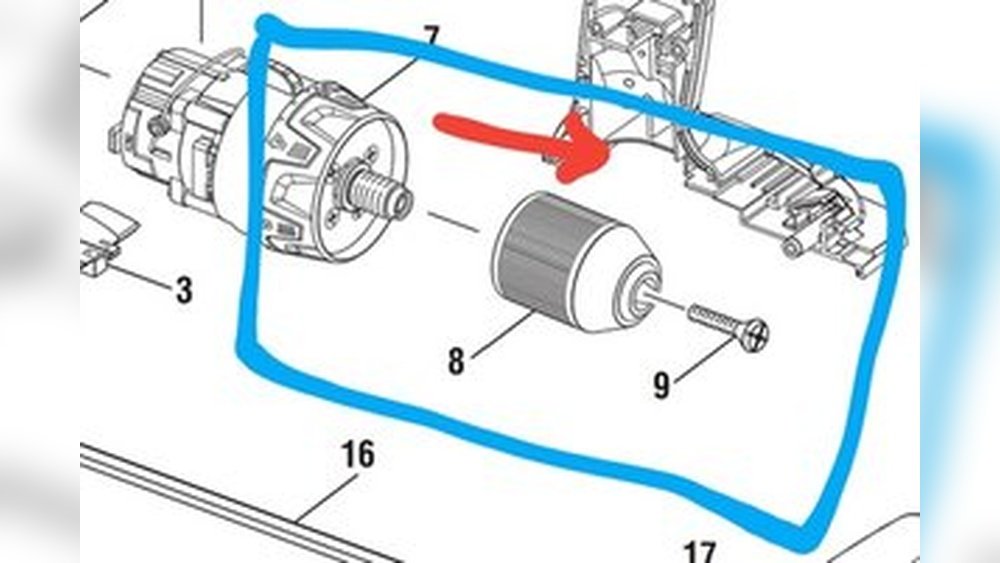
Start by removing the old chuck. Open the jaws wide to see the screw inside. Use a screwdriver to take out the screw. Next, hold the chuck firmly and turn it counterclockwise to unscrew it. You may need to use a wrench for extra grip. Once loose, pull the chuck off the drill shaft.
Preparing The Drill For The New Chuck
Clean the drill shaft before installing the new chuck. Remove dirt and dust with a cloth. Check the threads for damage. Apply a small amount of machine oil to the shaft. This helps the new chuck slide on smoothly and prevents rust.
Installing The New Or Old Chuck
Align the chuck with the drill shaft. Slide it on straight without forcing it. Turn the chuck clockwise to screw it in place. Tighten it by hand first. Use a wrench to make it snug but not too tight. Insert and tighten the chuck screw to lock it securely.
Testing The Chuck
Insert a drill bit into the chuck. Tighten the jaws by hand or with the drill’s tightening feature. Turn on the drill at low speed. Check if the chuck holds the bit firmly without slipping. If the bit moves, tighten the chuck more. The drill is ready for use once the bit stays secure.
Maintenance Tips
Proper maintenance helps your Ryobi cordless drill last longer. It keeps the chuck working smoothly and prevents damage. Simple care steps save time and money.
Regular checks and cleaning improve drill performance. Clean parts reduce wear and tear. Lubricate moving parts for easy operation.
Clean The Chuck Regularly
Dirt and dust build up inside the chuck. Use a small brush to remove debris. Wipe with a dry cloth to keep it clean.
Lubricate Moving Parts
Apply light machine oil to the chuck’s moving parts. This prevents rust and keeps it turning smoothly. Wipe off excess oil to avoid attracting dust.
Check For Wear And Damage
Inspect the chuck for cracks or worn teeth. Replace the chuck if you find damage. A damaged chuck can cause drill bits to slip.
Tighten Loose Parts
Make sure the chuck is firmly attached to the drill. Use the correct tool to tighten if needed. Loose parts affect drill accuracy and safety.
Store The Drill Properly
Keep the drill in a dry, cool place. Avoid areas with high humidity or dust. Proper storage protects the chuck and battery from damage.

Credit: www.youtube.com
Frequently Asked Questions
How Do I Remove A Chuck From A Ryobi Cordless Drill?
To remove the chuck, first detach the battery for safety. Then, open the chuck jaws fully. Locate the screw inside and unscrew it counterclockwise. Use an Allen wrench to turn the chuck counterclockwise until it loosens and can be removed by hand.
What Tools Are Needed To Remove Ryobi Drill Chuck?
You need an Allen wrench (hex key) and a screwdriver. The screwdriver removes the chuck screw, and the Allen wrench loosens the chuck. These tools ensure safe and efficient removal without damaging the drill or chuck.
Can I Remove The Chuck Without Removing The Drill Battery?
No, always remove the battery first. This prevents accidental activation and ensures safety during the chuck removal process. Removing the battery reduces the risk of injury or damage to the drill.
How Do I Loosen A Stuck Chuck On Ryobi Drill?
Remove the chuck screw first. Then, use an Allen wrench inserted into the chuck’s hex socket. Turn the wrench counterclockwise firmly to loosen the chuck. If it’s stuck, apply light penetrating oil and wait before trying again.
Conclusion
Removing the chuck from your Ryobi cordless drill is simple and quick. Use the right tools and follow clear steps. Always keep safety in mind while working on your drill. Regular maintenance helps your drill last longer and work better.
Now, you can change bits or fix your drill easily. Take your time, and you will do it right. Practice makes the task feel easier each time. Stay confident and ready for your next project.
