


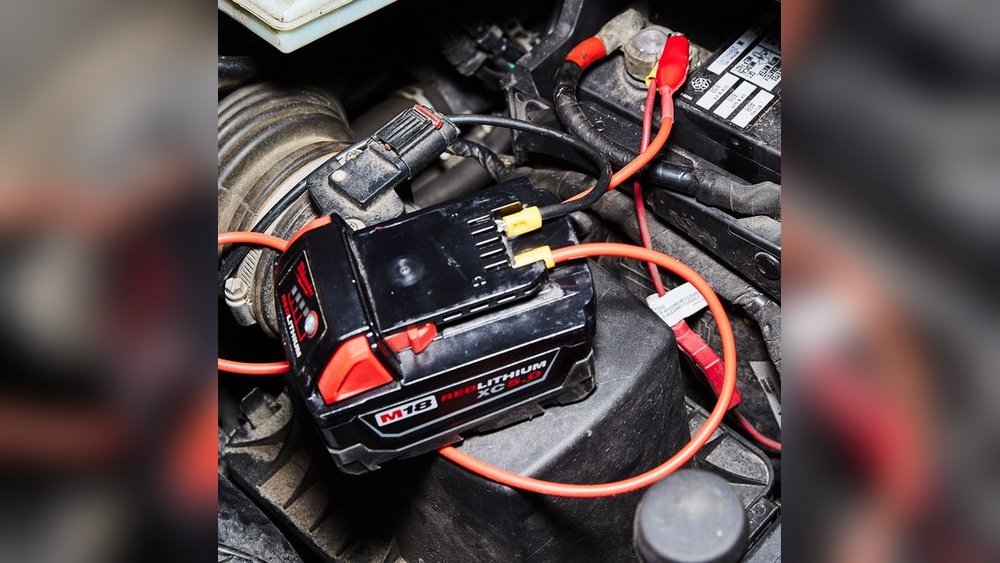
Have you ever found yourself stuck with a dead car battery and wondered if your cordless drill battery could jump-start your car? It sounds like a clever hack, right?
You might be curious if that small battery pack in your drill has the power to get your engine running. Before you give it a try, it’s important to understand what really happens when you use a cordless drill battery to start a car.
Keep reading to discover the surprising truth and learn why this idea might not be as simple or safe as it seems. Your next move could save you time, money, and frustration.

Credit: www.instructables.com
How Car Starters Work
Understanding how a car starter works helps explain why starting a car requires a lot of power. The starter motor turns the engine over to begin the combustion process. Without enough power, the starter motor cannot turn the engine effectively.
Basics Of A Car Starter Motor
The car starter motor is an electric motor. It engages with the engine’s flywheel. When you turn the key or push the start button, it activates the starter motor. The motor spins the engine’s crankshaft. This action allows the engine to start running on its own. The starter motor uses a small gear called a pinion. This pinion meshes with the flywheel teeth. It helps turn the engine’s heavy parts. The motor only runs for a few seconds during starting.
Power Requirements For Starting
Starting a car needs a lot of electrical power. The battery supplies this power. It must provide high current quickly. Usually, a car battery delivers hundreds of amps for a few seconds. This burst of power spins the starter motor fast. Without this power, the engine won’t crank. The starter motor needs more power than most small batteries can provide. The power demand is why car batteries are large and heavy. A cordless drill battery usually cannot supply enough current to start a car.
Credit: www.theautopian.com
Cordless Drill Batteries Explained
Cordless drill batteries power many tools in homes and workshops. Understanding their basics helps explain their limits and uses. These batteries vary in type, voltage, and power output. These factors affect what the battery can do and how long it lasts.
Battery Types And Voltage
Most cordless drill batteries use lithium-ion or nickel-cadmium technology. Lithium-ion batteries are lighter and hold charge longer. Nickel-cadmium batteries are heavier and may lose charge faster. Voltage shows the strength of the battery. Common drill batteries range from 12 to 20 volts. Higher voltage means more power but can be bulkier. The battery voltage must match the drill’s requirements to work properly.
Capacity And Power Output
Battery capacity is measured in ampere-hours (Ah). This tells how long the battery can run before needing a recharge. Higher capacity means longer run time. Power output depends on both voltage and capacity. A battery with high voltage and capacity delivers more energy. This power affects the drill’s speed and torque. Cordless drill batteries have limits that usually do not match a car battery’s needs.
Attempting To Start A Car With A Drill Battery
Attempting to start a car with a cordless drill battery sounds interesting. Many wonder if a drill battery can power a car’s starter motor. The idea comes from the battery’s portability and power. Still, a car engine requires a lot of energy to start. This section explores whether a drill battery can handle that task.
Feasibility And Challenges
Drill batteries are designed for small tools, not car engines. They provide low voltage and limited current. Car starters need high current bursts to turn the engine. The drill battery may not supply enough power. Also, drill batteries are usually 18V or 20V. Car batteries are 12V but with much higher amperage. This difference makes starting a car with a drill battery hard. The battery might drain quickly or fail to turn the engine.
Potential Risks And Dangers
Using a drill battery to start a car can be risky. The battery may overheat or get damaged from high current draw. There is a chance of sparks or short circuits. This can cause injury or start a fire. The car’s electrical system may also get damaged. Batteries not meant for this use can fail suddenly. It is safer to use proper car batteries or jump starters.
Real-life Experiments And Results
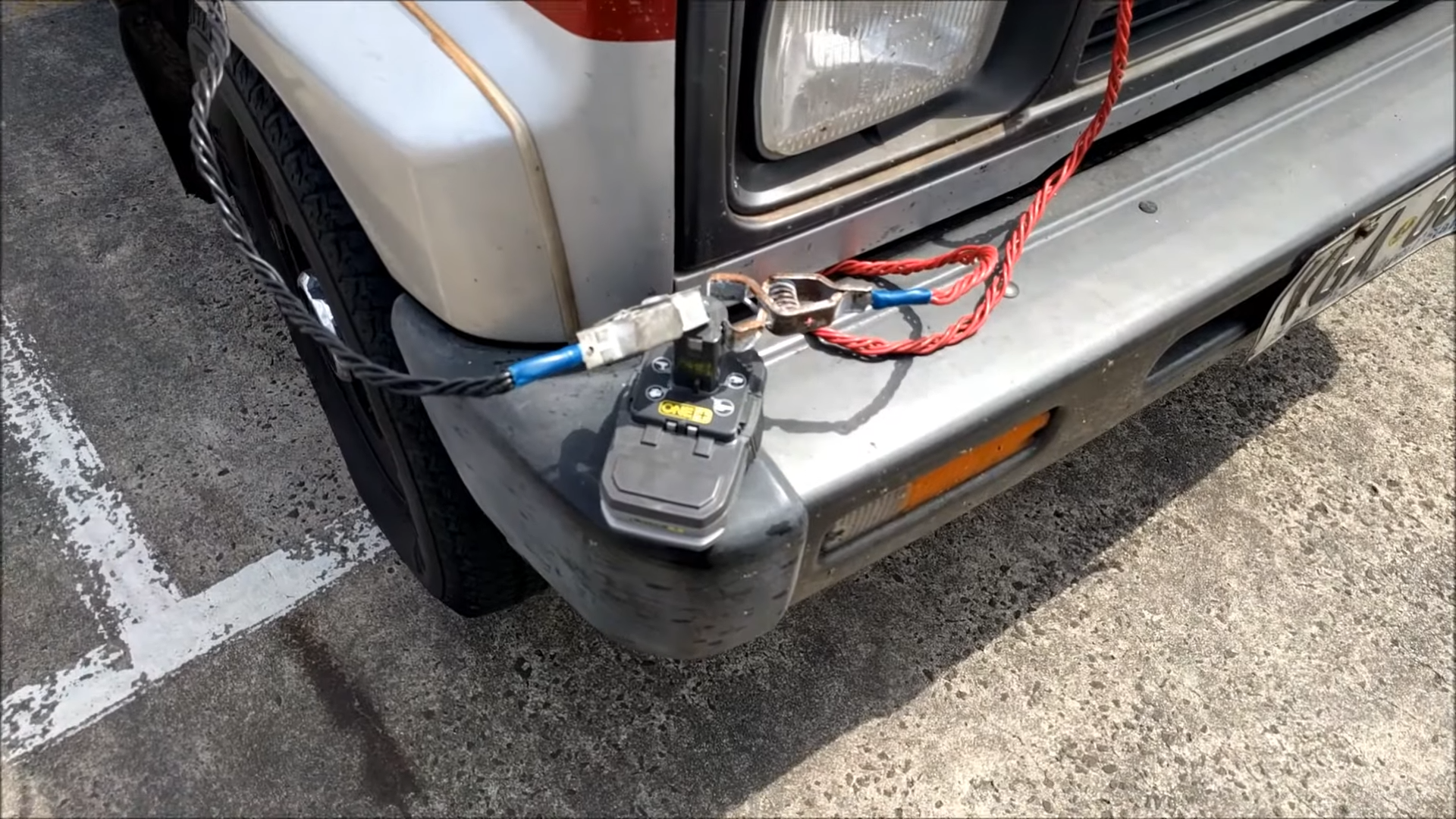
Many people have tried using a cordless drill battery to start a car. These real-life tests show what really happens. Some attempts succeed, while others do not. Understanding the results helps us see if this idea is practical or just a myth.
Successful Attempts
Some users managed to start small engines using a drill battery. They often used high-capacity lithium-ion batteries. These batteries provide enough power to turn the engine briefly. Success usually happened with smaller engines or electric start systems. Proper connections and good battery condition mattered a lot. Quick bursts of power were enough to start the engine in these cases.
Common Failures
Many attempts failed because drill batteries lack enough current. Car starters need a strong, steady power supply. Drill batteries often cannot deliver enough amps for long. Batteries drained too fast or overheated in some tests. Poor connections and weak battery charge caused failures. Larger engines rarely started with only a drill battery. These failures show the limits of using cordless drill batteries for cars.
Alternatives To Jump-start Your Car
Starting a car with a cordless drill battery is not practical. There are better ways to jump-start your car safely. These alternatives are easy to use and reliable. Knowing them helps you avoid damage and saves time.
Portable Jump Starters
Portable jump starters are small devices that store power. They connect directly to your car battery. They deliver the right amount of power to start your engine. No need for another car or help. Most models are compact and easy to carry. They often have USB ports to charge phones. A good option for emergencies on the road.
Traditional Jump Cables
Traditional jump cables use another car’s battery to start your car. Connect the cables carefully to avoid sparks. Positive to positive, negative to negative. This method needs a second vehicle with a working battery. It is cheap and widely known. Requires caution and some knowledge to perform safely. A common choice for many drivers worldwide.

Credit: www.instructables.com
Safety Tips When Using Batteries
Using cordless drill batteries to start a car can be tempting but requires caution. Batteries store power that can be dangerous if handled poorly. Safety is important to avoid injury or damage. Follow these tips to use batteries safely and protect yourself.
Handling Lithium-ion Batteries
Lithium-ion batteries can overheat or catch fire if damaged. Always check for cracks or leaks before use. Keep batteries dry and away from metal objects. Store them in a cool, dry place. Never use a battery that looks swollen or damaged. Handle batteries gently to avoid drops or impacts.
Avoiding Electrical Hazards
Electric shocks can happen if you connect batteries incorrectly. Always connect positive to positive and negative to negative. Use insulated tools to prevent accidental shorts. Avoid touching both terminals at the same time. Never try to open or modify the battery. Work in a clean area free from flammable materials.
Frequently Asked Questions
Can A Cordless Drill Battery Start A Car?
No, a cordless drill battery lacks the necessary voltage and current. Car starters need high power that drill batteries can’t deliver.
What Voltage Does A Cordless Drill Battery Have?
Most cordless drill batteries range from 12V to 20V. Car batteries usually provide 12V but with much higher current capacity.
Why Won’t A Drill Battery Crank A Car?
Drill batteries have low ampere-hour ratings and limited current output. Car starters require a surge of hundreds of amps instantly.
Can Modifying A Drill Battery Help Start A Car?
Modifying a drill battery is unsafe and ineffective. It risks damage, fire, or injury without providing enough power to start a car.
Conclusion
Starting a car with a cordless drill battery is not practical. These batteries do not provide enough power to crank the engine. Car batteries deliver much higher voltage and current. Using a drill battery can damage both the battery and your car.
It’s safer to use a proper car battery or jump starter. Always choose the right tool for your car’s needs. Save time and avoid risks by using the correct power source. Remember, a cordless drill battery works best for drills, not cars.
