


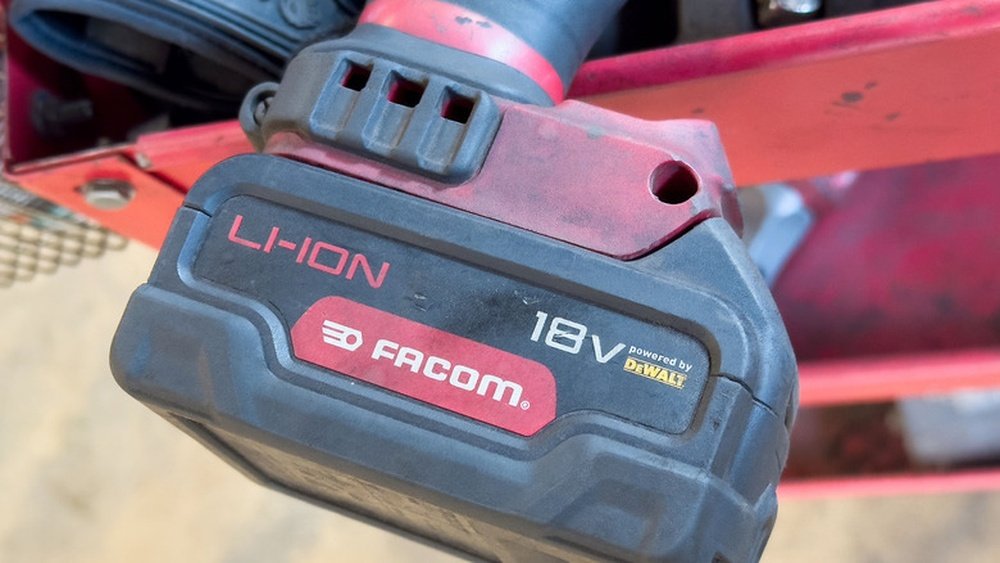
Have you ever picked up your cordless drill only to find it won’t hold a charge like it used to? You’re not alone.
If your drill’s battery dies faster or won’t power up at all, you’re probably wondering: do cordless drill batteries go bad? The answer might surprise you—and knowing what really happens can save you time, money, and frustration. Keep reading to discover the truth about your battery’s lifespan and how to get the most out of your cordless drill.
Battery Lifespan Factors
Understanding what affects a cordless drill battery’s lifespan helps you get the most from your tool. Different factors play a role in how long the battery lasts before it needs replacement. These include the type of battery, how often you use the drill, and how you store the battery. Each factor impacts the battery’s health in different ways.
Types Of Drill Batteries
There are mainly three types of drill batteries: nickel-cadmium (NiCd), nickel-metal hydride (NiMH), and lithium-ion (Li-ion). NiCd batteries hold less charge and have a shorter lifespan. NiMH batteries last longer but are heavier. Li-ion batteries are the most popular today. They last longer and charge faster. The battery type affects how long it stays good.
Usage Impact On Battery Life
How often you use your drill changes the battery life. Frequent use can wear the battery down faster. Using the drill on high power drains the battery more quickly. Letting the battery run completely empty harms it. Charging the battery too often or too little also affects its health.
Storage Conditions
Where and how you store the battery matters. Storing batteries in hot places makes them lose power quicker. Cold temperatures can also damage the battery. Keep batteries in a dry, cool place. Avoid leaving them in the drill if not using it for a long time. Proper storage keeps batteries healthy longer.
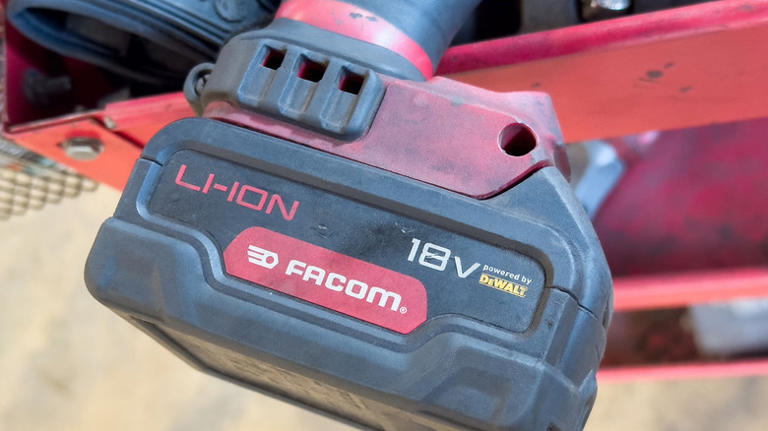
Credit: www.msn.com
Common Signs Of Battery Failure
Battery failure can be frustrating and slow down your work. Knowing the common signs helps you spot problems early. This way, you can decide if the battery needs replacing or fixing. Here are some clear signs that your cordless drill battery may be failing.
Reduced Runtime
The battery runs out of power faster than before. Tasks that once took hours now take less time. This drop in runtime means the battery holds less charge. It is a common sign of aging or damage.
Slow Charging
The battery takes much longer to charge fully. Charging might feel like it never finishes. Slow charging can point to internal battery issues. It may need replacement soon to keep your drill ready.
Overheating Issues
The battery becomes very hot during use or charging. Overheating can harm the battery and your drill. It also shows the battery is struggling to work properly. Stop using it if you notice heat build-up.
Physical Damage
Look for cracks, leaks, or swelling on the battery case. Any visible damage can affect performance and safety. Damaged batteries should be handled carefully and replaced. Avoid using a battery that looks broken or swollen.
Extending Battery Life
Extending the life of your cordless drill battery saves money and keeps your tool ready. Batteries lose power over time. Proper care helps them last longer and work better. Follow simple steps to keep your battery healthy and strong.
Proper Charging Practices
Charge the battery only with the charger made for it. Avoid overcharging by unplugging after full charge. Do not let the battery drain completely before charging. Partial charges are better than deep discharges. Charge in a cool, dry place to prevent damage.
Optimal Storage Tips
Store batteries in a cool, dry spot away from direct sunlight. High temperatures can shorten battery life. Keep batteries about half charged if storing for a long time. Remove the battery from the drill when not using it for weeks. Avoid storing in very cold places, which can also harm the battery.
Regular Maintenance
Clean battery contacts regularly with a dry cloth. Dirt and dust reduce power flow. Check for swelling or leaks and replace damaged batteries. Avoid dropping or hitting the battery. Use the battery often to keep it active and healthy.

Credit: cm-saska-kepa.pl
Battery Replacement Options
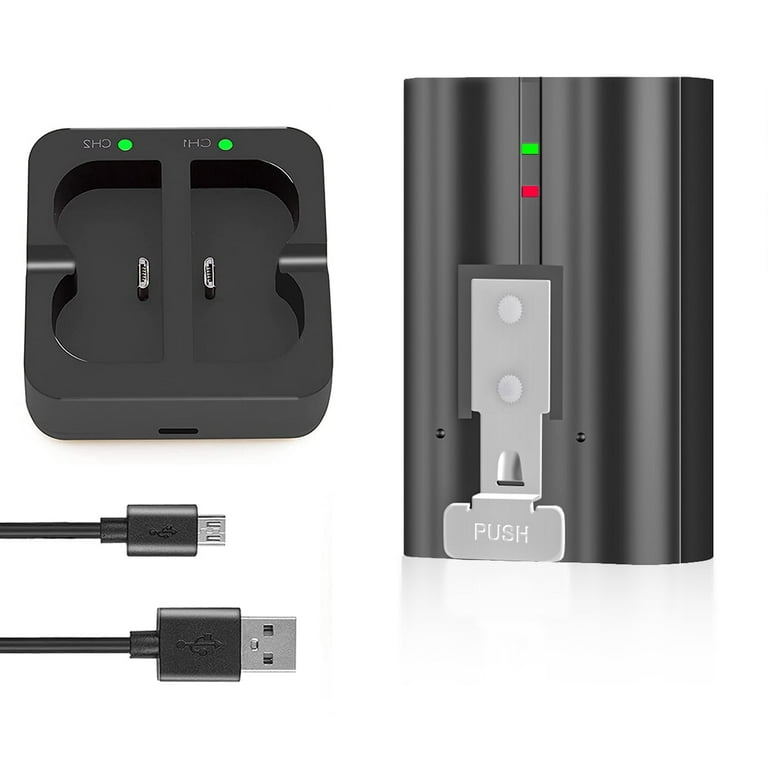
Replacing a cordless drill battery is common as batteries lose power over time. Knowing your options helps you choose the best path. Battery replacement can extend your drill’s life and save money.
Several factors influence your choice, such as battery type, brand, and cost. Proper disposal of old batteries protects the environment. Understanding these details makes the process easier.
Choosing The Right Battery
Select a battery compatible with your drill model. Match the voltage and capacity for best performance. Lithium-ion batteries last longer and charge faster. Avoid mixing battery brands or types in one drill.
Recycling Old Batteries
Old batteries contain harmful chemicals. Do not throw them in regular trash. Use local recycling centers or retailer programs. Recycling helps reduce pollution and conserve resources. Always check battery recycling rules in your area.
Cost Considerations
Battery prices vary by type and brand. Lithium-ion batteries cost more but last longer. Cheaper batteries may need frequent replacement. Balance price with quality to save money over time. Check warranties to protect your purchase.
Credit: cm-saska-kepa.pl
Frequently Asked Questions
Do Cordless Drill Batteries Lose Charge Over Time?
Yes, cordless drill batteries gradually lose charge capacity. Regular use and age reduce their ability to hold a full charge. Proper storage and maintenance can slow this process but cannot prevent eventual decline.
How Long Do Cordless Drill Batteries Typically Last?
Cordless drill batteries usually last 2 to 3 years with regular use. Heavy or improper use can shorten their lifespan. Replacing batteries after this period ensures optimal drill performance.
Can You Revive A Dead Cordless Drill Battery?
Some dead batteries can be revived by deep charging or using a battery reconditioning device. However, severely damaged or old batteries often need replacement for safety and performance reasons.
What Causes Cordless Drill Batteries To Go Bad?
Cordless drill batteries go bad due to age, frequent deep discharges, overheating, and improper storage. These factors degrade battery cells, reducing capacity and efficiency over time.
Conclusion
Cordless drill batteries do lose power over time. They wear out with regular use and age. Proper care helps extend battery life. Avoid leaving batteries fully drained or in extreme heat. Replacing old batteries can restore drill performance. Knowing how batteries work saves time and money.
Keep an eye on your battery’s health. Don’t let a weak battery slow your work. Simple steps keep your drill ready for any job. Batteries don’t last forever, but you can make them last longer.
