



Are you planning to travel with your cordless drill but unsure if you can bring it on a plane? You’re not alone.
Many travelers wonder about carrying tools like cordless drills when flying. Knowing the rules can save you from surprises at the airport and keep your trip smooth. You’ll discover exactly what you need to know to pack your cordless drill safely and follow airline regulations.
Keep reading to avoid common mistakes and make your travel stress-free.
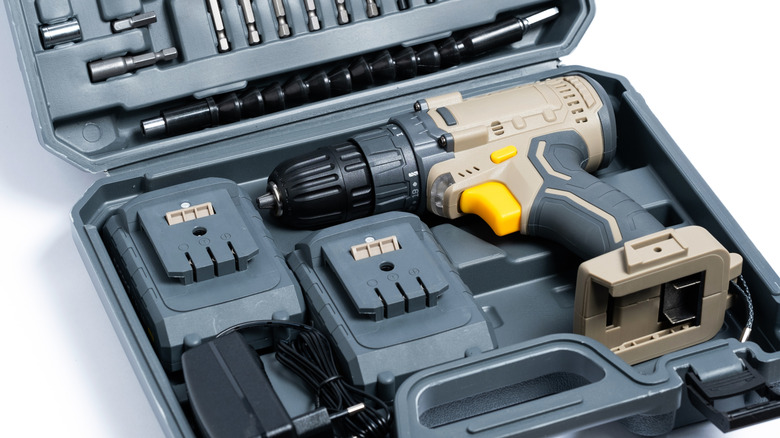
Credit: www.slashgear.com
Carry-on Rules For Cordless Drills
Carrying a cordless drill on a plane requires understanding specific rules. Airlines and security agencies have clear guidelines. These rules help keep all passengers safe. Knowing the rules helps avoid delays at the airport.
Tsa Regulations
The Transportation Security Administration (TSA) allows cordless drills in carry-on bags with conditions. The drill must be free of any sharp bits or blades. TSA officers may inspect your drill during security screening. You should place the drill in an accessible part of your bag.
Battery Restrictions
Most cordless drills use lithium-ion batteries. These batteries have strict limits for air travel. Batteries must be installed in the drill or carried separately in carry-on luggage. Spare batteries are not allowed in checked bags. Each battery should not exceed 100 watt-hours for carry-on.
Size And Weight Limits
Airlines set size and weight limits for carry-on items. Cordless drills must fit within these limits. Check your airline’s specific carry-on size rules before packing. Heavy or oversized tools may need to go in checked baggage. Always measure your drill and battery pack to be sure.
Credit: www.reddit.com
Checked Baggage Guidelines
Checked baggage rules are important when traveling with a cordless drill. Airlines have strict guidelines for carrying tools and batteries in checked luggage. Following these rules helps keep your drill safe and avoids delays at the airport.
Packing The Drill Safely
Place the drill in a sturdy case or box. Use padding like bubble wrap or foam to protect it from damage. Secure loose parts to avoid movement during the flight. Label the package clearly if needed.
Battery Removal And Storage
Remove the battery from the drill before packing. Most airlines require batteries to be carried in the cabin, not checked baggage. Store batteries in a protective cover or plastic bag. This prevents short circuits and potential fire risks.
Airline-specific Policies
Each airline has its own rules for cordless drills and batteries. Check the airline’s website before packing. Some may allow small batteries in checked bags, but many do not. Confirm these policies to avoid surprises at the airport.
Battery Types And Restrictions
Knowing the types of batteries and their rules is key before flying with a cordless drill. Airlines and safety agencies set strict limits. These rules protect passengers and crew from risks like fire. Different batteries have different rules. Follow them to avoid delays or fines at the airport.
Lithium-ion Batteries
Lithium-ion batteries power most cordless drills today. They hold a lot of energy in a small space. But they can catch fire if damaged or short-circuited. Airlines allow lithium-ion batteries only in carry-on bags. The battery capacity must not exceed 100 watt-hours (Wh). For larger batteries, airline approval is needed. Always keep terminals covered to prevent short circuits.
Alkaline And Nimh Batteries
Alkaline and nickel-metal hydride (NiMH) batteries are less risky than lithium-ion. They are allowed in both carry-on and checked bags. Still, airlines prefer you carry them onboard. These batteries do not have strict capacity limits. However, loose batteries should be stored safely. Avoid mixing used and new batteries in your drill or spare sets.
Spare Battery Rules
Spare batteries have separate rules from those in tools. You cannot put spare lithium-ion batteries in checked luggage. They must be in carry-on bags only. Each battery must be individually protected to avoid short circuits. Many airlines limit the number of spare lithium-ion batteries you can carry. Always check your airline’s policy before packing.
Tips For Smooth Security Screening
Carrying a cordless drill on a plane requires careful preparation. Following some simple tips can make security checks easier. This helps avoid delays and keeps your trip stress-free.
Proper Packing Techniques
Place the cordless drill in a sturdy bag or case. Remove batteries and pack them separately in carry-on luggage. Keep the drill and accessories organized to speed up inspection. Avoid mixing tools with other items to prevent confusion.
Declaring Tools At Security
Inform security officers about the cordless drill before screening. This shows you follow rules and helps officers understand your items. Answer questions clearly and provide quick access to the drill if asked. Being honest makes the process smoother.
Handling Security Delays
Expect extra time for tool inspection during busy hours. Stay calm and patient while waiting for security checks. Carry documents like receipts or manuals to prove ownership. This can speed up the process and reduce hassle.
Alternatives To Bringing A Drill
Bringing a cordless drill on a plane can be tricky because of airline rules. Many travelers find it easier to explore other options. These alternatives save time and avoid stress at the airport. They also help you get the job done without carrying your own drill.
Renting Tools At Destination
Many cities have tool rental shops. Renting a drill is often cheap and simple. You get a good quality drill for the time you need. No need to carry heavy tools in your luggage. You just return the drill after your project ends.
Using Corded Drills
Corded drills usually have fewer restrictions than cordless ones. They don’t have batteries that cause security concerns. If your project allows, consider using a corded drill. It can be easier to pack and carry on a plane. Just check power plug compatibility at your destination.
Shipping Tools Ahead
Shipping your drill to your destination is another option. Use a reliable courier service for safe delivery. This method avoids airline limits on batteries and tools. Pack your drill carefully to prevent damage during shipping. It may take time but ensures you have your own tool ready.
Credit: www.ingco.com
Frequently Asked Questions
Can I Carry A Cordless Drill In My Carry-on Luggage?
No, most airlines prohibit cordless drills in carry-on bags due to battery restrictions. Check with your airline for specific rules.
Are Lithium Batteries Allowed With Cordless Drills On Planes?
Lithium batteries are allowed but must meet airline size and quantity limits. Spare batteries require separate screening.
Can I Pack A Cordless Drill In Checked Baggage?
Yes, cordless drills can go in checked bags if batteries are properly protected and terminals taped to prevent short circuits.
Do Airlines Require Special Packaging For Cordless Drills?
Airlines typically require batteries to be installed or carried separately with terminals covered. Always follow airline packing guidelines.
Conclusion
Traveling with a cordless drill takes some planning. Airlines often allow drills, but rules vary. Batteries usually need to be removed and packed separately. Always check your airline’s specific rules before flying. Carry the drill in your checked or carry-on bag as allowed.
Following these steps helps avoid problems at the airport. Stay safe and prepared for your trip. Simple rules make traveling easier with your tools.
