

Have you ever wondered how fast a cordless drill really spins? Understanding this can help you choose the right drill for your projects and get the job done faster and cleaner.
Whether you’re a DIY enthusiast or just starting out, knowing the speed of your cordless drill can make a big difference. You’ll discover exactly how fast these handy tools spin and why that matters for your work. Keep reading to unlock the secrets behind your drill’s power and efficiency.
Cordless Drill Basics
A cordless drill is a handy tool for many jobs. It runs on a battery and does not need a cord. This makes it easy to use anywhere.
Understanding how a cordless drill works helps you use it better. It also helps you know what to expect from its speed and power.
Key Components
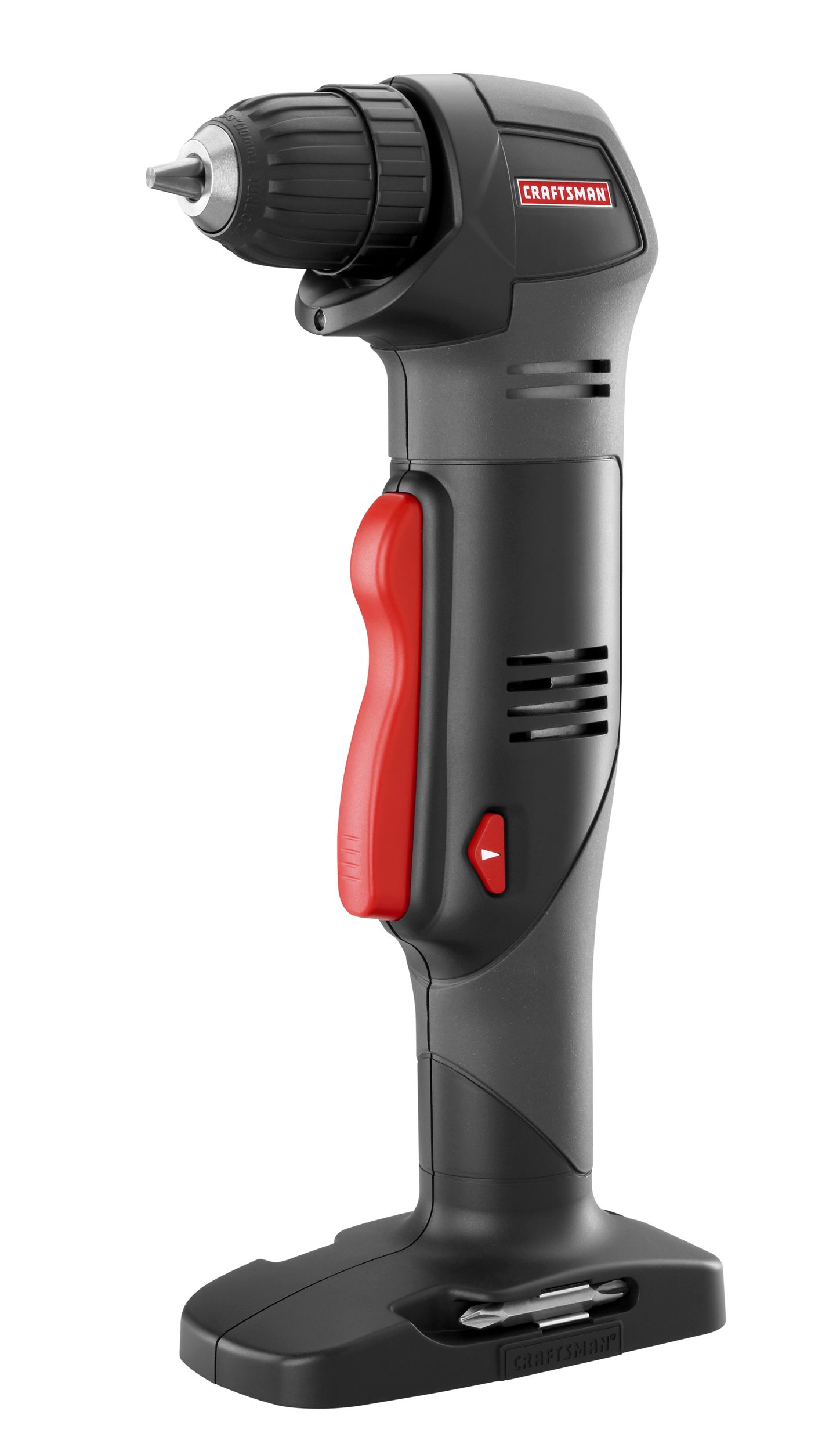
A cordless drill has a few main parts. The motor powers the drill to spin. The battery gives energy to the motor.
The chuck holds the drill bit. The trigger controls the speed. The gearbox changes how fast or strong the drill spins.
How It Works
Pressing the trigger sends power from the battery to the motor. The motor starts to spin. This spinning turns the drill bit.
The gearbox adjusts the speed and force. You can change settings for different jobs. The faster the drill spins, the quicker it drills.
Measuring Drill Speed
Measuring the speed of a cordless drill helps you understand its power and efficiency. Knowing the drill’s speed is important for choosing the right tool for your job. Speed affects how fast and cleanly the drill can make holes or drive screws. Let’s explore how drill speed is measured and what tools you can use.
What Is Rpm
RPM stands for revolutions per minute. It shows how many times the drill’s bit spins in one minute. Higher RPM means the drill spins faster. Different tasks require different RPM speeds. For example, drilling into wood needs a higher RPM than drilling into metal. RPM helps you pick the right speed for your work.
Tools To Measure Speed
A simple way to check drill speed is using a tachometer. This device measures RPM by counting the rotations. Some digital tachometers give quick and accurate readings. You can also find smartphone apps that use the camera to estimate speed. These tools help you see the drill’s real speed during use.
Typical Speed Ranges
The speed of a cordless drill varies depending on the task. Typical speed ranges help you choose the right setting. Drills usually offer multiple speed options. These speeds allow you to control power and precision. Understanding low and high-speed settings is key to using your drill well.
Low-speed Settings
Low-speed settings usually range from 300 to 800 RPM (revolutions per minute). This slower speed gives more control. It is ideal for drilling into hard materials like metal. It also helps when driving large screws. Using low speed reduces the chance of stripping screws or damaging materials.
High-speed Settings
High-speed settings can reach up to 2,000 RPM or more. This speed is perfect for drilling into softer materials like wood. It allows faster drilling and saves time. High speed works well for small drill bits and light tasks. However, it may cause overheating if used too long.

Credit: fanttik.com
Factors Affecting Speed
The speed of a cordless drill depends on several key factors. These factors affect how fast the drill bit spins during use. Understanding them helps in choosing the right drill for your tasks.
Different drills offer varying speeds based on their design and power. Knowing what impacts speed can improve your work quality and efficiency.
Battery Power
The battery is the main source of energy for a cordless drill. Higher battery voltage usually means higher speed. A fully charged battery delivers better performance. Low battery power can slow down the drill’s speed. Battery type, like lithium-ion, holds charge better and supports higher speeds.
Motor Type
Brushless motors spin faster and last longer than brushed motors. They also run cooler and use energy more efficiently. Brushed motors are cheaper but may have lower top speeds. The motor’s quality and design directly affect the drill’s spinning speed and power.
Load Impact
The drill’s speed changes under different loads. When drilling hard materials, speed slows down. The motor works harder and reduces RPM to keep control. Lighter loads allow the drill to reach higher speeds. Proper speed control helps avoid damage to the drill and material.
Speed Vs Torque
Speed and torque are two key features of a cordless drill. Speed means how fast the drill bit spins. Torque means how much twisting force the drill can apply. Both affect how well the drill works for different jobs. Understanding their difference helps you use the drill better.
Balancing Power And Speed
Power depends on both speed and torque. High speed helps drill holes quickly in soft materials. High torque helps drive screws or drill into hard materials. Most cordless drills offer adjustable speed and torque settings. This balance lets you control the drill for each task. Too much speed with low torque can strip screws. Too much torque with low speed can slow the job.
When To Use Each
Use high speed for drilling into wood or plastic. Use low speed and high torque for metal or tough surfaces. High torque is best for driving screws deeply without damage. Low torque works well for light jobs like small screws or soft materials. Knowing when to switch settings makes your work easier and faster.
Maximizing Drill Speed
Maximizing the speed of a cordless drill helps improve work efficiency. A faster spinning drill bit makes tasks quicker and easier. Proper care and selecting the right drill are key to getting the best speed.
Maintenance Tips
Keep the drill clean and dry. Dust and dirt reduce speed and power. Check the battery health often. A weak battery slows down the drill. Lubricate moving parts as needed. This reduces friction and helps the drill spin faster. Tighten loose parts to avoid energy loss.
Choosing The Right Drill
Select a drill with variable speed settings for better control. Higher voltage drills usually spin faster. Look for brushless motors; they run smoother and last longer. Match the drill size to your task. Smaller drills may spin fast but lack power. Larger drills offer more torque and steady speed.
Safety And Speed
Speed is important when using a cordless drill. But safety must come first. High speed can cause accidents and damage the tool. Understanding how to control speed protects both the user and the drill.
Avoiding Overheating
Running a cordless drill too fast for a long time causes heat. Overheating can damage the motor and battery. Stop work if the drill feels hot. Let it cool before using again. Use the right speed for the material. This helps the drill last longer.
Proper Handling Techniques
Hold the drill firmly with both hands. Keep your body balanced. Avoid loose clothing near the drill. Use steady pressure. Do not push too hard. Let the drill do the work. Always wear safety goggles. Protect your eyes from dust and debris. Proper handling reduces risks and improves control.
Credit: coolcoalition.org

Credit: www.amazon.com
Frequently Asked Questions
How Fast Can A Cordless Drill Spin?
Cordless drills typically spin between 400 and 2,000 RPM. Speed varies by model and settings. Higher speeds are for drilling, lower for driving screws.
Does Drill Speed Affect Drilling Quality?
Yes, speed impacts drilling quality. High speeds suit soft materials. Low speeds prevent overheating in hard materials, ensuring cleaner holes.
What Factors Influence Cordless Drill Speed?
Battery power, motor type, and gear settings influence speed. Brushless motors offer higher, consistent speeds. Variable speed triggers allow precise control.
Can Drill Speed Be Adjusted?
Most cordless drills have adjustable speed settings. Variable speed triggers let you control spin rate smoothly. Some models feature multiple gear options for speed control.
Conclusion
Cordless drills spin at different speeds depending on the model. Most drills have two speed settings: low for power and high for speed. Speed affects how well the drill works on different materials. Knowing the drill’s speed helps you choose the right tool for your task.
Always check the drill’s specifications before buying. This way, you get the best drill for your needs. Understanding speed makes your work easier and faster. Keep these points in mind to use your cordless drill effectively.
