


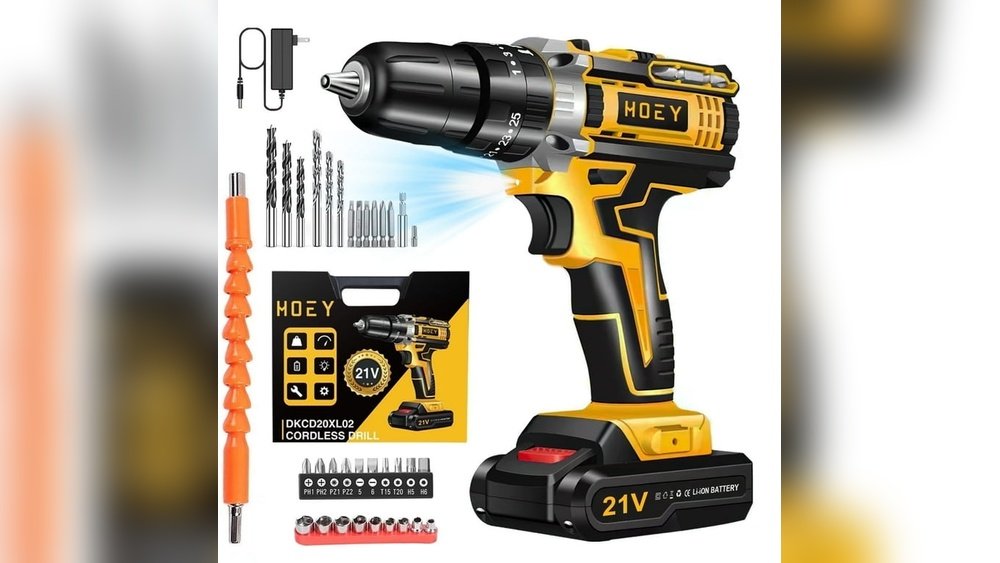
Have you ever wondered what makes your cordless drill spin faster or slower with just a press of a trigger? Understanding how a variable speed cordless drill works can change the way you use it, making your projects easier and more precise.
You’ll discover the simple yet clever technology inside your drill that gives you complete control over speed and power. Keep reading, and you’ll learn how to get the most out of your tool every time you pick it up.

Credit: www.amazon.com
Basic Components
The basic components of a variable speed cordless drill work together to make drilling easy and efficient. Each part plays a key role in how the drill functions. Understanding these parts helps you use the tool better and maintain it properly.
Motor And Battery
The motor powers the drill. It turns electrical energy into mechanical force. The battery supplies power to the motor. It stores energy and allows the drill to be cordless. A strong battery means longer work time. The motor and battery must match well for good performance.
Chuck And Drill Bits
The chuck holds the drill bit tightly. It can open and close to fit different bit sizes. Drill bits are the parts that cut into materials. They come in many shapes and sizes for different jobs. The chuck must grip the bit firmly to prevent slipping during use.
Trigger And Speed Control
The trigger starts and stops the drill. Pressing it makes the motor run. The harder you press, the faster the drill spins. Speed control lets you adjust how fast the drill bit turns. This helps with drilling into different materials without damage.
How Variable Speed Works
Variable speed cordless drills offer better control and precision. They adjust speed based on task needs. This flexibility helps in drilling different materials safely and efficiently. Understanding how variable speed works can improve your use of these drills.
Trigger Pressure Mechanism
The drill speed changes with trigger pressure. Pressing the trigger lightly starts a slow rotation. Pressing harder increases the speed smoothly. This lets users control the drill without changing settings.
The trigger has a sensor that detects pressure. It sends signals to the motor to adjust speed. This simple design makes the drill easy to use for beginners.
Electronic Speed Regulation
Inside the drill, electronic parts control the motor speed. The sensor sends data to a small circuit. The circuit changes power to the motor based on trigger input.
This system keeps the drill running steadily at the chosen speed. It prevents sudden speed jumps that can damage materials or tools. Electronic regulation also saves battery life during use.
Role Of Gearbox
The gearbox changes the drill’s torque and speed. It uses different gears to adjust how fast the chuck spins. Lower gears give more torque but slower speed. Higher gears increase speed with less torque.
Users select gears to match the work type. The gearbox works with variable speed to offer perfect control. This helps in drilling holes or driving screws with ease.
Benefits Of Variable Speed
Variable speed cordless drills offer many benefits that improve your work. They give you better control over drilling tasks. This makes your work cleaner and more accurate. The ability to change speeds fits many different jobs and materials. Also, it helps save battery power, so your drill lasts longer.
Precision And Control
Variable speed lets you start drilling slowly. This prevents slipping and damage to the surface. You can increase speed as the drill bit grips better. This control helps avoid mistakes and keeps holes neat. It is especially useful for delicate or detailed work.
Versatility For Different Materials
Different materials need different drill speeds. Wood, metal, and plastic all require unique settings. Variable speed lets you adjust for each material easily. This reduces the chance of breaking drill bits or damaging surfaces. One drill can handle many projects well.
Battery Efficiency
Using lower speeds saves battery power. The drill only uses the energy needed for the task. This means longer run time between charges. It also helps your battery last longer over time. Variable speed drills are more energy smart and cost-effective.
Types Of Variable Speed Drills
Variable speed drills come in different types. Each type suits different tasks and users. Understanding these types helps you choose the right drill.
Two important distinctions are motor type and power source. These affect drill performance, battery life, and price.
Brushed Vs Brushless Motors
Brushed motors are common in many drills. They use carbon brushes to transfer electricity. These brushes wear out over time and need replacement.
Brushless motors do not use brushes. They are more efficient and last longer. These motors produce less heat and save battery power.
Brushless drills cost more but offer better performance. They are lighter and run quieter. Brushed drills are cheaper and easier to repair.
Cordless Vs Corded Models
Cordless drills run on batteries. They offer freedom to move anywhere. Battery life limits how long you can work.
Corded drills plug into an outlet. They provide continuous power without stopping. The cord limits mobility and can get in the way.
Cordless models suit outdoor work and tight spaces. Corded drills fit jobs needing constant power. Each type has its own benefits and drawbacks.
Common Features And Accessories
Variable speed cordless drills come with several common features and accessories. These help users control the tool better and make work easier. Understanding these features helps you use the drill safely and effectively. Below are some key features found on most models.
Torque Settings
Torque settings control how much power the drill uses. You can adjust torque to match the job. Lower torque is good for driving screws without damaging material. Higher torque helps with drilling into hard surfaces. This feature prevents over-tightening and protects your workpiece.
Led Lights
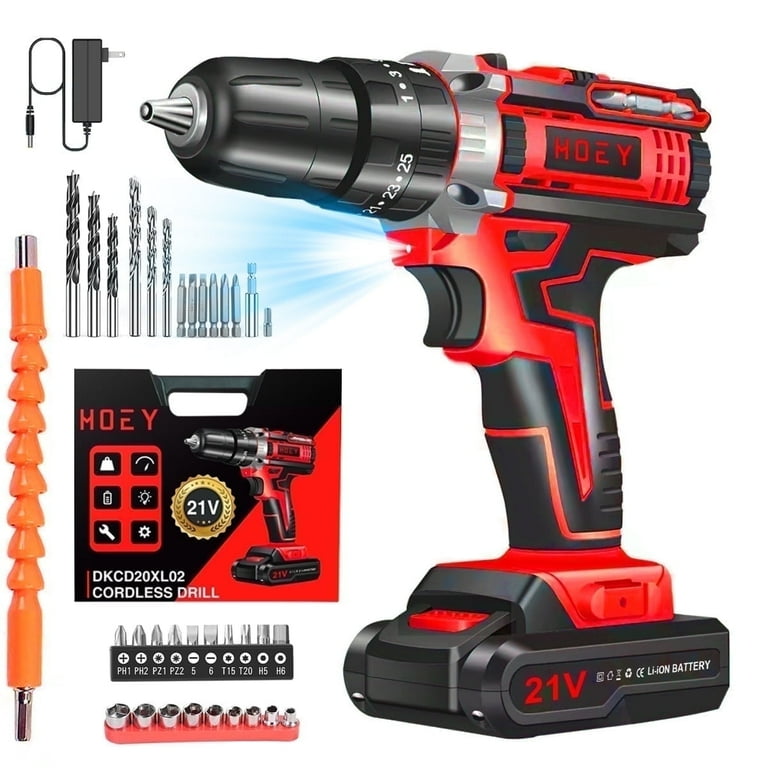
LED lights shine on your work area while drilling. They improve visibility in dark or tight spaces. This feature helps you see where the drill bit goes. It reduces mistakes and increases accuracy. Many cordless drills have built-in LED lights near the chuck.
Battery Indicators
Battery indicators show how much power is left in the drill. This feature helps you know when to recharge. It prevents the drill from stopping suddenly during work. Some indicators use lights or digital displays. Keeping an eye on battery levels ensures smooth job progress.
Credit: www.walmart.com
Maintenance Tips
Keeping your variable speed cordless drill in good shape helps it last longer and work better. Regular care prevents problems and saves money on repairs. Follow these simple maintenance tips to keep your drill running smoothly.
Battery Care
Charge the battery fully before using the drill. Avoid letting the battery drain completely. Store batteries in a cool, dry place to keep them healthy. Remove the battery if you won’t use the drill for a long time. Use the charger that comes with your drill to avoid damage.
Cleaning And Storage
Wipe the drill with a dry cloth after each use. Keep the vents clear of dust and debris to stop overheating. Store the drill in its case or a dry area. Avoid leaving it in places with high heat or moisture. Clean the chuck regularly to keep it gripping bits well.
Troubleshooting Common Issues
If the drill won’t start, check the battery charge and connection. A slow or weak drill may need a clean or a new battery. If the drill stops suddenly, check for overheating and let it cool down. Listen for strange noises that may signal worn parts. Replace damaged bits to protect the drill’s motor.

Credit: bovecchi.com
Frequently Asked Questions
What Is A Variable Speed Cordless Drill?
A variable speed cordless drill adjusts its speed based on trigger pressure. It offers better control for different tasks. This feature helps in precise drilling and prevents damage to materials. Battery power makes it portable and convenient for various jobs.
How Does The Speed Control Work In Cordless Drills?
Speed control works through a pressure-sensitive trigger. Pressing lightly results in slower rotation; pressing fully increases speed. This lets users match drill speed to the material and task. It improves accuracy and reduces wear on drill bits.
Why Use A Variable Speed Drill Over A Fixed Speed One?
Variable speed drills provide versatility for multiple applications. They allow controlled drilling in delicate materials and faster drilling in tougher ones. This flexibility saves time and enhances precision. Fixed speed drills lack this adaptability, making variable speed models more practical.
How Does Battery Power Affect Drill Speed?
Battery voltage and charge impact drill speed and torque. Higher voltage batteries typically provide more power and longer run time. A fully charged battery ensures consistent speed performance. Low battery levels may reduce speed and drilling efficiency.
Conclusion
A variable speed cordless drill offers control and ease for many tasks. It changes speed based on how hard you press the trigger. This helps avoid damage to materials and makes work smoother. The cordless design adds freedom to move anywhere without cords.
Understanding how it works lets you use it safely and well. This tool fits both beginners and experienced users. Try adjusting the speed to see the difference yourself. Simple, smart, and handy—this drill supports many projects with ease.
