

Are you wondering if a 19-volt cordless drill has enough power for your DIY projects? Knowing how much torque your drill delivers can make a huge difference in choosing the right tool.
Torque affects how easily your drill can handle tough materials and heavy tasks. You’ll discover exactly what torque means for your 19-volt cordless drill and how it impacts your work. Keep reading to find out if this drill is strong enough to meet your needs and get the job done right every time.
Credit: www.finewoodworking.com
Torque Basics
Understanding torque is key to choosing the right cordless drill. Torque shows how much twisting force the drill can apply. It affects how well the drill performs tasks like driving screws or drilling holes. Knowing the basics of torque helps you pick a drill that fits your needs.
What Is Torque?
Torque is the force that causes rotation. In drills, it measures how hard the drill can turn a screw or bit. Torque is usually measured in inch-pounds or Newton-meters. Higher torque means the drill can handle tougher jobs without stopping.
Why Torque Matters In Drills
Torque determines how strong the drill is. A drill with low torque might stop or slow down on hard materials. High torque drills work better on wood, metal, and thick screws. Torque also affects battery life. Using the right torque saves power and finishes jobs faster.
19 Volt Cordless Drill Specs
The specs of a 19 volt cordless drill tell a lot about its performance. These drills balance power and portability well. Knowing these details helps you choose the right tool. Torque, battery, and motor type are key features to check.
Each of these factors affects how the drill handles tough jobs. They also impact how long the drill runs and how much force it delivers.
Power And Battery Details
A 19 volt battery provides strong power for most household and job site tasks. It is powerful enough for drilling into wood, metal, and plastic. Battery capacity, measured in amp-hours (Ah), shows how long the drill lasts. Higher Ah means longer runtime.
These drills usually come with lithium-ion batteries. Lithium-ion batteries are light and hold charge well. They also recharge faster than older battery types. A 19 volt lithium-ion battery supports steady power output for better performance.
Motor Types And Impact On Torque
Two main motor types exist: brushed and brushless. Brushed motors are common and cost less. They deliver decent torque but wear out faster. Brushless motors are newer and more efficient. They offer higher torque and longer motor life.
Torque is the turning force the drill provides. Brushless motors usually generate more torque at the same voltage. This means better performance on tough materials. The motor type directly influences how much torque the drill can produce.
Torque Range For 19v Drills
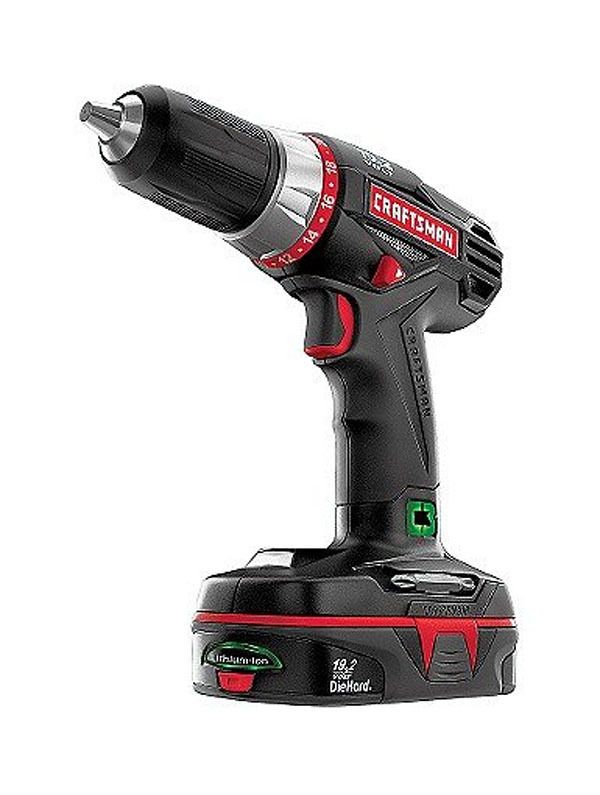
The torque range for 19V cordless drills varies based on design and brand. Torque measures the twisting force a drill applies to screws or bolts. It affects how well the drill can drive fasteners into tough materials. Understanding this range helps select the right drill for tasks like woodworking or metalwork.
Typical Torque Values
Most 19V cordless drills deliver torque between 300 and 600 inch-pounds. Entry-level models tend to offer closer to 300 inch-pounds. Mid-range and professional models often reach 500 to 600 inch-pounds. Higher torque lets the drill handle thicker materials and larger screws. Users can expect enough power for general home projects and light construction.
Factors Influencing Torque Output
Torque depends on motor size, battery quality, and gear design. Brushless motors usually provide higher torque and better efficiency. The battery’s condition and voltage stability affect power delivery. Gear settings also play a role; some drills have multiple speed and torque modes. User technique and drill bit type influence effective torque during use.

Credit: www.amazon.com
Comparing Torque Across Drill Models
Torque is a key factor in cordless drills. It shows the drill’s twisting power. Different 19 volt cordless drills have different torque levels. Knowing these differences helps choose the right drill for a task. Comparing torque helps find the best balance of power and control.
Top Brands And Their Torque Ratings
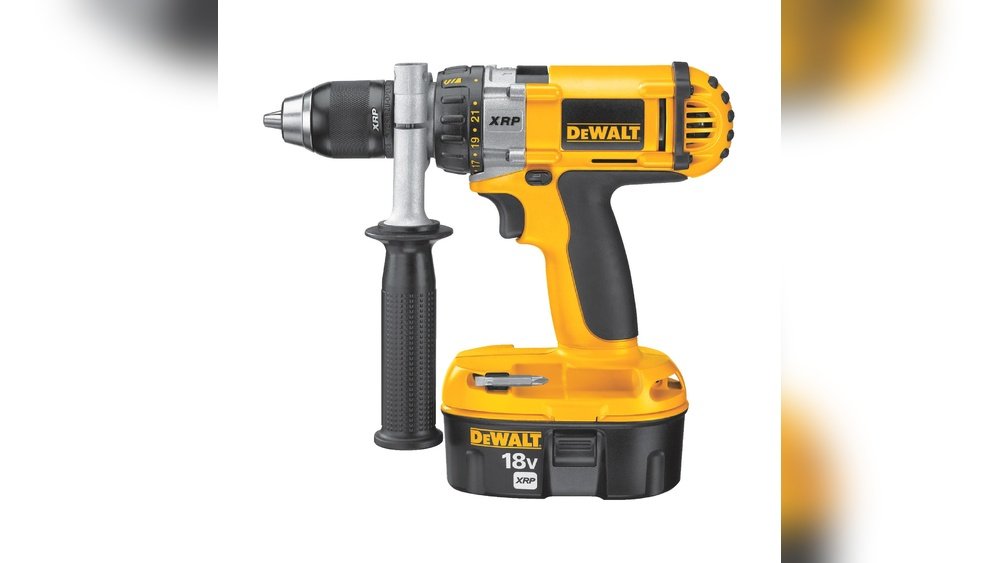
Some brands stand out for their torque strength. DeWalt 19V drills often reach 300 to 400 inch-pounds of torque. Makita models usually offer 250 to 350 inch-pounds. Bosch drills provide torque in the range of 200 to 350 inch-pounds. These numbers vary by model and settings. Each brand designs drills for different user needs.
How Torque Affects Drill Performance
Higher torque means stronger twisting force. It helps drive screws into tough materials easily. Low torque suits light tasks like assembling furniture. High torque is best for drilling into wood or metal. Too much torque can strip screws or damage materials. Adjustable torque settings help control the power. This avoids mistakes and improves work quality.
Maximizing Torque Efficiency
Maximizing torque efficiency in a 19-volt cordless drill helps you get the best performance. It ensures the drill works smoothly and powerfully. Proper use and care improve the drill’s torque output and battery life.
Using The Right Drill Bits
Choosing the right drill bit is key for torque efficiency. Sharp and well-matched bits reduce strain on the motor. Use bits designed for the material you are drilling. This avoids slipping and saves battery power. Replace worn or damaged bits quickly. They lower torque and can damage the drill.
Maintenance Tips For Consistent Torque
Regular maintenance keeps torque steady over time. Clean dust and debris from vents and chuck often. Check the battery charge and avoid complete discharge. Lubricate moving parts lightly to reduce friction. Tighten loose screws to keep parts aligned. Follow manufacturer instructions for care and service. These steps help the drill deliver strong torque every time.
Applications Suited For 19v Drill Torque
The torque of a 19-volt cordless drill fits many tasks well. It offers enough power for light to medium jobs. This voltage level balances strength and portability. Knowing where this drill performs best helps you choose the right tool.
Common Diy Projects
Home repairs like assembling furniture suit a 19V drill. It handles screws and small bolts easily. Hanging shelves or fixing cabinets works smoothly. This drill also fits well for drilling into wood or plastic. It is light and easy to control. Beginners find it perfect for learning drill use. Small garden projects, like building plant boxes, also match its torque.
Professional Use Cases
For electricians and carpenters, a 19V drill works for many tasks. It fits well for installing electrical boxes or panels. The torque can manage drywall screws and light framing. Maintenance workers use it for fixing appliances or equipment. Its size allows quick, repetitive use without heavy fatigue. It is not for heavy concrete drilling but good for metal sheets or light masonry. Professionals value its balance of power and weight.

Credit: hychika.com
Frequently Asked Questions
What Is The Average Torque Of A 19 Volt Cordless Drill?
A 19 volt cordless drill typically offers torque between 300 to 500 inch-pounds. This range suits most household and light professional tasks. Higher torque improves drilling and driving power for tougher materials. Always check the drill’s specifications for exact torque values.
How Does Voltage Affect Cordless Drill Torque?
Higher voltage usually means more torque and longer battery life. A 19 volt drill provides stronger power than lower voltage models. This allows it to handle tougher jobs efficiently. Voltage directly influences the drill’s performance and torque output.
Can A 19 Volt Drill Handle Heavy-duty Tasks?
Yes, a 19 volt cordless drill can handle many heavy-duty tasks. It delivers sufficient torque for drilling into wood, metal, and masonry. However, extremely tough materials might require higher voltage or corded drills. Use the right drill bits for best results.
What Factors Influence Torque In A 19 Volt Drill?
Torque depends on motor strength, gear design, and battery condition. A well-maintained 19 volt battery ensures consistent torque output. Gear settings also allow adjusting torque for different jobs. Proper maintenance maximizes the drill’s torque performance.
Conclusion
A 19 volt cordless drill offers enough torque for many home projects. It handles screws and small holes with ease. Knowing its torque helps you pick the right drill. This tool suits light to medium tasks well. Choose based on your needs and project size.
Remember, torque is just one part of performance. Battery life and drill speed also matter. A good drill makes work faster and easier. Keep these points in mind when shopping. You will find the best drill for your job.
