


Are you wondering if you can use an 18V battery in your 20V cordless drill? It’s a common question that can save you money and hassle—or cause unexpected problems if you get it wrong.
Whether you’re trying to make the most of your existing batteries or just curious about compatibility, this article will clear up the confusion. Keep reading to find out what really happens when you mix these batteries and drills, and how to make sure your tools work safely and efficiently every time.
Credit: powertoolsadapters.com
Battery Voltage Basics
Understanding battery voltage is key for using cordless drills safely and effectively. Voltage affects the drill’s power and how long it runs. Knowing the basics helps you choose the right battery for your tool.
Voltage shows the energy level the battery delivers. It impacts how strong and fast the drill works. Using the correct voltage ensures the tool operates well without damage.
What Voltage Means For Power Tools
Voltage measures the electrical force that powers the drill. Higher voltage usually means more power and speed. It helps the drill handle tough jobs like drilling into hard wood or metal.
Too low voltage can cause the drill to run weak or stop working. Too high voltage may harm the tool’s motor or battery. The right voltage keeps the drill safe and efficient.
Differences Between 18v And 20v Batteries
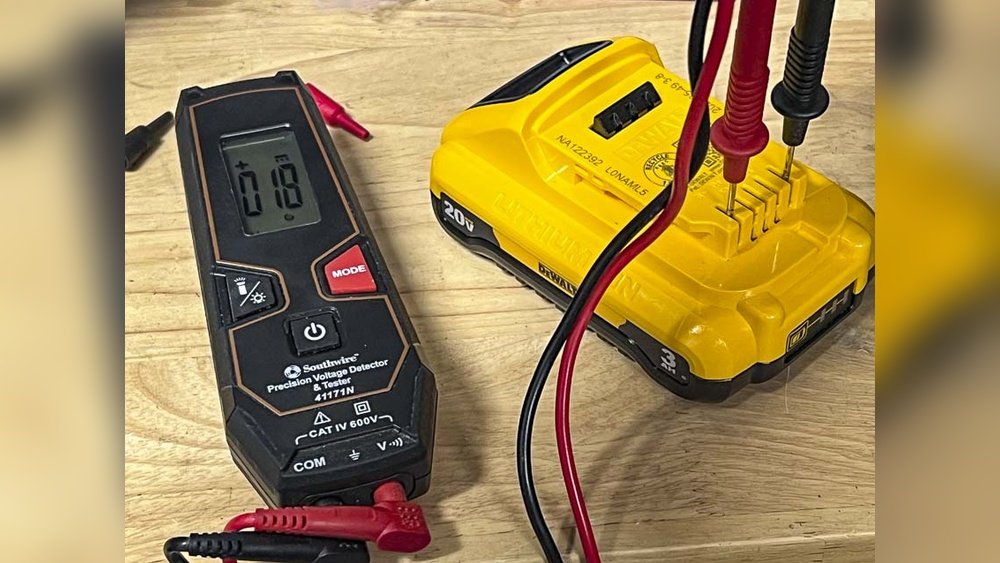
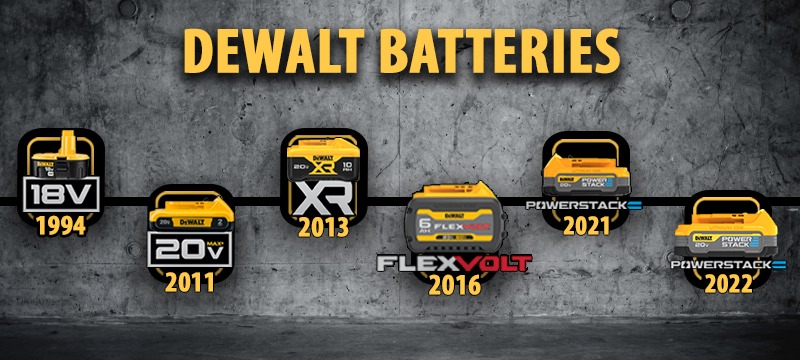
18V and 20V batteries look similar but have small differences. The 20V label often means the battery is measured at peak voltage. The 18V battery shows nominal or average voltage.
Both batteries often provide similar real-world power. Some 20V batteries are actually 18V batteries with a different label. Check the battery’s specifications before using it with your drill.

Credit: toolguyd.com
Compatibility Factors
Understanding compatibility factors is key before using 18V batteries in a 20V cordless drill. Not all batteries fit or work well with all drills. Differences in design and connection types affect performance and safety. Knowing these details helps avoid damage and ensures smooth operation.
Battery And Drill Design Considerations
Battery voltage is a main factor in compatibility. An 18V battery may power a 20V drill but may not deliver full strength. The drill might run slower or lose power faster. Some brands design batteries and drills to work only within their system. Mixing brands can cause issues or stop the drill from working.
Battery capacity also matters. Higher capacity means longer run time. Using a lower capacity 18V battery in a 20V drill can reduce working time. The drill’s electronics may not recognize the battery correctly. This can trigger error codes or stop the tool.
Physical Fit And Connector Types
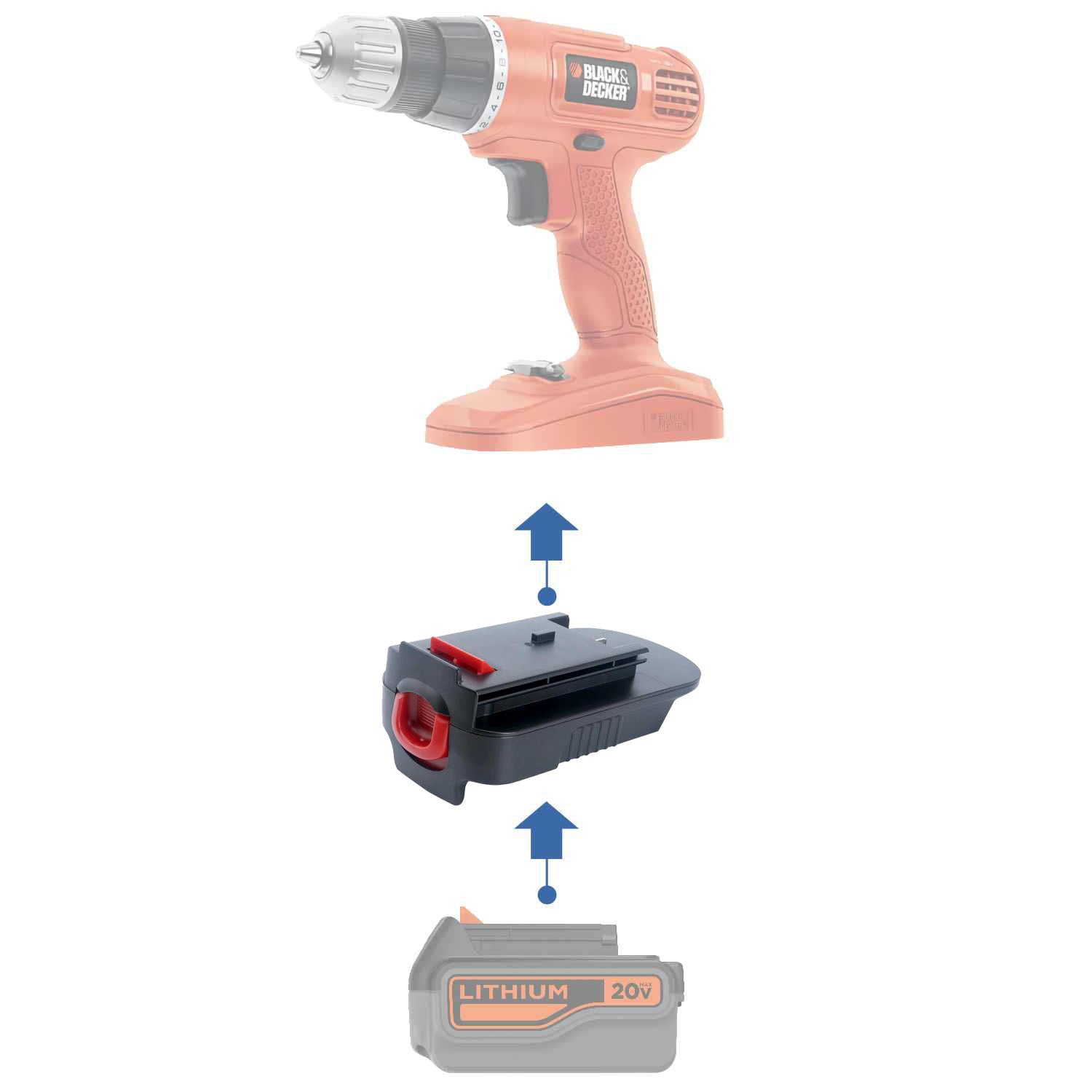
Physical size and shape affect whether an 18V battery fits a 20V drill. Even if voltage is close, different shapes prevent proper connection. Connector types vary between brands and models. Some use slide-on packs, others use clip-in or button locks.
Using the wrong connector can damage the battery or drill. It can also cause poor contact, leading to power loss. Always check if the battery slides or clicks into place smoothly. A firm, secure fit is necessary for safe use.
Performance Implications
Using an 18V battery in a 20V cordless drill affects how the tool performs. The voltage difference changes the power and runtime of the drill. It is important to understand these changes before deciding to use a lower voltage battery.
Impact On Drill Power And Runtime
An 18V battery delivers less power than a 20V battery. This means the drill may run slower and struggle with tough tasks. The drill motor gets less energy, reducing its efficiency. The runtime also shortens because the battery drains faster under load.
Drill speed and torque might drop noticeably. Tasks like drilling into hard wood or metal take more time. Users may feel the drill is weaker and less responsive. The performance difference depends on the battery’s quality and age too.
Risks Of Using Lower Voltage Batteries
Using an 18V battery in a 20V drill can cause overheating. The drill may strain as it tries to run with lower power. This can damage the motor or battery over time. The drill’s electronics may not work properly either.
Battery connectors might not fit well, causing poor contact. This can lead to sparks or short circuits. The tool’s warranty might also become void. Safety risks increase if the battery is not designed for the drill model.
Safety Concerns
Using an 18V battery in a 20V cordless drill raises safety concerns. The battery and tool may not work well together. This can cause problems that affect your safety and the tool’s life. Understanding these risks helps you avoid damage and injury.
Potential Damage To Tools And Batteries
An 18V battery may not supply enough power to a 20V drill. This can cause the drill to work harder and overheat. Overheating can damage the motor and internal parts. The battery may also overheat or fail due to mismatch.
Using the wrong battery can shorten the tool’s and battery’s lifespan. It can also cause sudden stops or loss of power. This creates a risk of accidents while working.
Manufacturer Warnings And Recommendations
Most manufacturers advise using only batteries designed for your drill. They warn against mixing different voltages or brands. Ignoring these warnings can void your warranty. It may also prevent the tool from working properly.
Always check the user manual for battery compatibility. Using the right battery ensures safe and efficient operation. It protects both you and your equipment from harm.
Alternatives And Workarounds
Using an 18V battery in a 20V cordless drill is not always straightforward. The tools and batteries have different designs and power levels. Still, some alternatives and workarounds can help you use your batteries across different drills. These methods can save money and reduce waste. Knowing your options makes your tool use more flexible.
Adapters And Battery Converters
Adapters can help fit an 18V battery into a 20V drill slot. These devices change the shape and connection points. They allow physical compatibility between different battery types. Some adapters also adjust voltage output for better performance.
Battery converters work by regulating power flow from the battery to the drill. They protect your tool from receiving too low or too high voltage. This keeps the drill safe and working well. Not all adapters and converters are reliable, so choose carefully.
Choosing The Right Battery For Your Drill
Always check the battery voltage rating before use. A battery with lower voltage may power the drill weakly. Higher voltage batteries can damage the tool or cause safety issues. Match your drill with batteries made for it.
Original batteries from the drill’s brand usually fit best. Third-party batteries can work but check reviews and compatibility. Using the right battery ensures the drill lasts longer and works safely.
Credit: blog.acmetools.com
Expert Tips
Using 18V batteries in a 20V cordless drill can be tricky. Experts share useful tips to get the best results. These tips help keep your battery healthy and your drill working well. Follow these simple steps to avoid damage and improve performance.
Maximizing Battery Life
Keep your batteries cool and dry. Heat and moisture reduce battery life fast. Charge the battery fully before first use. Avoid letting the battery drain completely. Store batteries in a safe place when not in use. Use the right charger for your battery type. Remove batteries from the drill if you won’t use it for days.
Ensuring Optimal Drill Performance
Match battery voltage as close as possible. Using an 18V battery in a 20V drill may lower power. Check battery contacts for dirt or damage. Clean contacts gently with a dry cloth. Use batteries with enough charge to prevent power drops. Test the drill before heavy tasks. Replace batteries showing signs of wear or damage.
Frequently Asked Questions
Can 18v Batteries Work In A 20v Cordless Drill?
18V batteries can sometimes fit 20V drills, but performance may drop. Voltage differences affect power output and tool efficiency.
What Are Risks Of Using 18v Batteries In 20v Drills?
Using 18V batteries in 20V drills can cause reduced power and faster battery drain. It may also void warranties or damage tools.
Will My 20v Drill Charge 18v Batteries Properly?
Most 20V chargers do not support 18V batteries. Charging mismatched batteries can lead to poor battery life or safety hazards.
How To Identify Compatible Batteries For 20v Cordless Drills?
Check the drill’s manual or manufacturer website for recommended battery specs. Compatibility ensures optimal performance and safety during use.
Conclusion
Using an 18V battery in a 20V cordless drill is not always ideal. The drill may not work at full power or could stop suddenly. Battery shape and size also matter for proper fit. Always check the drill and battery brand compatibility.
Safety comes first—avoid forcing batteries into tools. Choosing the right battery keeps your drill running smoothly and safely. Think about performance and tool life before mixing batteries. Simple steps help you get the best from your cordless drill.
