

Have you ever wondered why your cordless drill suddenly stops turning when you’re driving a screw? That’s the clutch at work, quietly protecting your tools and your project.
Understanding how a cordless drill clutch works can save you time, prevent damage, and make your DIY tasks much smoother. You’ll discover the simple yet clever mechanism behind the clutch and learn how to use it like a pro. Keep reading—you’re about to unlock the full potential of your cordless drill.
Cordless Drill Clutch Basics
A cordless drill clutch controls how much power reaches the drill bit. It helps protect both the tool and the material. The clutch stops the drill from turning too hard. This feature is very useful for delicate tasks.
Understanding the basic parts and purpose of the clutch helps users work safely. It also improves drilling results. The clutch lets you control the drill with precision.
Purpose Of The Clutch
The clutch limits the drill’s torque, or turning force. It stops the drill bit from spinning too fast or too hard. This prevents damage to screws and materials. It also protects the drill’s motor from strain.
By adjusting the clutch, you control how deep screws go. This is important in woodworking and metalwork. The clutch makes drilling safer and more accurate.
Key Components
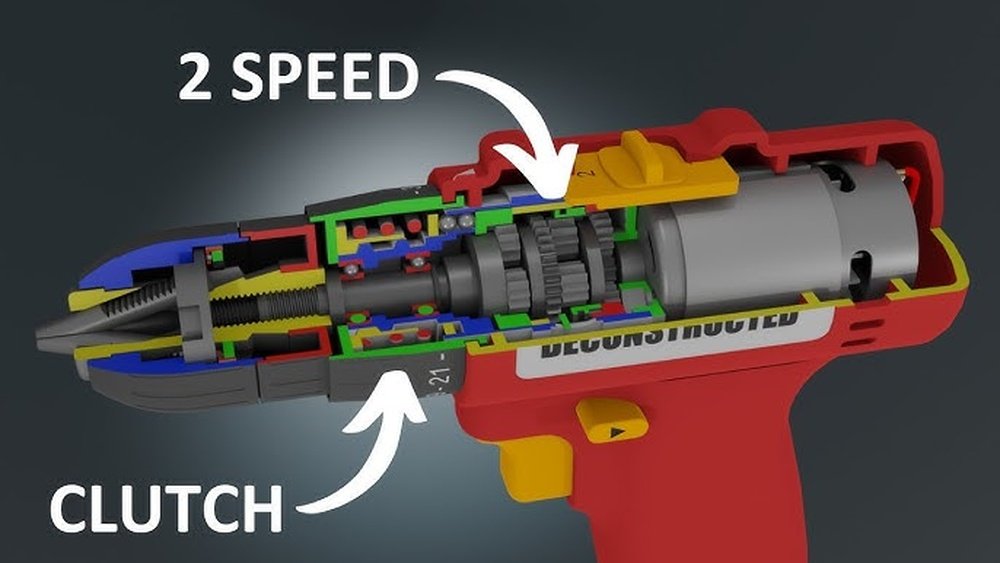
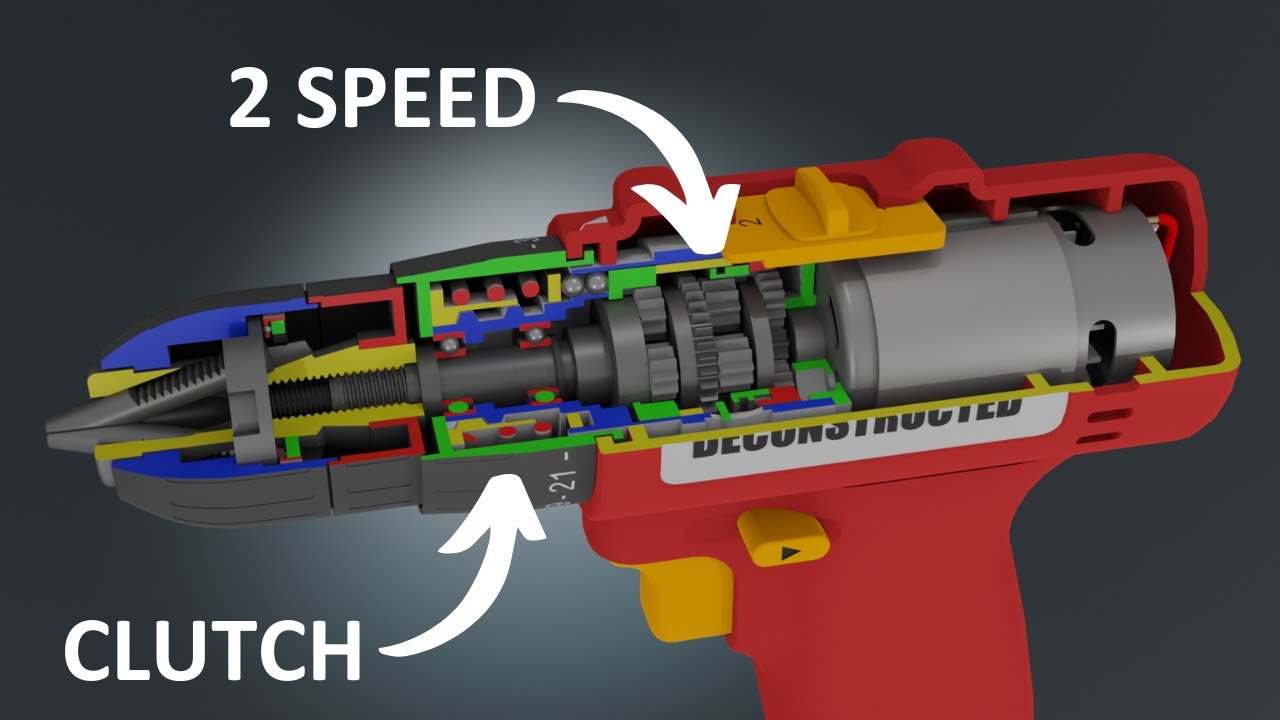
The clutch has several main parts. First, there are clutch plates that grip and release power. These plates slide to control torque levels. Springs push the plates together.
The drill’s collar adjusts how tightly the plates press. Turning the collar changes the torque setting. This changes how much force is needed to turn the drill bit.
Inside, a mechanism transfers the motor’s power to the drill bit. The clutch controls this transfer smoothly to avoid damage.

Credit: www.thisoldhouse.com
How The Clutch Controls Torque
The clutch in a cordless drill controls torque by managing how much force the drill applies. It stops the drill from turning once the set torque limit is reached. This keeps screws from being driven too deep or breaking. The clutch acts like a safety guard for your work and drill.
Adjusting Torque Settings
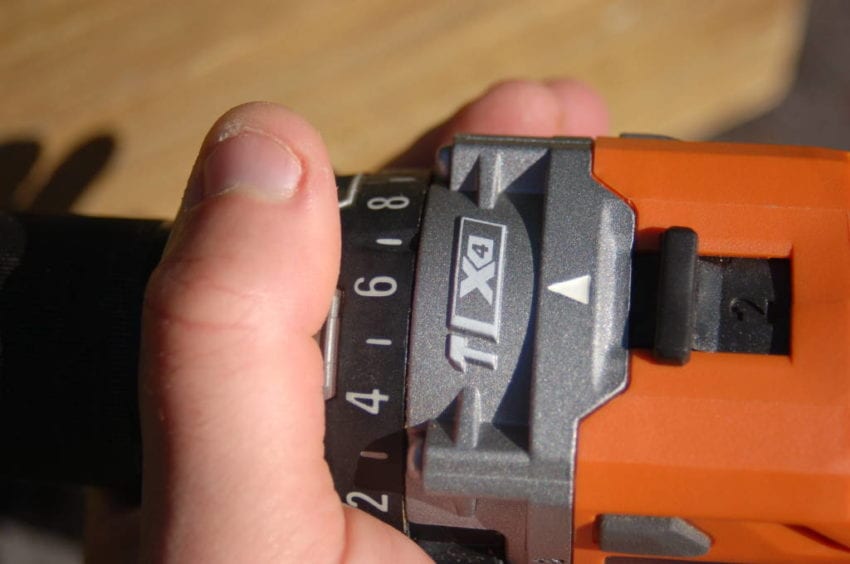
The clutch has several torque settings you can choose. You turn a ring on the drill to pick the right setting. Lower settings apply less force, good for delicate tasks. Higher settings give more power for tougher jobs. This adjustment helps you control how tight screws go in.
Preventing Overdriving Screws
Overdriving screws can damage the material or break the screw. The clutch stops the drill’s spinning once the torque limit is hit. This prevents the screw from going too deep or stripping. It saves time and protects your materials from damage.
Types Of Clutches In Cordless Drills
Cordless drills use clutches to control torque and prevent overdriving screws. Different types of clutches offer varying levels of control and protection. Understanding these types helps choose the right drill for your needs.
Friction Clutches
Friction clutches use plates that press together to transfer torque. When the torque limit is reached, the plates slip. This slipping stops the drill from driving screws too deep or stripping them. Friction clutches are simple and reliable. They allow users to adjust torque by changing the pressure on the plates. Many cordless drills use friction clutches because they are cost-effective and durable.
Electronic Clutches
Electronic clutches use sensors and circuits to control torque. They detect resistance and cut power when needed. This type offers precise torque control and quick response. Electronic clutches can adapt to different materials and tasks automatically. They reduce the risk of damage to screws and work surfaces. These clutches are common in advanced cordless drills and offer better performance in tricky jobs.
Credit: www.protoolreviews.com
Benefits Of Using The Clutch Correctly
Using the clutch correctly on a cordless drill offers many benefits. It helps protect the drill and makes your work easier. The clutch controls the torque, preventing damage to screws and materials. It also helps you work with more control and precision. Below are two key benefits of using the clutch properly.
Extending Drill Lifespan
The clutch stops the drill from overworking. It prevents the motor from overheating and wearing out fast. This reduces the chance of breakdowns and costly repairs. Using the clutch correctly means less strain on the drill’s parts. Your drill lasts longer and stays reliable for many jobs.
Improving Work Accuracy
The clutch allows better control over the drill’s power. It helps avoid stripping screws or damaging wood and other materials. You can set the clutch to match the task, creating clean and precise results. This control saves time and reduces frustration. It makes every project look more professional.
Common Issues And Troubleshooting
Common problems with a cordless drill clutch can cause work delays. Understanding these issues helps in quick fixes. The clutch controls torque, so problems affect drill performance. Troubleshooting saves time and prevents further damage.
Slipping Clutch Symptoms
The drill bit spins without driving screws fully. You hear a grinding or clicking noise during use. Screws stop tightening even at high speed. The drill feels less powerful than usual. These signs show the clutch is slipping or worn out.
Fixing Clutch Problems
Start by cleaning dust and debris from the clutch area. Adjust the clutch settings to the correct torque for your task. Replace worn clutch plates or springs if slipping continues. Lubricate moving parts lightly to reduce friction. Seek professional help if the problem persists.
Tips For Maximizing Clutch Performance
Maximizing the performance of a cordless drill clutch helps in getting better control and longer tool life. Understanding how to use the clutch properly reduces wear and prevents damage. Small habits make a big difference in clutch function and overall drilling experience.
Proper Torque Setting Selection
Select the right torque setting for your task. Low settings work well for soft materials like wood. Hard materials need higher torque to drive screws fully. Avoid using too high torque on delicate jobs to prevent stripping screws or damaging surfaces. Adjust the clutch dial before starting. Test on a scrap piece first to find the best setting. Changing torque settings often helps match the work and keeps the clutch from slipping or locking up.
Maintenance Best Practices
Keep the clutch clean and free from dust or debris. Wipe the drill regularly with a dry cloth. Avoid letting dirt enter the clutch mechanism. Lubricate moving parts occasionally with light oil if the manual suggests it. Check for unusual noises or slipping during use. Stop and inspect the clutch if performance drops. Proper maintenance ensures smooth clutch operation and extends its lifespan. Store the drill in a dry place to prevent rust and corrosion.
Credit: www.youtube.com
Frequently Asked Questions
What Is The Purpose Of A Cordless Drill Clutch?
A cordless drill clutch controls torque to prevent overdriving screws. It helps protect the work surface and drill motor from damage. The clutch allows for precise tightening and consistent results in various materials. It enhances user control and extends tool lifespan.
How Does A Cordless Drill Clutch Prevent Stripping?
The clutch slips when preset torque is reached, stopping screw rotation. This prevents the screw from stripping or damaging the material. It ensures screws are driven to the correct depth without excessive force. This feature improves accuracy and protects both screws and workpieces.
Can You Adjust The Torque On A Cordless Drill Clutch?
Yes, most cordless drills have adjustable clutch settings. Users can select different torque levels for various tasks. This adjustability allows handling of delicate materials or heavy-duty jobs. It offers versatility and improves efficiency in different drilling and driving applications.
Why Is Clutch Engagement Important In Cordless Drills?
Clutch engagement ensures torque is delivered only when needed. It prevents motor overload and extends drill life by reducing wear. Proper engagement allows smooth operation and better control during use. This feature enhances safety and tool performance.
Conclusion
A cordless drill clutch helps control the drill’s power and speed. It stops the drill from turning too hard and protects screws and materials. Adjusting the clutch lets you work on different tasks safely and easily. Understanding how it works can save time and avoid damage.
Next time you use a cordless drill, try changing the clutch settings. It makes drilling smoother and more precise. Simple, smart, and useful.
