


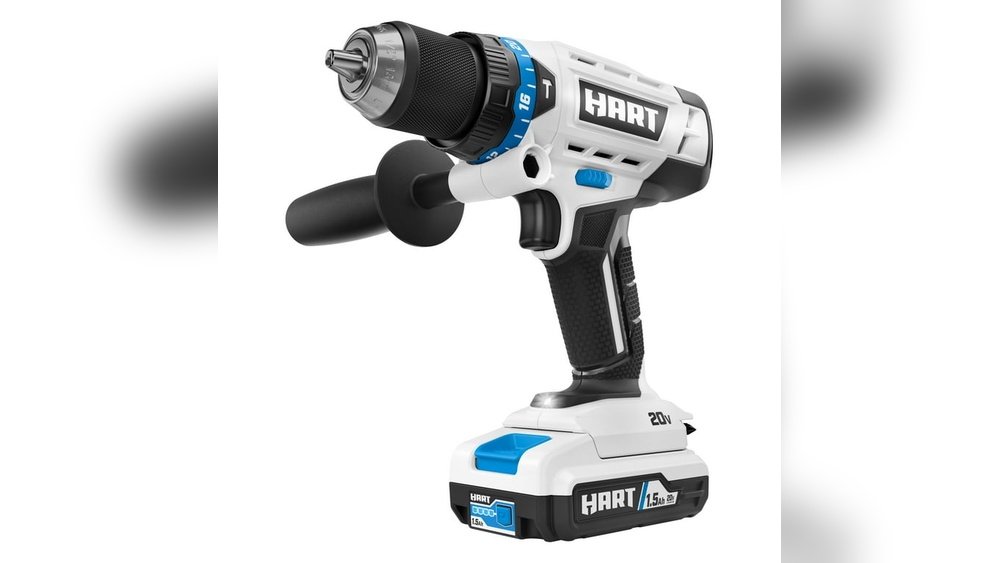
Are you wondering if your 20 volt cordless drill can handle working on brick? It’s a common question for anyone looking to take on home improvement tasks without buying expensive new tools.
Using the right drill can save you time, effort, and frustration—but using the wrong one might lead to poor results or even damage. You’ll discover exactly what your 20 volt cordless drill can do when it comes to drilling into brick.
By the end, you’ll know how to get the job done efficiently and safely, so you can move forward with confidence. Keep reading to find out if your drill is up for the challenge.
Credit: www.homedepot.com
Choosing The Right Drill
Picking the right drill matters for working with brick. Not all drills handle hard materials well. Using the wrong drill can cause damage or slow your work. Understanding drill types helps you make a good choice. This section explains key points about drills for brick.
Cordless Vs Corded Drills
Cordless drills offer freedom to move. No cords to worry about. But they may lose power over time. Corded drills plug into power. They keep constant power for tough jobs. For brick, corded drills usually work better. They handle long, hard drilling without stopping.
Importance Of Voltage
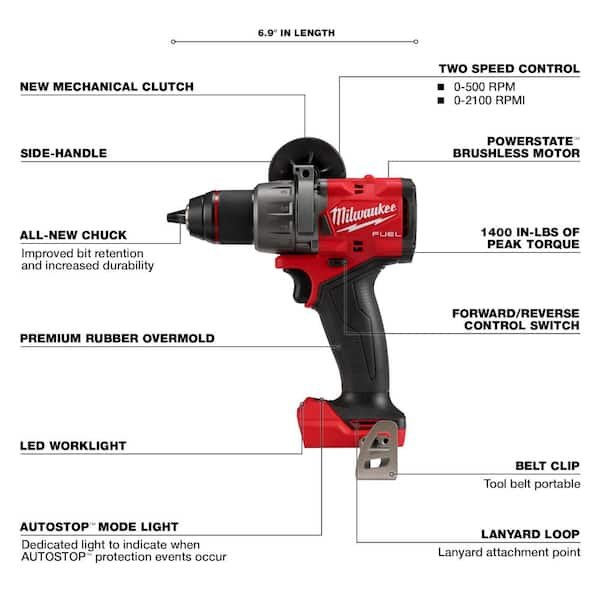
Voltage shows drill power. Higher volts mean more strength. A 20-volt drill can handle many tasks. But brick is tough and needs strong force. Sometimes, a 20-volt drill is enough for small holes. For bigger jobs, higher voltage or corded drills work best. Power helps drill through brick smoothly.
Drill Types For Masonry
Masonry drills are made for stone, brick, and concrete. They have special bits and features. Hammer drills add pounding action to break brick easily. Rotary drills spin only and may struggle with brick. Choose a hammer drill for best results. Use masonry bits that are strong and sharp.
Credit: www.homedepot.com
Drill Features For Brick Work
Using a cordless drill for brick work requires specific features. These features help the drill work better and last longer. Choosing the right drill makes the job easier and safer.
Not all drills are made for hard materials like brick. Some have extra functions and parts designed for tougher jobs. Understanding these features helps pick the best drill for brick.
Hammer Function Benefits
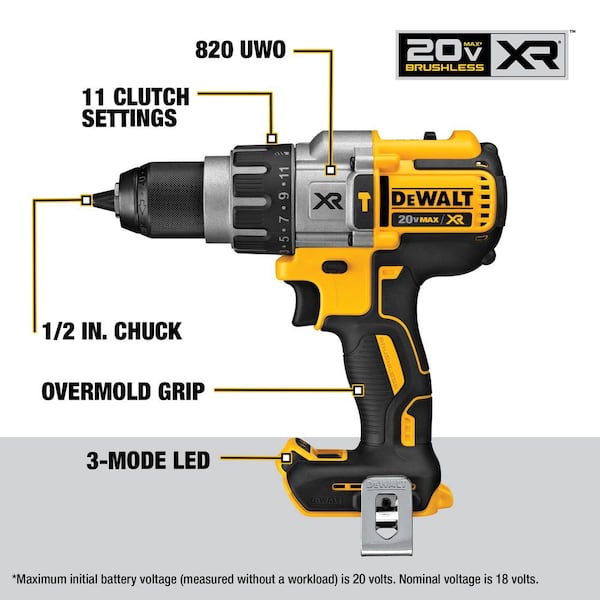
The hammer function adds a pounding action to the drill. It helps the drill break through hard surfaces like brick. This function makes drilling faster and less tiring. Without it, drilling into brick can take much more effort and time.
Chuck Size And Drill Bits
The chuck size controls what drill bits fit the drill. A 1/2-inch chuck is common for brick work. It holds larger, stronger bits for masonry. Masonry bits have a special tip to cut into brick and mortar. Using the right bit prevents damage to the drill and wall.
Battery Life And Power
Brick work needs a drill with strong power and long battery life. A 20-volt battery offers good power for most tasks. Long battery life means less stopping to recharge. This helps finish jobs faster and with less hassle.
Using A 20 Volt Drill On Brick
Using a 20 volt cordless drill on brick is possible with the right approach. Brick is a tough material that needs care and the correct tools. A 20 volt drill gives enough power for small to medium jobs. It is important to use the right drill bits and techniques to avoid damage.
Drilling Techniques
Start by marking the spot on the brick clearly. Use a small pilot hole first. Hold the drill steady and keep it straight. Do not push too hard. Let the drill do the work. Stop often to clear dust from the hole. This keeps the drill cool and working well.
Recommended Drill Bits For Brick
Choose masonry drill bits for brick. These bits have a strong tip made for hard surfaces. Carbide-tipped bits work well for long-lasting use. Avoid using wood or metal bits on brick. The right bit makes drilling easier and safer.
Speed And Pressure Tips
Use a low to medium speed on the drill. High speed can overheat the bit and brick. Apply steady, gentle pressure. Pressing too hard may crack the brick. Take breaks to let the drill and bit cool down. This keeps the process smooth and protects the tools.
Safety Tips While Drilling Brick
Drilling into brick requires care and attention to safety. Bricks are tough, and the process creates dust and heat. Taking the right safety steps keeps you safe and protects your tools.
Protective Gear
Wear safety glasses to protect your eyes from flying dust and chips. Use a dust mask to avoid breathing in fine particles. Gloves protect your hands from sharp edges and vibrations. Choose ear protection to reduce noise from the drill.
Handling Dust And Debris
Brick dust can irritate your skin and lungs. Work in a well-ventilated area or outside. Use a vacuum or brush to clean dust often. Avoid blowing dust into the air. Keep your work area tidy to prevent slipping or accidents.
Preventing Drill Overheating
Drilling brick creates friction that heats the drill bit. Pause regularly to let the drill cool down. Use the right drill bit designed for masonry. Do not push the drill too hard; let it work at its own pace. Overheating can damage the drill and bit.
Common Challenges And Solutions
Using a 20 volt cordless drill for brickwork has some challenges. Knowing these can help you work better and avoid damage. Simple solutions make the task easier and safer. This section highlights common problems and how to fix them.
Dealing With Tough Bricks
Some bricks are very hard and tough to drill. They can cause the drill to slow down or stop. Use a hammer drill mode if your drill has one. Start with a small bit to make a pilot hole. Drill slowly and apply steady pressure. Avoid pushing too hard to stop bit breakage.
Avoiding Drill Bit Damage
Drilling into brick can wear out your drill bits fast. Use masonry drill bits made for bricks and stones. Check bits often for signs of wear or dullness. Replace dull bits to keep drilling smooth. Keep the bit cool by pausing often to avoid overheating.
Battery Maintenance For Continuous Use
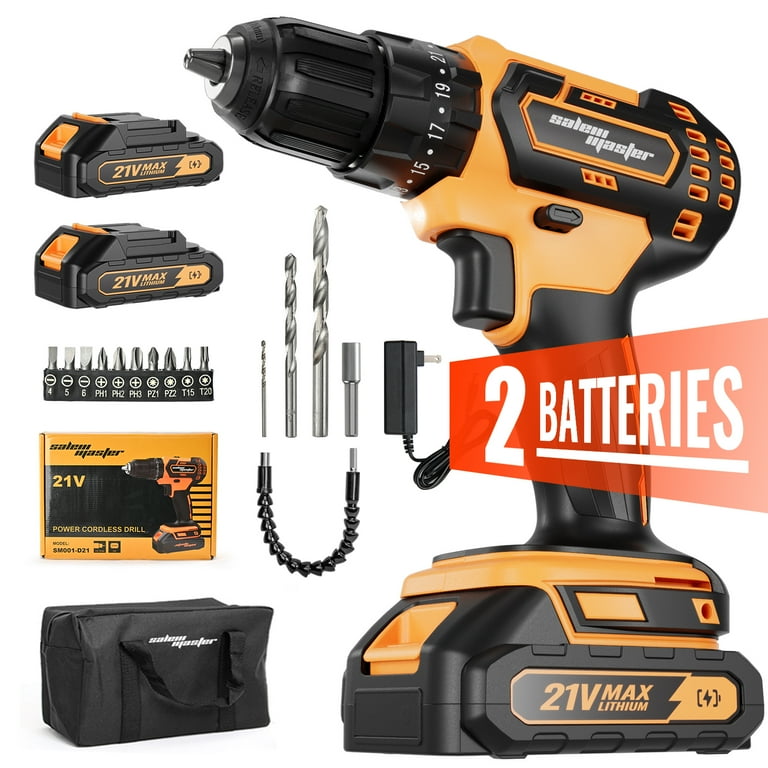
Brick drilling uses a lot of battery power quickly. Charge your battery fully before starting work. Have a spare battery ready for long jobs. Avoid letting the battery drain completely before recharging. Keep batteries in a cool, dry place to last longer.
Credit: www.walmart.com
Frequently Asked Questions
Can A 20 Volt Cordless Drill Drill Into Brick?
Yes, a 20 volt cordless drill can drill into brick with the right masonry bit. Use a hammer drill setting if available for better performance.
What Drill Bit Is Best For Drilling Brick?
Use a carbide-tipped masonry bit for drilling into brick. It is designed to handle hard, abrasive surfaces like brick and mortar.
How To Avoid Damaging Brick When Drilling?
Drill slowly with steady pressure and use a masonry bit. Avoid applying excessive force to prevent cracking or damaging the brick.
Is A 20 Volt Drill Powerful Enough For Brick?
A 20 volt drill offers sufficient power for light to medium brick drilling tasks. For heavy-duty jobs, higher voltage or hammer drills are recommended.
Conclusion
A 20 volt cordless drill can work on brick with the right bit. Choose a masonry bit designed for hard surfaces. Take your time and apply steady pressure. Avoid forcing the drill to prevent damage. Battery power may drain faster on brick.
For bigger jobs, consider a hammer drill. Safety matters—wear goggles and gloves. Using the correct tool makes the job easier and safer. Keep these tips in mind for best results.
