


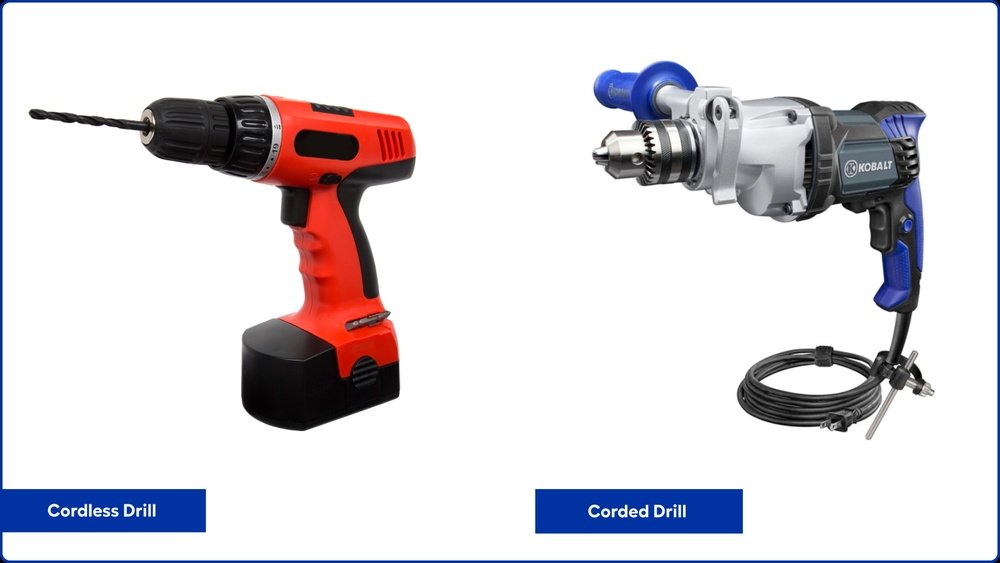
Are you trying to decide between a corded drill and a cordless one? Choosing the right drill can make your projects easier, faster, and more enjoyable.
But which option truly fits your needs? You might be wondering if a corded drill offers more power or if a cordless drill gives you the freedom to move around without limits. Keep reading to discover the key differences that affect your work, so you can pick the drill that helps you get the job done right every time.
Power And Performance
Power and performance are key when choosing between corded and cordless drills. Both types have strengths that suit different tasks and users. Understanding their power sources helps decide which drill fits your needs best.
Consistent Power Of Corded Drills
Corded drills deliver steady power without drops. They plug directly into an outlet, so power stays constant. This makes them ideal for heavy jobs and long use.
These drills often have higher torque. They can handle tough materials like metal and hardwood easily. No need to pause for charging means work flows smoothly.
Battery Life And Power Of Cordless Models
Cordless drills run on batteries, offering freedom of movement. Power depends on battery type and charge level. High-quality batteries give good power but weaken over time.
Battery life limits how long you can work without recharge. Some models have quick-charging features to reduce downtime. Cordless drills suit light to medium tasks and places without easy power access.
Portability And Convenience
Portability and convenience play a big role in choosing between corded and cordless drills. How easy it is to carry and use the tool affects your work speed and comfort. This section explains the main points about moving around and handling these drills.
Mobility Benefits Of Cordless Drills
Cordless drills offer great freedom of movement. You can work far from power outlets without trouble. This makes them perfect for outdoor jobs or places without electricity. The lack of a cord means you avoid tangles and tripping hazards. Also, cordless drills are usually lighter and easier to carry. You can use them in tight spaces or awkward angles with less effort.
Limitations Of Corded Drills
Corded drills need to stay near a power source. The cord limits your reach and movement. You may need extra extension cords on large sites. This can cause clutter and slow you down. The cord can get caught or tangled, creating safety risks. Corded drills are often heavier because of the motor design. They can be harder to handle for long periods or in tight spots.
Cost And Value
Cost and value play a big role when choosing between a corded and cordless drill. Many buyers want to know which tool saves money over time. Both types have different price points and maintenance needs. Understanding these can help you spend wisely.
Initial Price Differences
Corded drills usually cost less upfront. They come without batteries or chargers. This lowers the starting price. Cordless drills need batteries and chargers, raising the price. Some brands offer kits, but these still cost more. If budget is tight, corded drills fit better.
Long-term Maintenance Costs
Cordless drills need battery replacements after some years. Batteries lose power and hold less charge. New batteries can be costly. Corded drills do not have this issue. They only need occasional cord and motor checks. This makes corded drills cheaper to maintain. Cordless drills may require more spending over time.

Credit: www.moglix.com
Durability And Lifespan
Durability and lifespan are key factors when choosing between corded and cordless drills. These tools must withstand tough jobs and last a long time. Knowing how each type holds up helps make the best choice for your needs.
Build Quality Comparison
Corded drills often have stronger parts and fewer moving pieces. They use a steady power source, which reduces stress on internal components. This usually means corded drills last longer under heavy use. Their metal housings resist damage well. Cordless drills are lighter and made with more plastic. They balance strength with portability. Some models are tough, but constant drops or bumps can wear them down faster.
Battery Degradation Concerns
Cordless drills depend on batteries that lose power over time. Batteries get weaker after many charges. This reduces drill runtime and power. Replacing batteries adds extra cost. Some batteries fail after two or three years. Proper charging and storage can slow this loss. Corded drills avoid this problem since they plug into power. They keep working at full strength without battery issues.
Usage Scenarios
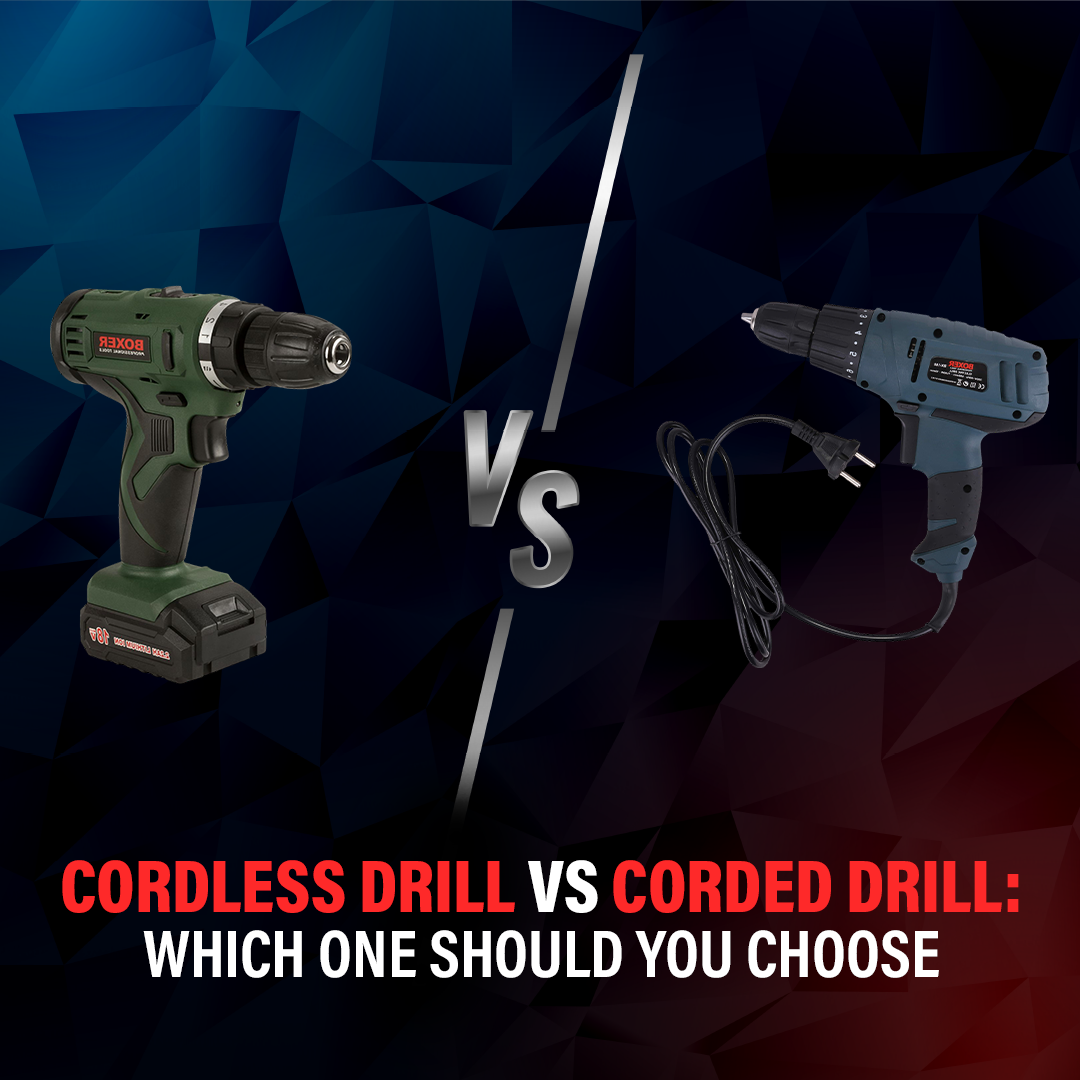
Choosing between a corded and cordless drill depends on the job you need to do. Each drill type fits certain tasks better. Understanding these usage scenarios helps pick the right tool. This section explains where each drill excels.
Best Tasks For Corded Drills
Corded drills deliver constant power without stopping. They work well for long projects with heavy drilling. Tasks like drilling into metal, concrete, or hardwood need steady force. Corded drills handle these jobs without battery worries.
Use corded drills for home building or remodeling. They suit continuous use on large projects. Electricians and plumbers often choose corded models for drilling through tough materials. These drills stay reliable for hours.
Ideal Jobs For Cordless Drills
Cordless drills offer freedom of movement and easy handling. They fit well for quick fixes or small projects around the house. Perfect for assembling furniture or drilling holes in drywall.
Great for outdoor work where power outlets are scarce. Cordless drills work well in tight spaces or high places. Their lightweight design reduces fatigue during long use. Ideal for hobbyists and occasional users.
Credit: boxertools.eu
Safety Considerations
Safety is a key factor when choosing between corded and cordless drills. Each type has unique risks that users must understand. Knowing these risks helps prevent accidents and injuries. Let’s explore the main safety concerns for both types of drills.
Cord Hazards
Corded drills have a power cable that can cause problems. The cord may get tangled or caught on objects. This can lead to tripping or pulling the drill unexpectedly. Damaged cords can cause electric shocks or short circuits. Always check the cord for cuts or frays before use. Keep the cord away from sharp edges and heat sources. Use corded drills in dry places to avoid electric hazards.
Battery Safety Issues
Cordless drills use rechargeable batteries that need proper care. Overcharging or using the wrong charger can cause batteries to overheat. Hot batteries may leak, swell, or even catch fire. Store batteries in cool, dry places. Avoid dropping or damaging the battery pack. Replace old or damaged batteries to reduce risks. Follow the manufacturer’s instructions for charging and storage. Proper battery care keeps cordless drills safe to use.
Technological Advances
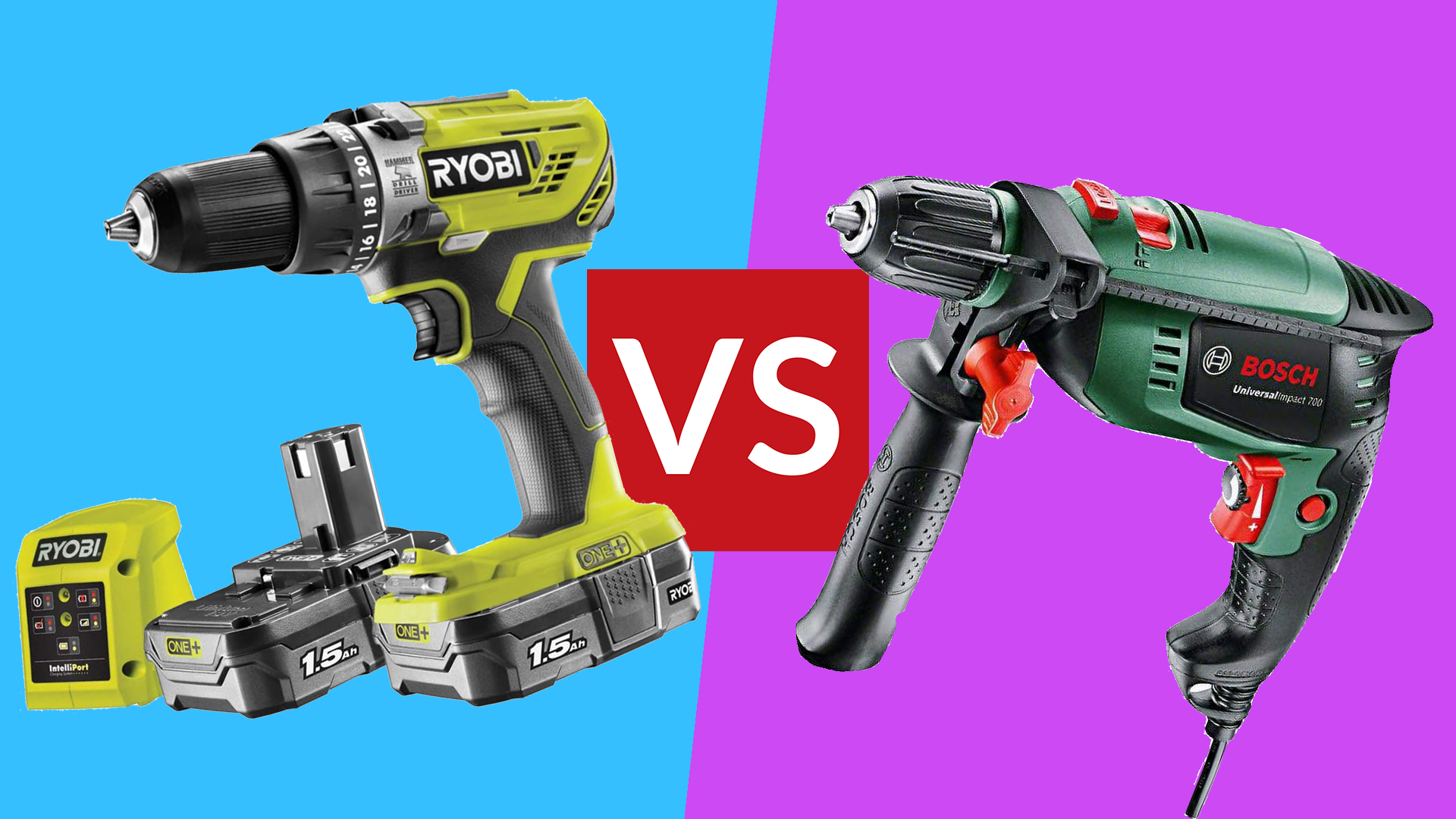
Technology has changed both corded and cordless drills. These tools have become smarter and easier to use. The latest changes affect power, weight, and battery life. These updates help users work faster and with less effort.
Both types of drills have new features. These features make them more reliable and useful for different tasks. Let’s explore some key improvements in each type.
Innovations In Cordless Technology
Battery technology has improved a lot. Lithium-ion batteries last longer and charge faster. New batteries weigh less, making drills easier to handle.
Brushless motors now power many cordless drills. These motors use energy more efficiently. They create less heat and last longer than older models.
Smart electronics protect the battery. They stop overcharging and overheating. This increases battery life and safety.
Modern cordless drills also have better speed control. Users can match speed to the task. This precision helps with delicate or tough jobs.
Improvements In Corded Drill Design
Corded drills have become lighter and more compact. New materials reduce weight without losing strength. This makes them easier to carry and use for long times.
Improved motor designs deliver more power smoothly. These motors maintain steady speed under heavy loads. This helps with drilling through hard materials.
Better cooling systems prevent the drill from overheating. This keeps the tool working longer during tough projects. Users can drill without frequent breaks.
Ergonomic handles now reduce hand fatigue. They provide a secure grip for better control. This improves comfort during extended use.
Credit: www.t3.com
Environmental Impact
Choosing between a corded and cordless drill also means thinking about the environment. Each type has a different impact on energy use and waste. Understanding these can help you make a better choice for the planet.
Energy Consumption Differences
Corded drills draw power directly from the outlet. They use electricity only when in use. This means less wasted energy overall. Cordless drills rely on batteries that need charging. Charging uses electricity even when the drill is not active. Batteries may also lose charge over time, causing more frequent charging. This can increase total energy consumption.
Battery Disposal Challenges
Cordless drills use lithium-ion batteries. These batteries contain materials that can harm the environment. Throwing them away with regular trash is dangerous. Special recycling is needed to handle these batteries safely. Improper disposal can lead to soil and water pollution. Corded drills do not have this problem since they don’t use batteries.
Choosing The Right Drill
Selecting the right drill means thinking about the tasks you want to do. Different jobs need different tools. A drill should feel comfortable and work well for your projects. Focus on what matches your needs best. This helps you save time and effort.
Think about the power source, size, and ease of use. These factors affect your work and how long the drill lasts. Knowing what you want helps you pick the best drill for your tasks.
Assessing Your Needs
Start by listing the jobs you plan to do. Are they light tasks like hanging pictures or heavy work like drilling into concrete? Cordless drills suit small, quick jobs. Corded drills work better for long, tough tasks.
Consider where you will work. Cordless drills give freedom to move anywhere. Corded drills need a power outlet nearby. Also, think about how often you will use the drill. Frequent use might call for a corded drill for steady power.
Balancing Pros And Cons
Corded drills offer constant power without worrying about battery life. They are usually lighter than cordless models. But they limit your movement because of the cord. Cordless drills are easy to carry and use anywhere. Yet, their batteries can run out during work.
Think about cost too. Corded drills often cost less than cordless ones. Batteries add to the price of cordless drills. Decide which benefits matter most for your projects and budget. This will guide you to the right choice.
Frequently Asked Questions
What Are The Main Differences Between Corded And Cordless Drills?
Corded drills offer continuous power with no battery limits. Cordless drills provide portability and convenience but need recharging. Corded drills are typically heavier, while cordless models are lighter and more versatile for different tasks.
Which Drill Type Is Better For Heavy-duty Projects?
Corded drills are better for heavy-duty tasks due to constant power supply. They handle tougher materials without power loss. Cordless drills may struggle on prolonged or intensive jobs because of battery limitations.
Are Cordless Drills More Convenient Than Corded Ones?
Yes, cordless drills are more convenient because they offer mobility. They work anywhere without needing a power outlet. However, their usage time depends on battery life, requiring recharges during extended use.
How Does Battery Life Affect Cordless Drill Performance?
Battery life limits cordless drill operation time. Older or low-quality batteries reduce power and runtime. Modern lithium-ion batteries offer longer life and faster charging, improving cordless drill usability.
Conclusion
Choosing between a corded and cordless drill depends on your needs. Corded drills offer constant power without charging breaks. Cordless drills provide freedom to move anywhere without cords. For heavy work, corded drills hold an advantage. For quick tasks or portability, cordless drills work well.
Think about where and how often you will drill. Both types have strengths that fit different projects. Match the drill to your work style and environment. This helps you get the best results every time.
