

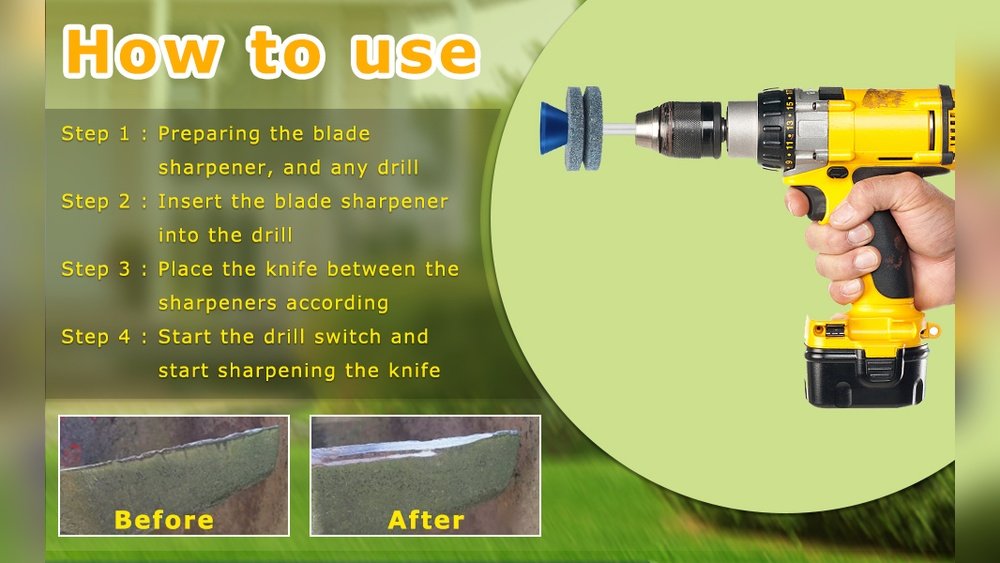
Have you ever wondered if your cordless drill could do more than just build and fix? What if you could turn it into a tool to sharpen your dull knives quickly and easily?
If you’re tired of struggling with blunt blades, this idea might sound like a game-changer. But is it safe? Will it really work? Keep reading, because by the end of this article, you’ll know exactly how to use your cordless drill to sharpen your knives—and whether it’s the right choice for you.

Credit: www.instructables.com
Safety First
Safety must be your top priority when using a cordless drill to sharpen a knife. The process involves sharp edges and fast-moving parts. A small mistake can cause serious injury. Taking the right safety steps protects you and others nearby.
Protective Gear
Wear safety glasses to protect your eyes from sparks and metal shards. Use thick gloves to shield your hands from cuts. Avoid loose clothing that can get caught in the drill. Protecting your body reduces the risk of accidents.
Secure Workspace
Choose a clean, well-lit area to work in. Clear the space of any clutter or distractions. Place the knife on a stable surface or clamp it firmly. A steady workspace helps you control the drill better and prevents slips.
Handling The Drill
Hold the drill firmly with both hands. Keep your fingers away from the blade at all times. Start with low speed and increase only if needed. Always point the drill away from your body and others. Careful handling reduces the chance of injury.
Tools Needed
Sharpening a knife with a cordless drill needs the right tools. Using the correct equipment makes the job safer and more effective. This section covers the essential tools you need for this task.
Choosing The Right Drill
Pick a cordless drill with variable speed settings. This control helps avoid overheating the blade. A drill with a comfortable grip reduces hand fatigue. Check that the drill has enough power for attachments. A lightweight drill is easier to handle during sharpening.
Selecting Sharpening Attachments
Use a sharpening wheel or sanding drum made for drills. These attachments grind and smooth the blade edge. Choose attachments with fine grit for a sharp finish. Avoid coarse grit that may damage the knife. Make sure the attachment fits your drill’s chuck size.
Additional Supplies
Wear safety glasses to protect your eyes from sparks and debris. Use gloves to prevent cuts and improve grip. Have a clamp or vise to hold the knife steady. Keep a cloth nearby to wipe the blade clean. Use water or oil to cool the blade during sharpening.
Preparing The Drill
Preparing your cordless drill is key to sharpening a knife safely and well. The drill needs the right tool and settings. These steps help set up your drill correctly. Follow them to get better results and avoid damage to your knife or the drill itself.
Attaching The Sharpening Tool
Choose a sharpening attachment made for drills. These tools fit into the drill’s chuck. Open the chuck by turning it counterclockwise. Insert the sharpening tool’s shaft firmly. Tighten the chuck by turning it clockwise. Make sure the tool is secure and does not wobble. A loose tool can cause uneven sharpening or accidents.
Adjusting Speed Settings
Set the drill to a low or medium speed. High speed can overheat the knife’s blade. Overheating can damage the blade’s metal. Use the drill’s speed control feature to adjust. Start slow and increase speed only if needed. Proper speed helps sharpen evenly and safely.
Testing The Setup
Test the drill setup before sharpening your knife. Turn on the drill and watch the attachment spin. Check for smooth and steady rotation. If the tool wobbles or shakes, stop and readjust. Hold the drill firmly to feel its balance. A stable setup protects both your knife and hands.
Credit: www.allamericansharpener.com
Sharpening Techniques
Sharpening a knife with a cordless drill needs careful technique. You must learn key steps to make the blade sharp and safe. Using the right angle, pressure, and balance will improve your results. These techniques help protect the blade and keep it sharp longer.
Proper Angle For Sharpening
Hold the knife at a 15 to 20-degree angle to the drill bit. This angle works best for most kitchen knives. Too steep or flat can damage the edge or dull it quickly. Keep this angle steady while sharpening for even results.
Maintaining Consistent Pressure
Use light to medium pressure on the blade. Pressing too hard can wear out the edge fast. Too soft will not sharpen the blade well. Keep your hand steady and let the drill do the work.
Sharpening Both Sides
Sharpen one side of the blade first, then switch to the other. This keeps the edge balanced and sharp. Equal strokes on both sides prevent the blade from bending. Count your strokes to sharpen evenly.
Common Mistakes
Using a cordless drill to sharpen a knife might seem easy. Many people try this method but make common mistakes. These errors can damage the knife or make it less sharp. Avoid these mistakes to get better results and keep your knife safe.
Overheating The Blade
Spinning the drill too fast can heat the blade quickly. Heat can ruin the blade’s steel by making it weak. Cool the blade often by dipping it in water. Take breaks to avoid overheating during sharpening.
Uneven Sharpening
Holding the drill at the wrong angle causes uneven edges. The knife will not cut smoothly or well. Keep the drill steady and consistent on the blade. Move slowly and cover the whole edge equally.
Damaging The Knife Edge
Pressing too hard with the drill can chip or scratch the knife. The blade edge is thin and needs gentle handling. Use light pressure and let the drill do the work. Rough handling can ruin expensive knives fast.

Credit: www.amazon.com
After Sharpening Care
After sharpening a knife with a cordless drill, proper care is important. It keeps the blade sharp longer and protects your investment. Taking simple steps will help maintain the knife’s performance and safety.
Cleaning The Blade
Clean the blade right after sharpening. Use warm water and mild soap. Gently wipe the blade with a soft cloth. Avoid harsh chemicals or abrasive materials. Dry the blade completely to stop rust or stains.
Testing Sharpness
Test the sharpness carefully. Slice through a piece of paper or tomato skin. The blade should cut smoothly without tearing. If it feels dull, repeat sharpening with the drill. Always test in a safe way to avoid cuts.
Storing The Knife Safely
Store the knife in a safe place after use. Use a knife block, magnetic strip, or blade guard. Keep the blade protected to avoid damage and accidents. Proper storage also keeps the edge sharp longer.
When Not To Use A Cordless Drill
Using a cordless drill to sharpen knives can be quick and handy. Still, it is not always the best tool for every knife type. Some knives need special care. Others might get damaged by the drill’s speed and power. Knowing when not to use a cordless drill helps keep your knives sharp and safe.
Delicate Or Specialty Knives
Thin or fragile blades can bend or chip easily. Ceramic knives break fast under high speed. Damascus knives have layered steel that wears unevenly. A cordless drill may remove too much metal quickly. Use gentle methods for these delicate knives.
Blade Material Limitations
Some blade materials don’t handle power tools well. Soft metals can lose their edge shape. Hardened steel might crack or weaken. Cordless drills spin fast and create heat. Heat can ruin the blade’s temper and strength.
Professional Alternatives
Sharpening stones and manual sharpeners give more control. Electric sharpeners made for knives offer safer results. Professionals use special machines for precise edges. These tools protect your blade and extend its life. Avoid drills when sharpness and blade health matter most.
Frequently Asked Questions
Can A Cordless Drill Safely Sharpen Knives?
Yes, a cordless drill can sharpen knives with the right attachment. Use a sharpening stone or grinding wheel designed for drills. Always follow safety guidelines to avoid damaging the blade or injuring yourself.
What Attachments Are Needed For Drill Knife Sharpening?
You need a drill attachment like a sharpening stone or grinding wheel. These tools help maintain the correct angle and provide even sharpening on the blade edge.
Is Cordless Drill Sharpening Better Than Manual Methods?
Cordless drill sharpening is faster and requires less effort. However, manual sharpening offers more control and precision. Choose based on your skill level and desired results.
Can Cordless Drills Damage Knife Blades?
Yes, improper use of a cordless drill can damage knife blades. Using too much pressure or the wrong attachment can cause chips or uneven edges.
Conclusion
Using a cordless drill to sharpen a knife can work with the right tools. It needs care and patience to avoid damage. Always use a proper sharpening attachment made for drills. Keep a steady hand and go slow. This method saves time but may not be perfect for all knives.
A manual sharpener or stone might be better for some blades. Choose what fits your skill and knife type. Safety matters most, so wear gloves and watch your fingers. Try it carefully and see if it suits your needs.
