


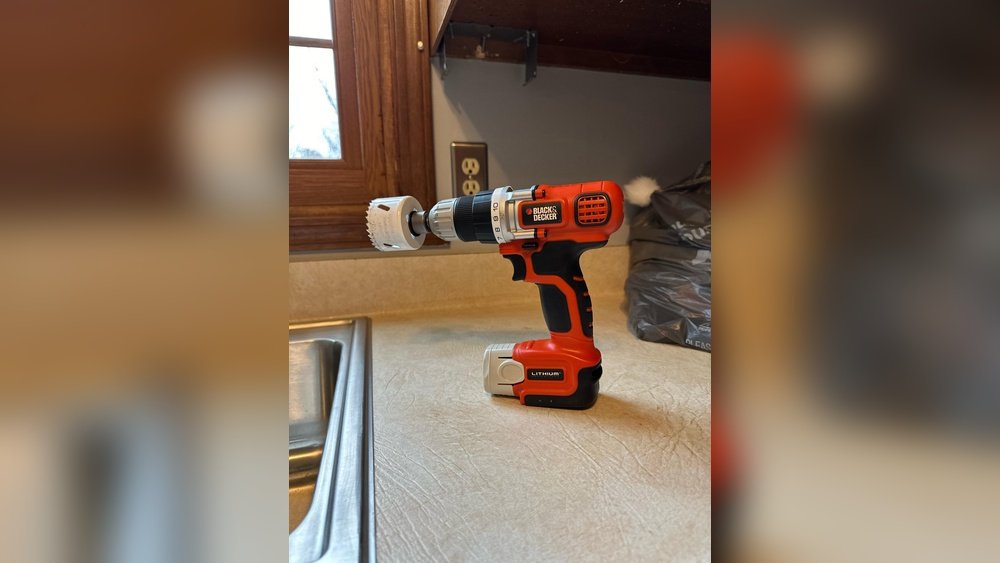
Are you wondering if your 12V cordless drill can handle cutting through aluminum? You’re not alone.
Many DIY enthusiasts and professionals ask this question before starting their projects. Knowing whether your drill can do the job saves you time, effort, and money. You’ll discover the truth about using a 12V cordless drill on aluminum. By the end, you’ll feel confident deciding if your tool is up to the task or if you need something more powerful.
Keep reading to find out what really works!

Credit: www.reddit.com
Cordless Drills And Metal Cutting
Cordless drills are popular tools in workshops and homes. They offer convenience without the hassle of cords. Many wonder if a 12V cordless drill can cut through metals like aluminum. Understanding the drill’s ability and the type of metal is key to answering this.
Cutting metal with a cordless drill depends on the drill’s power and the right accessories. Using proper drill bits or attachments designed for metal cutting improves results. Safety gear is also important when drilling through metals.
Power And Torque Of 12v Drills
12V drills are smaller and lighter than higher voltage models. They provide enough power for light to medium tasks. Their torque, or twisting force, is lower than larger drills. This limits cutting speed and thickness of metals they can handle.
For thin metals like aluminum sheets, a 12V drill can work well. It may struggle with thicker or harder metals. Using sharp drill bits made for metal helps reduce stress on the drill. Slow and steady drilling prevents overheating and damage.
Types Of Metals Suitable For 12v Drills
12V cordless drills suit softer and thinner metals best. Aluminum, brass, and copper are easier to cut. Steel and other hard metals need stronger drills or special tools. Thin aluminum sheets or pipes are perfect tasks for 12V drills.
Choosing the right drill bit increases cutting efficiency. High-speed steel (HSS) or cobalt bits are good for metals. Avoid using bits meant for wood or plastic. Matching the drill’s power to the metal type ensures better results and longer tool life.
Properties Of Aluminum
Aluminum is a popular metal for many projects. It is light and easy to shape. It does not rust like steel, so it lasts longer outdoors. Aluminum also conducts heat and electricity well. These properties make it useful for tools, cars, and many household items.
Understanding aluminum’s features helps decide how to work with it. Cutting aluminum requires knowing its softness and thickness. These factors affect the tools and methods to use.
Aluminum’s Softness And Thickness
Aluminum is softer than many metals like steel or iron. This softness makes it easier to cut but also easy to bend or scratch. The thickness of aluminum varies by use. Thin sheets cut easier than thick blocks. Knowing the thickness helps choose the right drill or blade.
Challenges In Cutting Aluminum
Cutting aluminum can be tricky despite its softness. It can clog blades or bits with sticky shavings. The metal heats up quickly and may damage tools. Using the wrong speed or pressure can cause rough cuts or tool damage. Proper care and the right tool help avoid these problems.
Choosing The Right Drill Bit
Choosing the right drill bit is key to cutting aluminum with a 12V cordless drill. The drill bit must handle soft metal without bending or breaking. Picking the correct bit makes drilling smoother and faster. It also prevents damage to your drill and the aluminum piece.
Best Drill Bits For Aluminum
High-speed steel (HSS) drill bits work well for aluminum. They are sharp and strong enough to cut through soft metals. Titanium-coated bits last longer and reduce friction. Cobalt drill bits offer extra strength for tougher aluminum alloys. Step drill bits create clean holes without snagging. Select bits designed for metal rather than wood or plastic.
How Drill Bit Quality Affects Cutting
Quality drill bits cut cleaner and stay sharp longer. Cheap bits dull quickly and overheat, damaging aluminum. A good bit reduces the chance of slipping or chipping. Sharp edges produce smooth holes and less waste. Investing in quality bits saves time and effort in the long run.
Techniques For Cutting Aluminum With A 12v Drill
Cutting aluminum with a 12V cordless drill requires the right methods. Aluminum is soft but can bend or chip without proper care. Using correct techniques helps achieve clean cuts and protects your drill bit. Focus on speed, pressure, and lubrication for the best results. These steps make cutting easier and safer.
Proper Speed Settings
Set the drill speed low to medium for cutting aluminum. High speed causes heat and can damage the metal. A steady, moderate pace reduces the risk of melting or warping. Control the drill speed with the trigger for smooth cutting. Avoid rushing to keep the cut clean.
Applying Correct Pressure
Use firm but gentle pressure on the drill. Pressing too hard can break the drill bit or bend the aluminum. Light pressure lets the bit cut steadily without slipping. Let the drill do the work. Steady pressure helps avoid jagged edges and keeps the drill from overheating.
Using Lubricants To Ease Cutting
Lubricants reduce friction and heat during cutting. Apply oil or cutting fluid to the drill bit and metal. This keeps the bit sharp longer and prevents the aluminum from sticking. Lubricants improve the quality of the cut and protect your tools. Reapply lubricant often for best results.
Safety Tips While Cutting Aluminum
Cutting aluminum with a 12V cordless drill requires careful attention to safety. Aluminum is soft but sharp edges and metal shavings can cause injury. Taking the right safety steps helps avoid accidents and damage. Always prepare well before starting to cut.
Proper safety gear and careful handling prevent harm. Also, controlling heat buildup protects both the tool and material. Follow these safety tips to cut aluminum smoothly and safely.
Protective Gear Recommendations
Wear safety glasses to protect your eyes from metal shavings. Use gloves to shield your hands from sharp edges and hot surfaces. A dust mask helps avoid breathing in fine aluminum dust. Long sleeves and closed shoes add extra protection. Safety gear keeps you safe throughout the cutting process.
Avoiding Overheating And Damage
Use a low drill speed to reduce heat buildup. Apply light pressure to avoid stressing the drill bit. Take breaks to let the drill and aluminum cool down. Overheating can damage the drill motor and dull the blade. Keep the drill bit sharp for clean cuts and less friction. Proper cooling and care extend tool life and improve cutting quality.
Alternative Tools For Cutting Aluminum
Cutting aluminum requires the right tool for a clean and safe job. A 12V cordless drill might not always be the best choice. Other tools provide better control and precision. These alternatives can save time and reduce frustration.
Different tools offer unique benefits for cutting aluminum. Choosing the right one depends on the task size and your experience. Let’s explore some practical options.
Using Jigsaws And Saws
Jigsaws are versatile and easy to handle for cutting aluminum sheets. They use fine-toothed blades designed for metal. This helps avoid rough edges and keeps cuts smooth.
Handheld saws or circular saws with metal-cutting blades can also work well. They provide straight cuts and are good for thicker aluminum pieces. Using the right blade is key for safety and efficiency.
Benefits Of Dedicated Metal Cutters
Dedicated metal cutters are made specifically for metals like aluminum. They give clean, precise cuts without much effort. These tools reduce the chance of damaging the material.
Metal cutters often have features like adjustable speed and blade guards. These enhance control and protect the user. They also last longer, making them a solid investment.
Maintenance After Cutting
After cutting aluminum with a 12V cordless drill, proper maintenance is key. It keeps your tools in good shape. It also helps the drill work well next time. Taking care of your drill and bits saves money and time.
Cleaning Drill Bits
Remove any aluminum shavings from the drill bits. Use a soft brush to clean the bits carefully. Avoid water, as it can cause rust. Wipe the bits with a dry cloth after use. Clean bits cut better and last longer.
Storing Tools Properly
Store your drill and bits in a dry place. Use a case or toolbox to protect them. Keep the tools away from dust and moisture. Proper storage prevents damage and rust. Always put tools back after finishing your work.

Credit: www.g-locbrakes.com

Credit: www.reddit.com
Frequently Asked Questions
Can A 12v Cordless Drill Cut Through Aluminum?
Yes, a 12V cordless drill can cut aluminum if equipped with the right cutting bit. Use sharp, high-speed steel or carbide-tipped bits. Cutting slowly and applying consistent pressure helps achieve clean cuts without overheating the drill or the aluminum.
What Drill Bits Work Best For Cutting Aluminum?
High-speed steel (HSS) and carbide-tipped drill bits work best for aluminum. These bits maintain sharpness and reduce heat buildup. Using the correct bit size and lubricating the cutting surface improves cutting efficiency and extends bit life.
How To Prevent Aluminum From Overheating While Drilling?
To prevent overheating, use slow drill speeds and light pressure. Apply cutting oil or lubricant to the drilling area. This reduces friction, cools the metal, and prevents damage to both the drill bit and aluminum.
Is A 12v Drill Powerful Enough For Thick Aluminum Sheets?
A 12V drill can handle thin to medium-thickness aluminum sheets. For thicker aluminum, a higher voltage drill or specialized cutting tools may be necessary. Always assess the material thickness before starting your project.
Conclusion
A 12V cordless drill can cut through aluminum with the right bit. Choose a sharp, high-speed steel or carbide bit for best results. Keep the drill speed moderate to avoid overheating the metal. Apply steady, gentle pressure while cutting. This method works well for thin to medium aluminum sheets.
For thicker aluminum, a more powerful tool may be needed. Always wear safety gear to protect your eyes and hands. With care and the right tools, cutting aluminum is possible using a 12V drill. Simple steps lead to good results.
