


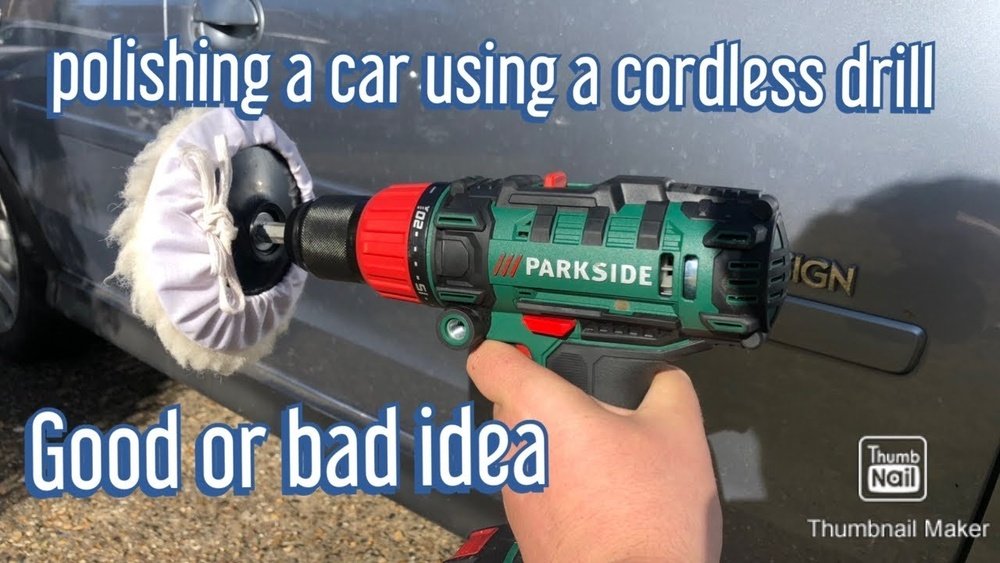
Have you ever wondered if your cordless drill could do more than just tighten screws? What if you could use it to polish your car and bring back that showroom shine without buying expensive tools?
You might be surprised to learn that with the right approach, your trusty drill can become a handy polishing tool. But is it really safe? Will it give you the results you want? Keep reading to discover how you can turn your cordless drill into a car polishing powerhouse—and what you need to watch out for to avoid common mistakes.
Credit: www.slashgear.com
Cordless Drill Basics
Cordless drills are popular tools found in many toolboxes. They run on batteries and do not need a power cord. This makes them easy to carry and use anywhere. Cordless drills are useful for many tasks beyond just drilling holes.
Understanding the basic features of cordless drills can help you decide if one can polish your car. Knowing their strengths and limits is important before trying new uses.
Key Features Of Cordless Drills
Cordless drills have a rechargeable battery that powers the motor. The motor spins the drill bit or other attachments. Most drills have adjustable speed settings to control the spin rate. Some models come with a clutch to control torque and prevent damage. The lightweight design helps reduce user fatigue during long tasks.
Many drills have a keyless chuck, making it easy to change bits quickly. LED lights near the chuck improve visibility in dark spaces. The battery life depends on the battery type and size. Higher voltage batteries last longer but make the drill heavier.
Common Uses Beyond Drilling
Besides drilling holes, cordless drills can drive screws fast and efficiently. They help build furniture, hang shelves, and assemble items. Some people use cordless drills for mixing paint or thin materials. With the right attachment, they can sand surfaces or clean tight spots.
Polishing a car with a cordless drill is possible but not common. It requires special polishing pads and careful speed control. The drill must provide steady power to avoid damage. Knowing the drill’s capabilities helps prevent mistakes during polishing tasks.
Polishing A Car Explained
Polishing a car means making its paint look smooth and shiny. It removes small scratches, swirl marks, and dull spots. Polishing can bring back the car’s original shine and make it look newer.
It is different from washing or waxing. Washing cleans dirt and dust. Waxing protects the paint. Polishing improves the paint surface itself.
Purpose Of Car Polishing
Polishing fixes minor paint damage and light scratches. It smooths the surface by removing a thin layer of paint. This helps the light reflect evenly and makes the car shine. Polishing also prepares the surface for waxing or sealing. It keeps the car’s finish looking fresh and well cared for.
Tools Typically Used
Car polishing uses special tools for the best results. A dual-action or rotary polisher is common. These tools spin a foam or wool pad to apply polish evenly. You also need polishing compounds that clean and smooth the paint. Microfiber cloths help remove residue and buff the surface. Using the right tools makes polishing easier and safer for the paint.
Using A Cordless Drill For Polishing
Using a cordless drill for polishing a car can be a practical choice. This tool offers mobility and ease without the need for cords. It allows you to reach tight spots and work without being tethered to an outlet.
To get the best results, you need to understand how to use the drill correctly for polishing tasks. Choosing the right attachments and controlling speed are key factors. Knowing the benefits and limits helps avoid damage and ensures a smooth finish.
Suitable Attachments And Pads
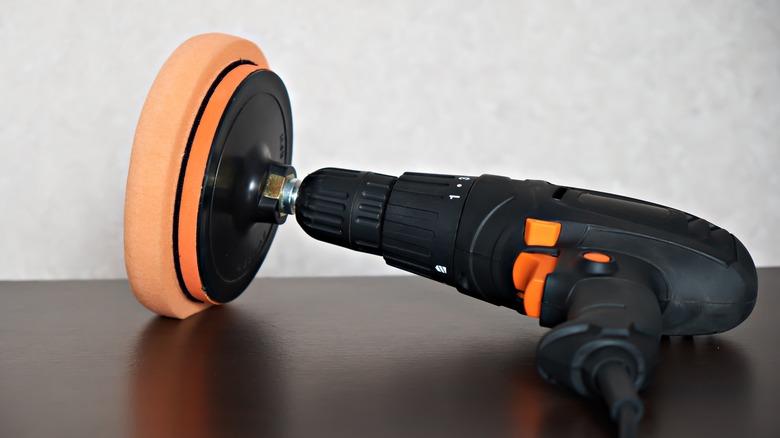
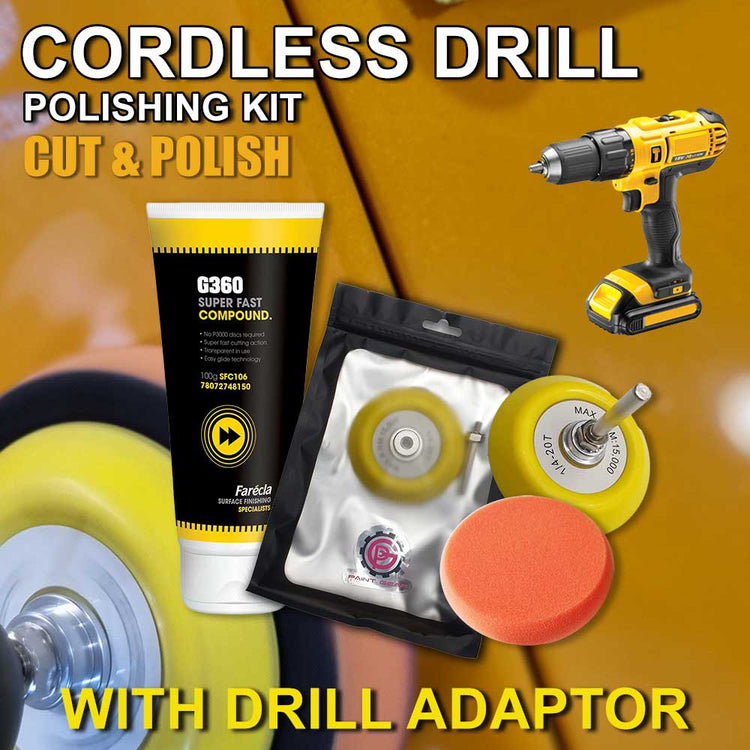
Not all drill attachments work for car polishing. You need soft foam or microfiber pads made for polishing. These pads help spread the polish evenly and prevent scratches. Some pads attach with Velcro, making them easy to swap out. Avoid hard or rough pads that can harm the paint.
Adjusting Speed And Torque
Polishing requires a slow, steady speed. Most cordless drills have variable speed settings. Use a low speed to avoid overheating or damaging the paint. Torque should also be low to maintain control. High torque can cause swirl marks or burn the surface. Test on a small area first to find the right setting.
Benefits And Limitations
Cordless drills offer great portability and convenience. They work well for small touch-ups and light polishing jobs. The battery-powered design lets you move freely around the car. Yet, they might not provide consistent speed like professional polishers. For large or heavy polishing, a dedicated polisher is better. Cordless drills can also tire your hand more during long use.
Step-by-step Polishing Guide
Polishing a car with a cordless drill can save time and effort. This step-by-step guide will help you achieve a smooth, shiny finish. Follow each step carefully for the best results.
Preparing The Car Surface
Start by washing the car thoroughly to remove dirt and grime. Use a gentle car soap and water. Dry the surface with a clean towel. Check the paint for scratches or chips. Cover these areas with painter’s tape to protect them. Make sure the car is in a shaded area to avoid direct sunlight. This helps the polish work better.
Applying Polish With A Drill
Attach a soft polishing pad to your cordless drill. Apply a small amount of polish to the pad. Spread the polish evenly on the car surface before turning on the drill. Use low speed to avoid damaging the paint. Move the drill in slow, circular motions. Work on small sections at a time for even coverage. Wipe off excess polish with a microfiber cloth.
Safety Tips During Polishing
Wear safety glasses to protect your eyes from polish splashes. Use gloves to keep your hands clean and safe. Keep the drill steady to avoid scratches. Do not press too hard on the surface. Take breaks to let the drill cool down. Ensure good ventilation if polishing indoors. Follow the polish manufacturer’s instructions carefully.
Expert Tips For Best Results
Getting the best results from a cordless drill for car polishing takes some know-how. Small details make a big difference in the finish and ease of work. Follow these expert tips to polish your car safely and effectively.
Choosing The Right Polish
Select a polish designed for your car’s paint type. Use a polish that matches the level of scratch or oxidation. Avoid harsh compounds on delicate or clear-coated surfaces. A gentle polish works well for light swirls and shine. Always test the polish on a small area first.
Avoiding Common Mistakes
Do not press too hard with the drill. Let the polish and pad do the work. Keep the drill moving to avoid heat build-up. Avoid polishing in direct sunlight or on a hot surface. Clean the car thoroughly before starting to prevent scratches. Use slow to medium speed settings for better control.
Maintaining Your Drill And Pads
Clean polishing pads after each use to remove residue. Replace worn or damaged pads to keep polishing smooth. Check the drill battery and charge fully before use. Avoid using the drill for long periods to prevent overheating. Store the drill and pads in a dry, clean place.
Credit: www.paintgear.co.uk
When To Choose Professional Tools
Choosing the right tool for polishing a car matters a lot. Professional tools offer power and control that cordless drills often lack. They ensure a smooth finish without damaging the paint. Knowing when to pick these tools helps protect your car’s look and saves time.
Comparing Cordless Drills And Polishers
Cordless drills are common and easy to use. They work well for small tasks and light polishing. But, their speed and torque control are limited. Polishers have adjustable speeds and soft pads made for car surfaces. They reduce the risk of swirl marks and uneven polish. Polishers run smoothly and keep pressure steady. Drills may cause scratches if used wrongly. Polishers also have better designs for long use without tiring your hand.
Situations Requiring Specialized Equipment
Big polishing jobs on large car areas need professional polishers. Deep scratches or oxidation need steady power and fine control. Paint correction or waxing requires tools that keep speed low and even. Professional polishers come with features for heat control and pad replacement. They handle tough jobs without overheating or damaging paint. Cordless drills can’t provide this level of care or safety. Use professional tools for best results on serious car care jobs.

Credit: www.youtube.com
Frequently Asked Questions
Can A Cordless Drill Effectively Polish A Car?
Yes, a cordless drill can polish a car with the right attachments. Use a polishing pad and proper polish for best results. It is suitable for light polishing but may lack power for extensive jobs.
What Attachments Are Needed For Polishing With A Cordless Drill?
You need a foam polishing pad or microfiber bonnet attachment. These help apply polish evenly without damaging the car’s paint. Make sure the attachment fits your drill chuck size securely.
Is A Cordless Drill Safe For Car Paint Polishing?
Cordless drills can be safe if used carefully. Use low speed settings and gentle pressure. Avoid overheating or pressing too hard to prevent paint damage or swirl marks.
How Does A Cordless Drill Compare To A Professional Polisher?
A cordless drill is less powerful and less efficient than a professional polisher. It’s good for small touch-ups but not ideal for large, detailed polishing jobs.
Conclusion
Using a cordless drill to polish a car is possible with the right tools. Choose the correct polishing attachment and keep the speed low. Take care not to press too hard to avoid damage. This method works best for small areas and light polishing jobs.
For bigger tasks, a dedicated polisher is better. Always test on a small spot first. With patience, you can get a nice shine using a cordless drill. Simple steps can help keep your car looking good.
