


If you’ve ever struggled with tangled cords or limited movement while working on a project, a cordless drill can be a game-changer. But maybe you’re not sure how to use one properly or want to get the most out of it.
This guide will walk you through everything you need to know to handle your cordless drill like a pro. By the end, you’ll feel confident tackling any task quickly and safely. Ready to unlock the full potential of your tool?
Let’s dive in.
Choosing The Right Drill
Choosing the right cordless drill is the first step to a successful project. The right drill saves time and effort. It suits the tasks you plan to do. Understanding different types and features helps pick the best tool for you.
Types Of Cordless Drills
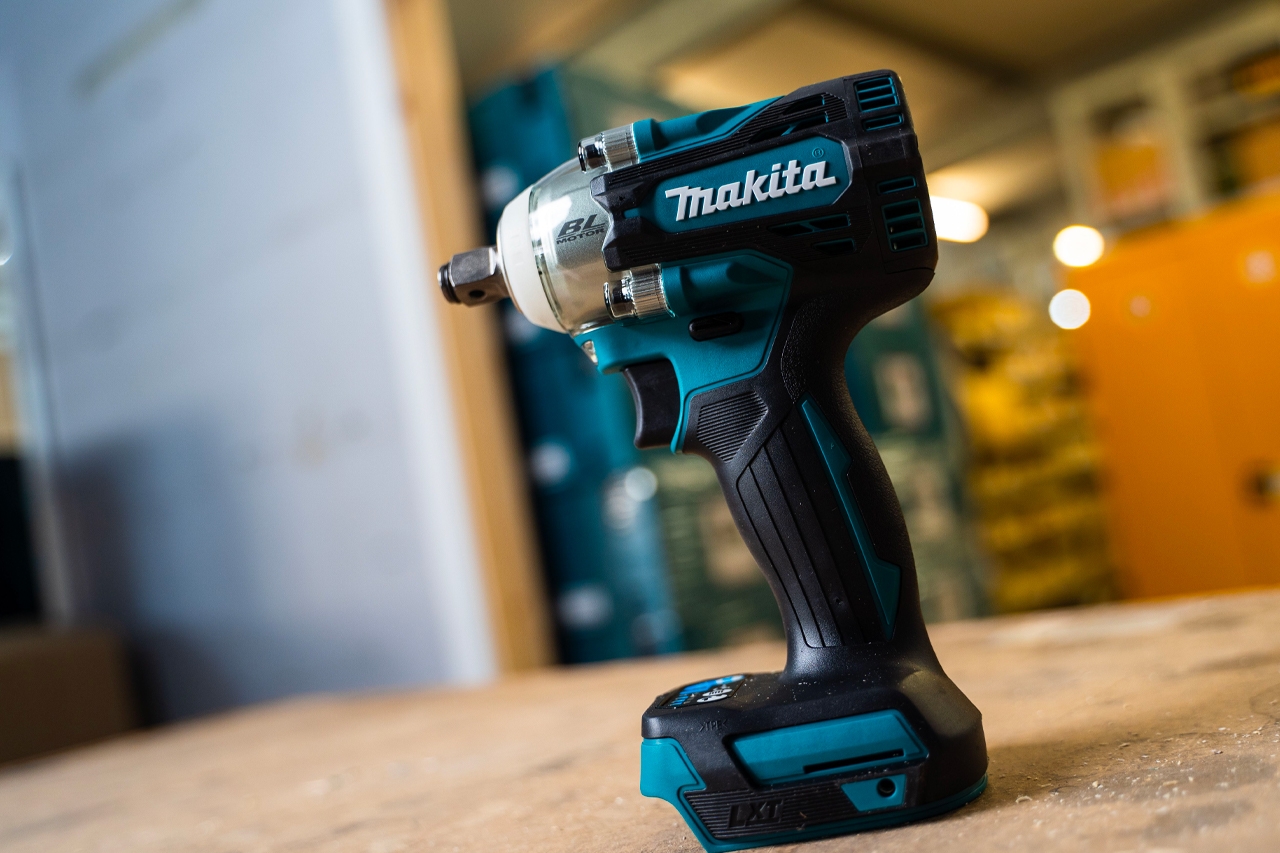
There are several types of cordless drills. A drill driver is best for drilling holes and driving screws. Hammer drills add a pounding action for tougher materials like concrete. Impact drivers deliver high torque for heavy fastening. Each type fits different tasks.
Key Features To Consider
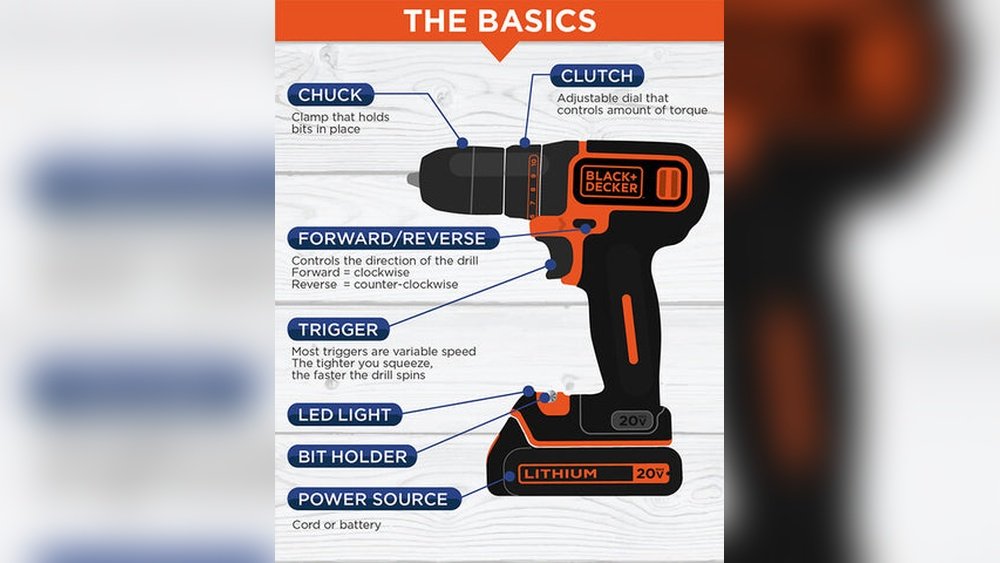
Look for adjustable speed settings for control. A comfortable grip reduces hand fatigue. A keyless chuck lets you change bits quickly. Built-in LED lights improve visibility in dark spaces. Size and weight matter for ease of use.
Battery Life And Charging
Battery life affects how long you can work. Lithium-ion batteries last longer and charge faster. Check the battery voltage for power strength. Some drills come with spare batteries for continuous work. Fast charging options help reduce downtime.
Credit: ronixtools.com
Safety Precautions
Using a cordless drill safely is very important. It helps prevent accidents and injuries. Taking safety steps makes your work easier and more effective. Follow simple rules to protect yourself and others.
Proper Handling Techniques
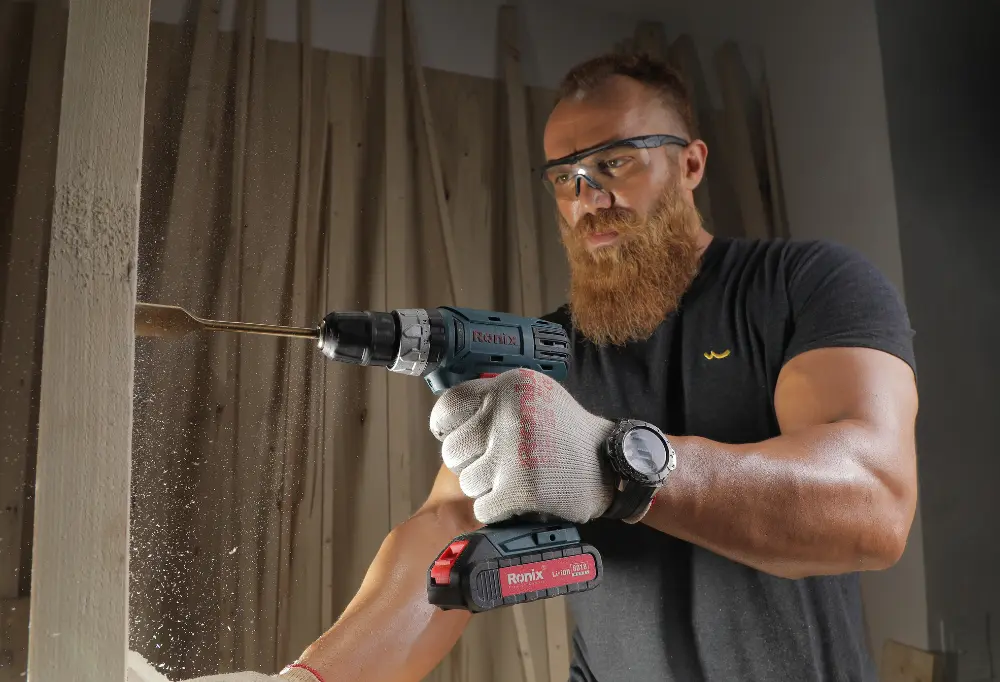
Hold the drill firmly with both hands. Keep your fingers away from the drill bit. Always check the drill bit is tight before starting. Use the right drill bit for your task. Do not force the drill; let it work at its own speed. Keep the drill steady to avoid slipping.
Using Safety Gear
Wear safety glasses to protect your eyes from dust and debris. Use gloves to protect your hands from cuts and blisters. Wear ear protection if you work in a loud area. Avoid loose clothing that can catch in the drill. Tie back long hair to keep it clear of the drill.
Avoiding Common Hazards
Check the work area for obstacles or hazards before drilling. Keep children and pets away from the work area. Avoid drilling near electrical wires or pipes. Make sure the drill battery is fully charged but not damaged. Stop working if you feel tired or distracted.
Preparing For Your Project
Preparing for your project is the first step to using a cordless drill safely and effectively. Proper preparation helps you avoid mistakes and finish your work faster. It also keeps you safe while working. Focus on three key areas before starting your drilling task.
Selecting The Correct Drill Bits
Choose the right drill bit for your material. Wood, metal, and masonry each need different bits. Using the wrong bit can damage your project and the drill. Check the size of the hole needed and pick a matching bit. Make sure the drill bit fits tightly in the chuck.
Marking And Measuring
Measure the spot where you want to drill carefully. Use a pencil or marker to make a clear dot. Double-check the measurements to avoid errors. Accurate marking helps you drill in the right place every time. Use a ruler or tape measure for better precision.
Setting Drill Speed And Torque
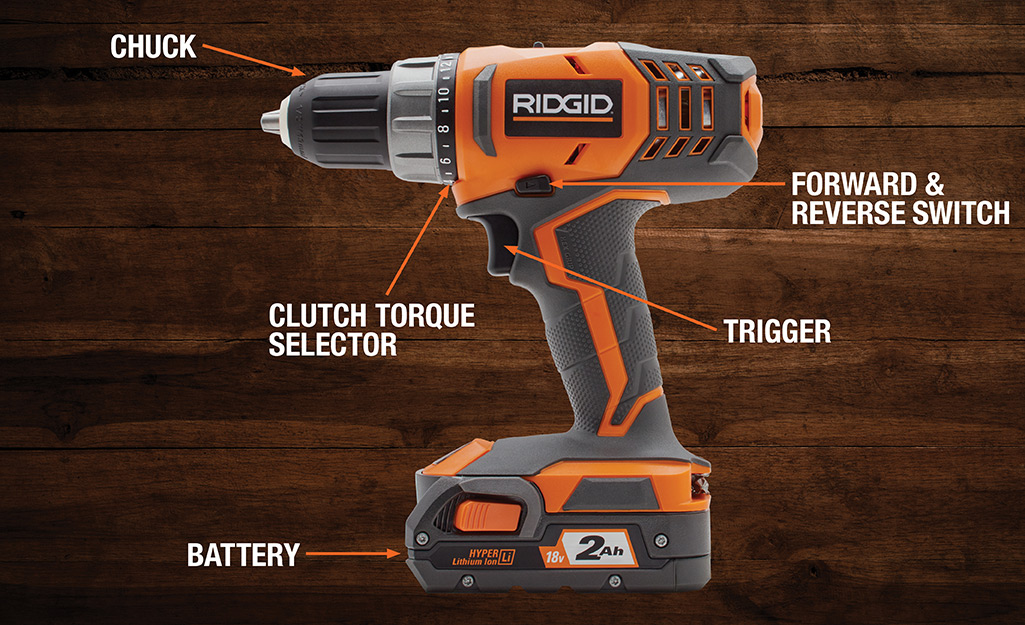
Adjust the drill speed based on your material. Lower speeds work best for metal and harder surfaces. Higher speeds suit wood and softer materials. Set the torque to control the drill’s power. High torque prevents the drill from stalling during tough jobs. Use the drill’s settings to match your project needs.
Credit: www.homedepot.com
Drilling Techniques
Drilling techniques are important to get clean and accurate holes. Using the cordless drill correctly helps you work faster and safer. Practice these simple steps to improve your drilling skills.
Starting The Drill
Hold the drill firmly with both hands. Place the drill bit on the spot you want to drill. Start the drill at a low speed to avoid slipping. Keep the drill steady until the bit bites into the material.
Maintaining Control And Pressure
Apply steady pressure while drilling. Do not push too hard; let the drill do the work. Keep the drill straight to prevent the bit from bending. If the drill slows down, reduce pressure slightly to avoid damage.
Drilling Different Materials
Wood: Use sharp bits and moderate speed for clean holes. Metal: Use slower speed and cutting oil to keep bits cool. Plastic: Use low speed and gentle pressure to avoid cracking. Adjust speed and pressure based on the material hardness.
Maintaining Your Cordless Drill
Maintaining your cordless drill is key to keeping it working well. Regular care helps the drill last longer and work better each time. Simple steps like cleaning, storing properly, and taking care of the battery make a big difference.
Cleaning And Storage Tips
Clean your drill after every use. Wipe off dust and dirt with a dry cloth. Avoid using water or harsh chemicals. Store the drill in a cool, dry place. Keep it away from direct sunlight and moisture. Use the original case if you have one. This protects the drill from damage and dust.
Battery Care And Replacement
Charge the battery fully before storing the drill. Do not leave the battery empty for a long time. Use the charger that came with your drill. Avoid overcharging to protect the battery life. Replace the battery if it holds less charge or stops working. Always buy batteries made for your drill model.
Troubleshooting Common Issues
Check the battery if the drill won’t start. Make sure it is charged and properly connected. Listen for strange noises during use; they may signal a problem. Tighten loose parts to avoid damage. Clean the chuck if the drill bit slips. Replace worn out parts as soon as possible.
Advanced Tips For Diy Success
Advanced tips help you get the best results from your cordless drill. These tips improve your skills and save time. Using the right methods makes your DIY projects easier and more precise. Explore how to use attachments, combine tools, and boost accuracy.
Using Drill Attachments
Drill attachments expand the drill’s use beyond simple drilling. You can add sanding pads, mixing paddles, or wire brushes. These attachments help with different tasks like sanding wood or mixing paint. Always choose the right attachment for the job. Secure attachments tightly before starting. This keeps the work safe and smooth.
Combining Tools For Efficiency
Using a cordless drill with other tools speeds up work. Pair the drill with a level to check straight lines. Use clamps to hold materials steady while drilling. This reduces mistakes and keeps hands safe. Plan your steps so tools work together. This saves time and effort during projects.
Improving Precision And Accuracy
Precision matters in every DIY project. Mark drilling spots clearly with a pencil or marker. Use a drill guide or jig to keep the bit steady. Drill slowly at first to avoid slipping. Keep the drill bit sharp and clean for better results. Check your work often to stay on track.
Credit: www.toolstoreuk.co.uk
Frequently Asked Questions
What Safety Tips Should I Follow Using A Cordless Drill?
Always wear safety goggles and gloves. Keep hair and loose clothing away. Use the right drill bit. Ensure battery is fully charged and drill is off before changing bits.
How Do I Choose The Right Drill Bit Size?
Match the drill bit size to your screw or hole requirements. Check manufacturer guidelines for precision. Using the correct size prevents material damage and ensures secure fastening.
How Can I Maximize Cordless Drill Battery Life?
Fully charge the battery before use. Avoid over-draining by stopping when power weakens. Store batteries in a cool, dry place. Use the correct charger to extend battery lifespan.
What Are Common Cordless Drill Maintenance Tips?
Clean the drill regularly to remove dust. Lubricate moving parts as recommended. Check and tighten screws. Store in a protective case to avoid damage and prolong life.
Conclusion
Using a cordless drill makes many tasks easier and faster. It fits in your hand and moves without a cord. Always choose the right drill bit for your job. Keep the battery charged and your drill clean. Practice safety by wearing goggles and working carefully.
With these simple steps, you can handle most drilling jobs at home. Start small, and soon you will feel more confident. A cordless drill is a handy tool for many projects. Try it out and see the difference yourself.
