

Are you wondering if your cordless drill can handle drilling through concrete? It’s a common question for DIY enthusiasts and homeowners ready to tackle tough projects.
You might be surprised to learn what your cordless drill can really do—and what it can’t. You’ll discover the truth about drilling into concrete with a cordless drill, including tips to make the job easier and when you might need to reach for a different tool.
Keep reading to find out how to get the best results without wasting time or effort.
Cordless Drill Basics
A cordless drill is a popular tool for many DIY projects and repairs. It uses a battery instead of a power cord. This makes it easy to carry and use anywhere. Understanding the basics helps you choose the right drill for your needs.
Cordless drills come in many types and have different features. Knowing these can help you decide if a cordless drill can drill through concrete or not.
Types Of Cordless Drills
There are two main types of cordless drills: standard drills and hammer drills. Standard drills work well for wood and metal. They spin the drill bit to make holes.
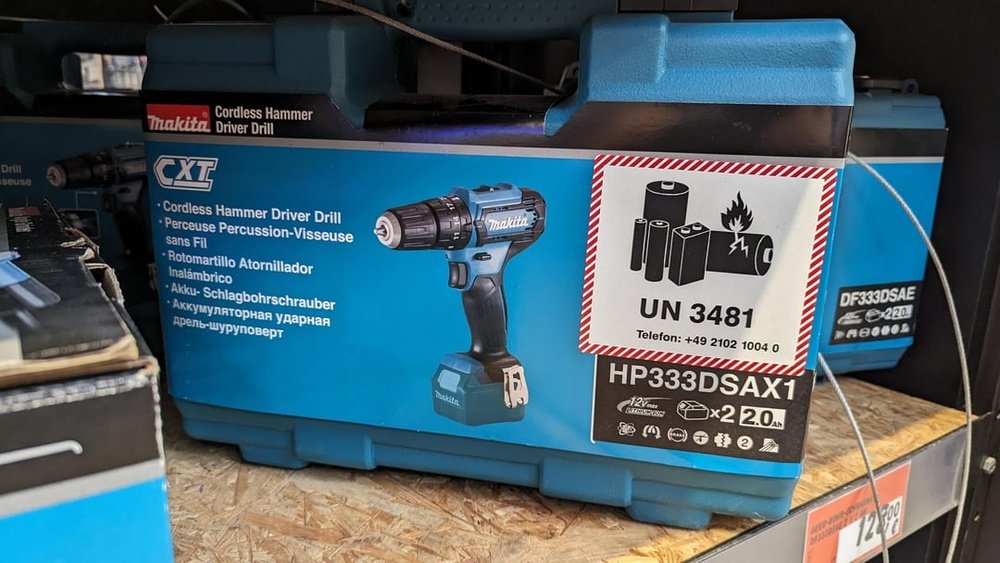
Hammer drills add a pounding action while spinning. This helps break tough materials like concrete. Hammer drills are better for heavy-duty jobs. Standard drills often struggle with concrete.
Key Features To Consider
Power is a key feature. Look at the voltage of the battery. Higher voltage means more power for tough jobs. Battery life is also important for long work sessions.
Speed and torque control help manage different materials. A drill with adjustable settings works well on wood and concrete. The drill bit type matters too. Masonry bits are designed for concrete.
Weight affects comfort and ease of use. Lighter drills reduce fatigue. Grip and balance help maintain control during drilling. Choose a drill that feels right in your hand.
Drilling Into Concrete Challenges
Drilling into concrete is not an easy task. It requires power, precision, and the right tools. Many people wonder if a cordless drill can handle concrete. The answer depends on several challenges that come with concrete drilling. Understanding these challenges helps you choose the best method.
Concrete is tough. It is made to support buildings and structures. This toughness makes drilling difficult. You need to know what makes concrete hard and what obstacles appear during drilling. This knowledge prepares you to work safely and effectively.
Concrete Composition And Hardness
Concrete is a mix of cement, sand, gravel, and water. The cement binds everything tightly. This creates a solid surface that can resist a lot of pressure. The hardness varies depending on the mix and how old the concrete is. Older concrete tends to be harder and more brittle.
The surface may have stones or rebar inside. These make drilling harder and slower. A regular drill bit might wear out quickly or break. A special masonry bit or hammer drill is better for this job. It can break through the hard material more easily.
Common Obstacles When Drilling
Concrete can hide many obstacles. Metal bars or wires, called rebar, are often inside. These bars strengthen the concrete but stop the drill. Hitting rebar can damage the drill bit or slow the work.
Another problem is dust. Concrete dust can clog the drill and block the hole. It reduces the drill’s power and can cause overheating. It is important to clear dust regularly while drilling.
Also, concrete can crack if drilled too fast or with too much force. Slow, steady pressure works best. Using the right speed and drill type helps prevent cracks and damage.
Choosing The Right Drill Bit
Choosing the right drill bit is key for drilling into concrete. The correct bit makes the job easier and protects your drill. Using the wrong bit can slow you down or damage your tools. Concrete is tough, so you need a strong, sharp bit designed for it.
Masonry Bits Explained
Masonry bits are made to drill into hard materials like concrete and brick. They have a special tip that cuts through stone and cement. These bits usually have a wider tip to break up the concrete as you drill. They work best with hammer drills but can fit cordless drills too. Masonry bits come in many sizes for different hole needs.
Carbide-tipped And Sds Bits
Carbide-tipped bits are stronger and last longer than regular masonry bits. The carbide tip stays sharp and handles tough concrete well. SDS bits have a special shank that locks into hammer drills for better power. SDS bits make drilling faster and easier in hard concrete. Both types are good, but SDS bits are best for heavy-duty jobs.

Credit: www.reddit.com
Power And Battery Considerations
Power and battery are key factors for drilling through concrete. A cordless drill must have enough strength to handle hard materials. Battery capacity and voltage affect drilling speed and depth. Understanding these details helps you choose the right tool for tough jobs.
Voltage And Torque Impact
Voltage shows the drill’s power level. Higher voltage means more force and faster drilling. Most cordless drills for concrete range from 18V to 20V. Torque is the twisting force that moves the drill bit. More torque makes drilling easier and cleaner. Low torque drills may stall or struggle on concrete. Choose a drill with strong voltage and torque for better results.
Battery Life And Performance
Battery life controls how long you can work without recharging. A large battery capacity means longer drilling sessions. Lithium-ion batteries are common for cordless drills. They charge quickly and last longer than older types. Battery performance also depends on temperature and usage. Carry extra batteries for continuous work on concrete surfaces.
Techniques For Drilling Concrete
Drilling into concrete is tough. It needs the right tools and methods. Using a cordless drill can work well with proper techniques. These techniques help you drill clean holes without damaging the drill or the surface.
Knowing how to control speed and pressure and using hammer mode properly makes a big difference. These tips improve your drilling and make the job easier and faster.
Drill Speed And Pressure Tips
Start with a low speed to prevent the drill bit from slipping. Slowly increase speed as the bit bites into the concrete. Too much speed can overheat the bit and damage it.
Apply steady, even pressure. Pressing too hard can break the bit or stop the drill. Too little pressure makes the drill spin without cutting. Find a balance to let the drill do the work.
Using Hammer Mode Effectively
Hammer mode helps the drill chip away at hard concrete. It combines rotation and quick hammering action. Use this mode for tougher concrete walls and floors.
Do not use hammer mode on delicate surfaces. It can crack or damage them. Switch to normal mode for wood or metal. Always check your drill’s settings before starting.
Safety Tips While Drilling
Drilling into concrete with a cordless drill requires careful attention to safety. Concrete is tough and can cause accidents if you are not cautious. Following safety tips helps protect you and your tools during the job.
Protective Gear Essentials
Wear safety goggles to shield your eyes from dust and debris. Use ear protection to guard against loud drilling noises. Gloves protect your hands from sharp edges and vibrations. A dust mask keeps you from breathing harmful particles. Dress in long sleeves and sturdy shoes for extra safety.
Preventing Drill Overheating
Concrete drilling creates a lot of heat. Stop drilling every few minutes to let the drill cool down. Avoid pushing too hard on the drill; let the bit do the work. Use the right drill bit made for concrete. Cooling the bit with water can also prevent overheating.
When To Use A Corded Or Hammer Drill
Choosing the right drill for concrete work depends on the task and material hardness. Corded drills offer steady power for heavy jobs. Hammer drills add impact force to make drilling easier in tough surfaces. Knowing when to use each type helps get the job done faster and cleaner.
Comparing Cordless And Corded Drills
Cordless drills give freedom to move without wires. They suit light to medium drilling tasks. Battery life limits long or hard jobs. Corded drills plug into power and run continuously. They deliver stronger, more consistent power. Ideal for drilling deep or dense concrete. Corded drills usually weigh less than cordless ones with batteries.
Benefits Of Hammer Drills For Concrete
Hammer drills combine rotation with a hammering action. The hammering breaks concrete as the bit spins. This makes holes faster and reduces effort. They work better than regular drills on hard surfaces. Hammer drills come in cordless and corded versions. Use hammer mode only on concrete, brick, or stone. It prevents damage to drill bits and motors.

Credit: www.youtube.com
Maintenance For Cordless Drills
Maintaining a cordless drill is key to its long life and strong performance. Regular care keeps the drill ready for tough tasks like drilling through concrete. Proper maintenance also saves money by avoiding early repairs or replacements.
Cleaning And Storage
After each use, clean dust and debris from the drill. Use a dry cloth or soft brush to wipe the surface. Avoid water or harsh chemicals to protect the drill’s parts. Store the drill in a cool, dry place. Keep it in its case or on a shelf away from moisture and heat. This prevents rust and damage to the drill.
Battery Care Tips
Charge the battery fully before first use. Avoid letting the battery drain completely. Store batteries in a cool, dry area. Remove the battery if you won’t use the drill for a long time. Use the charger made for your drill to avoid damage. Regularly check battery contacts for dirt or corrosion and clean them gently.

Credit: www.reddit.com
Frequently Asked Questions
Can A Cordless Drill Effectively Drill Through Concrete?
Yes, a cordless drill can drill through concrete if it has enough power and a hammer function. Use a masonry bit and start with a slow speed. For thicker concrete, a hammer drill is more efficient.
What Drill Bit Is Best For Concrete Drilling?
A carbide-tipped masonry bit is ideal for drilling into concrete. It is durable and designed to handle hard materials. Using the right bit ensures cleaner holes and extends the drill’s lifespan.
How Long Does It Take To Drill Concrete With A Cordless Drill?
Drilling time varies by concrete hardness and drill power. Typically, small holes take 30 seconds to a minute. Larger or reinforced concrete requires more time and patience to avoid overheating the drill.
Can A Cordless Drill Replace A Hammer Drill For Concrete?
A cordless drill can work on concrete but is slower and less efficient. Hammer drills deliver a percussive force that breaks concrete faster. For frequent or large jobs, a hammer drill is better.
Conclusion
A cordless drill can work on concrete with the right drill bit. It may take more time than a hammer drill. Choose a drill with high power and use a masonry bit. Drill slowly and apply steady pressure for best results.
Cordless drills are handy for small jobs or light concrete. For tough or large holes, a specialized tool is better. Knowing your tool helps you finish projects safely and well. Keep your drill charged and bits sharp to improve performance.
Simple tools can do the job with the right approach.
