


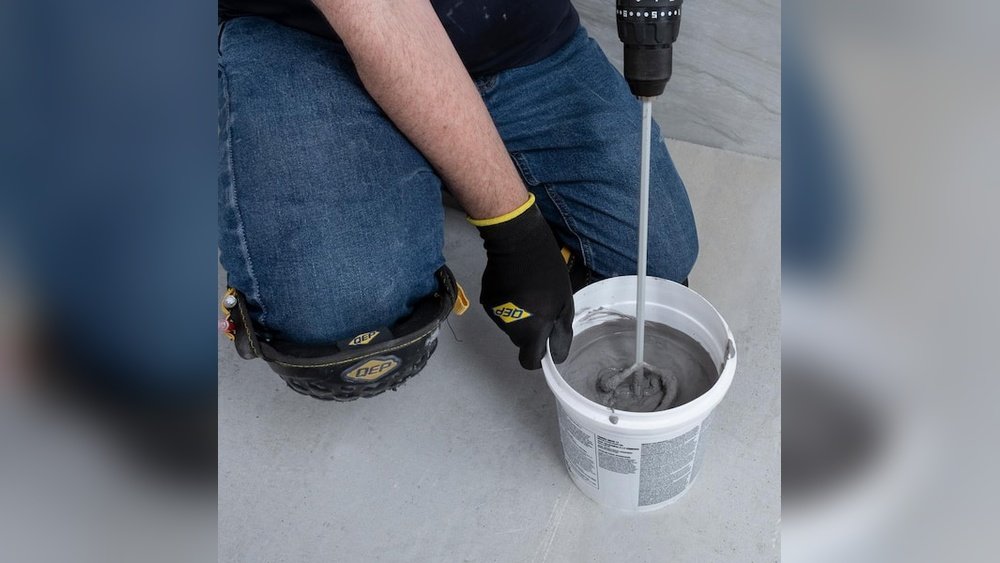
Are you wondering if you can mix thinset with a cordless drill? If you’ve ever faced the hassle of stirring thick, gritty thinset by hand, you know it’s no easy task.
Using the right tools can save you time and effort, but is a cordless drill the right choice? You’ll discover the pros and cons of mixing thinset with your cordless drill, plus tips to get the perfect consistency every time.
Keep reading to make your next tiling project smoother and more efficient.
Tools Needed For Mixing Thinset
Mixing thinset properly needs the right tools. Using a cordless drill can make the job easier. But you need more than just the drill. The right tools help you mix thinset smoothly and without lumps. They save time and effort. Let’s look at the tools needed for mixing thinset.
Choosing The Right Cordless Drill
Pick a cordless drill with enough power. A drill with at least 18 volts works well. Speed control is important to avoid splashing. A drill with a side handle gives better grip and control. Make sure the battery is fully charged for continuous work.
Selecting A Mixing Paddle
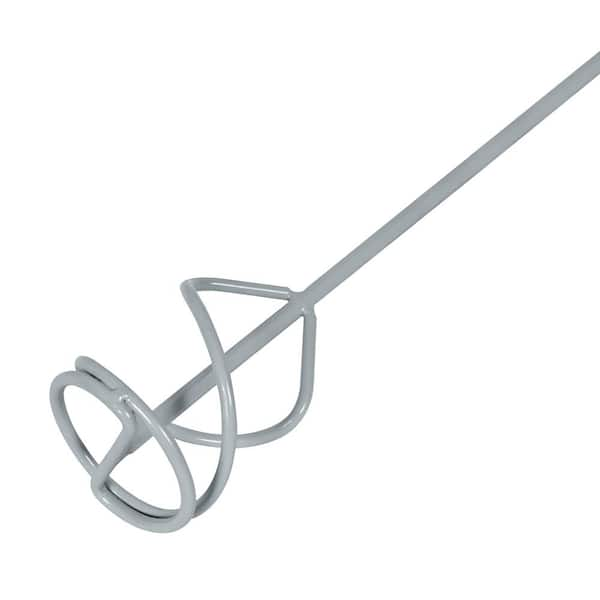
Use a mixing paddle designed for thinset or mortar. It attaches easily to the drill. The paddle should be sturdy and rust-resistant. A paddle with a spiral or cage design mixes thinset evenly. Avoid using paint mixers or other paddles that don’t fit well.
Additional Equipment
Use a clean bucket or mixing container. It should be large enough to hold the thinset and water. Have a measuring cup or scoop to add water accurately. Keep a trowel nearby to test the thinset’s consistency. Safety gear like gloves and goggles protects your hands and eyes.

Credit: www.youtube.com
Preparing Thinset For Mixing
Preparing thinset for mixing is a key step in any tiling project. Getting the right mix ensures the thinset will hold tiles firmly. Proper preparation helps avoid weak spots or cracking. This section covers the basics of measuring and mixing thinset.
Measuring Water And Powder
Start by measuring the powder and water carefully. Use the instructions on the thinset bag for exact amounts. Too much water makes the mix weak. Too little water makes it dry and hard to spread. Use a clean bucket for mixing. Pour the measured water first. Then slowly add the powder while stirring.
Ensuring Proper Consistency
Mix until the thinset looks like thick peanut butter. It should be smooth and easy to spread. Avoid lumps or dry spots in the mix. The right consistency helps the drill mix well. Too runny or too thick will cause problems during application. Test the mix by scooping some on a trowel. It should hold its shape without dripping.
Step-by-step Mixing Process
Mixing thinset with a cordless drill saves time and effort. The process is simple and quick. Follow these clear steps to get the best mix. Proper mixing ensures the thinset sticks well and lasts long.
Attaching The Paddle To The Drill
Choose a mixing paddle made for thinset. Insert the paddle into the drill’s chuck. Tighten the chuck firmly to hold the paddle in place. Check that the paddle spins freely without wobbling. This step prevents mess and ensures smooth mixing.
Mixing Techniques
Pour the powder into a clean bucket first. Slowly add water according to package instructions. Start the drill at low speed to avoid splashing. Move the paddle in a circular motion to mix evenly. Stop occasionally to scrape the sides and bottom.
Avoiding Common Mistakes
Do not mix too fast or thinset may splatter. Avoid adding too much water; the mix should be thick. Never mix dry powder and water in the drill bucket. Clean the paddle and drill after use to prevent damage. Proper care extends your tools’ life.
Benefits Of Using A Cordless Drill
Using a cordless drill to mix thinset offers many benefits. It makes the job easier and faster. Many people prefer cordless drills because they bring flexibility and power to small tasks like mixing thinset. These tools help improve work quality and reduce effort.
Efficiency And Speed
Cordless drills mix thinset quickly and evenly. The drill’s motor keeps a steady speed, preventing lumps. This saves time compared to mixing by hand. You can finish your project faster and with less mess. Consistent mixing also helps the thinset cure properly.
Portability And Convenience
Cordless drills do not need a power outlet nearby. You can use them anywhere on the job site or at home. This freedom allows you to move around without hassle. Cordless drills are light and easy to carry. Their compact size fits well in small spaces.
Potential Risks And Precautions
Mixing thinset with a cordless drill can save time and effort. Still, it carries some risks. Knowing these risks helps you avoid common mistakes. Taking the right precautions ensures a smooth mixing process. This section covers key risks and safety tips.
Overmixing Issues
Overmixing thinset can change its texture. It may become too runny or thick. This affects how well it sticks to surfaces. Overmixed thinset also loses strength. The final bond might not last long. Stir just enough to blend all ingredients. Stop mixing as soon as the mix is smooth.
Drill Speed Settings
High drill speed creates air bubbles in thinset. These bubbles weaken the mix and cause cracks. Use a low or medium speed setting. Slow mixing keeps the thinset consistent and strong. Avoid using the drill at full power. Controlled speed leads to better results.
Safety Tips
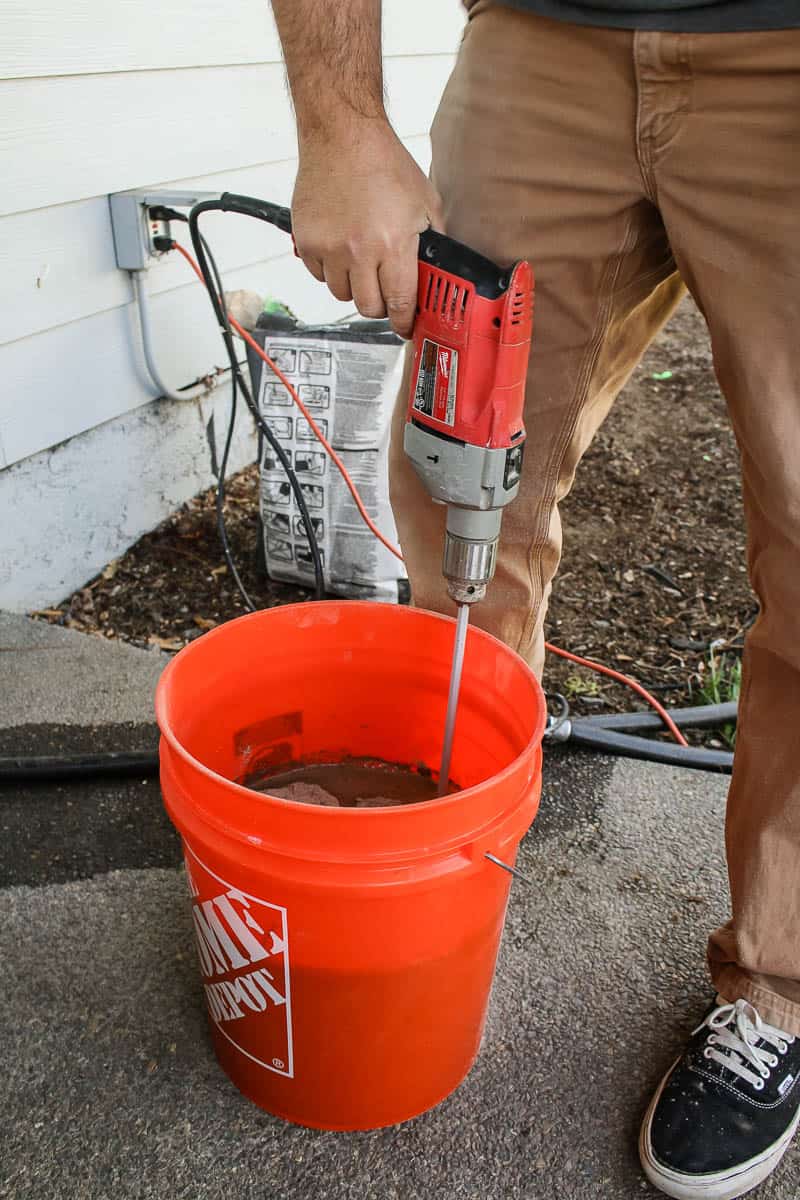
Wear safety goggles to protect your eyes from splashes. Gloves keep your hands safe from chemicals. Mix in a well-ventilated area to avoid breathing dust. Secure the drill bit tightly before starting. Keep the drill stable to prevent accidents. Clean tools immediately after use to avoid hard buildup.
Credit: www.makingmanzanita.com
Comparing Mixing Methods
Mixing thinset properly is key to a strong, even tile installation. Different methods affect texture and ease of mixing. This section compares common ways to mix thinset. Each method has clear benefits and some limits. Understanding these helps choose the best tool for your project.
Manual Mixing Vs Drill Mixing
Manual mixing uses a simple trowel or paddle. It takes more effort and time. The mix may have lumps if not stirred well. It works well for small batches or touch-ups.
Drill mixing uses a cordless drill with a mixing paddle. It speeds up the process and creates a smoother mix. The drill keeps the mix consistent and reduces lumps. It is ideal for larger jobs or frequent mixing.
Using Specialized Mixers
Specialized mixers are designed just for thinset and mortar. They attach to drills or stand alone. These mixers ensure a uniform, lump-free mix every time. They handle thicker mixes better than standard drill paddles.
These tools reduce strain on hands and save time. They are a smart investment for regular tilers or big projects. Specialized mixers deliver professional results with less hassle.
Expert Tips For Best Results
Mixing thinset with a cordless drill saves time and effort. To get the best results, you need to follow some expert tips. These tips help you achieve a smooth, lump-free mix every time. Proper mixing also increases the strength and durability of your tile work. Below are key points on mixing time, cleaning, and storage.
Optimal Mixing Time
Mix thinset just long enough to combine all ingredients well. Usually, 2 to 3 minutes is enough. Overmixing adds air bubbles and weakens the mix. Let the mixture rest for 5 minutes after mixing. Stir again briefly before using. This step ensures a consistent texture.
Cleaning And Maintenance
Clean your cordless drill and mixing paddle immediately after use. Thinset hardens quickly and is hard to remove later. Use water and a brush to remove all residue. Dry the tools well before storing. Regular cleaning keeps your equipment in good shape and ready for the next job.
Storage Recommendations
Store mixed thinset only if you plan to use it soon. Thinset begins to harden after 30 to 60 minutes. Keep unused thinset powder in a dry, cool place. Seal the bag tightly to avoid moisture. Proper storage keeps thinset fresh and effective for longer.
Credit: www.homedepot.com
Frequently Asked Questions
Can I Use A Cordless Drill To Mix Thinset?
Yes, you can use a cordless drill to mix thinset. Use a mixing paddle attachment for even blending. Ensure the drill has variable speed control to avoid splashing. Mixing thinset with a cordless drill saves time and effort compared to manual mixing.
What Drill Speed Is Best For Mixing Thinset?
Use a low to medium speed setting on your cordless drill. Speeds around 400-600 RPM work best to mix thinset thoroughly. High speeds may cause splashing and air bubbles, affecting the mixture’s consistency and strength.
Should I Use A Special Drill Attachment For Thinset?
Yes, use a mixing paddle attachment designed for mortars and adhesives. These paddles provide better mixing and prevent clumps. Avoid regular drill bits as they don’t mix thinset properly and can damage your drill.
Is Mixing Thinset With A Cordless Drill Safe?
Mixing thinset with a cordless drill is safe if you follow precautions. Wear protective gloves and goggles, and keep the drill steady. Ensure the drill is fully charged and use the correct speed settings to prevent accidents.
Conclusion
Mixing thinset with a cordless drill saves time and effort. It helps create a smooth, consistent mix for better tile work. Use the right drill speed and mixing paddle for best results. Avoid over-mixing to keep the thinset strong and workable.
Always follow safety tips while handling tools and materials. This method suits small to medium projects well. Try it out carefully for faster and easier tile installation.
