


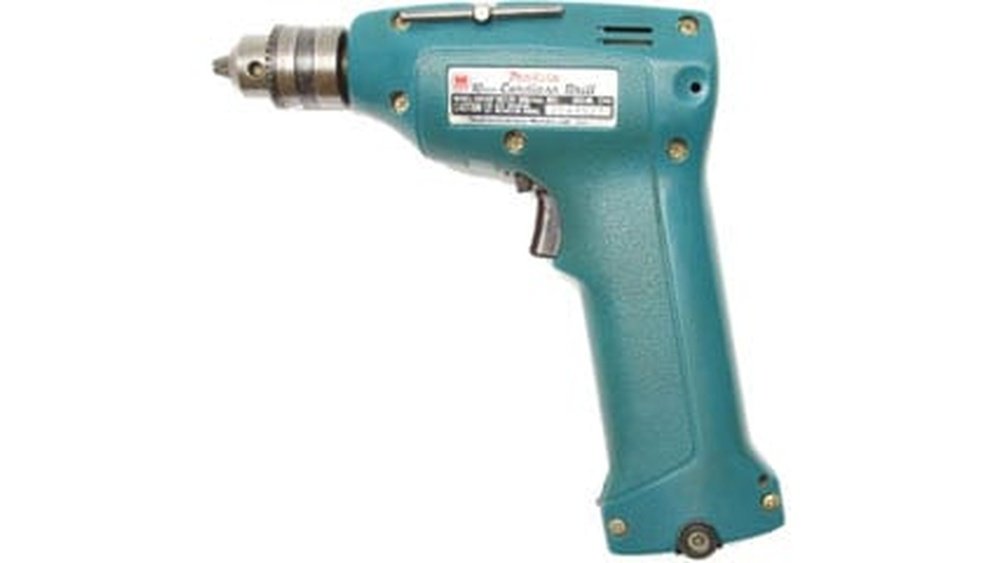
Have you ever wondered when the first cordless drill came out? Think about how much easier your projects have become thanks to this handy tool.
Knowing the story behind the cordless drill can change how you see your own DIY work and the tools you rely on every day. Keep reading, and you’ll discover the surprising origins of this game-changing invention and how it shaped the way you build, fix, and create.
Your next project might just feel a little more exciting after this.
Credit: www.protoolreviews.com
Early Drill Technology
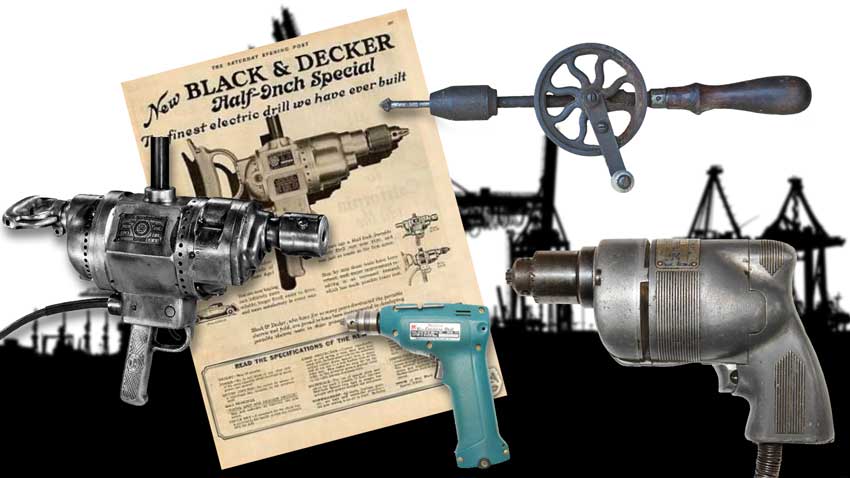
Drills have been essential tools for centuries. Early drill models were simple and manual. They needed human power to work. Over time, electric drills were introduced. These drills made work faster and easier. Yet, they had some limits that affected users.
Understanding these early tools helps us see why cordless drills came next. The need for better mobility grew as people used drills in many places. The story of drill technology shows how tools evolved to meet new needs.
Corded Drills And Limitations
Corded drills plugged into electrical outlets. They gave steady power for drilling tasks. These drills were strong and reliable. But, cords tied users to one spot. Moving far from an outlet was hard. Cords could get tangled or damaged. This made some jobs slow or unsafe.
Workers had to carry long extension cords. This added weight and difficulty. Outdoor or remote jobs became tricky. The cord limited freedom and speed. Many users wanted a solution to these problems.
Need For Portability
Users needed drills that worked anywhere. Portability became a key feature to improve. Without cords, drills could reach tight or far spots. This helped builders, electricians, and hobbyists. They could work in places without power sources.
Battery technology advanced to support portable drills. Batteries got smaller and lasted longer. This made cordless drills more practical. Portability became a big selling point. It changed how and where people used drills.
Birth Of The Cordless Drill
The cordless drill changed the way people work with tools. It gave freedom from power cords. Users could drill anywhere without limits. This innovation started in the mid-20th century. It combined technology and convenience in one tool.
Early inventors worked hard to create a reliable, portable drill. Their goal was to improve tool use on job sites. The cordless drill soon became a must-have for many professionals and DIYers.
Pioneering Inventors
The first cordless drill was invented by Black & Decker. They launched it in 1961. The key inventor was Alonzo Decker Jr. His team focused on battery and motor technology. This helped make the drill cordless and light.
Other inventors also contributed to cordless technology. They improved battery life and drill power. Their work shaped the drills we use today.
Initial Models And Features
The first cordless drills had nickel-cadmium batteries. These batteries were heavy but rechargeable. The drills were bulky and less powerful than corded ones. They had simple speed settings and basic controls.
Despite limits, these drills offered great mobility. Workers could drill in places without electricity. This feature made the cordless drill popular quickly.
Technological Breakthroughs
The first cordless drill was possible because of key technological breakthroughs. These breakthroughs focused on two main areas: batteries and motors. Both had to improve for cordless drills to work well and be useful.
Early cordless drills had short battery life and weak motors. They were heavy and not very powerful. Over time, new technologies made them lighter, stronger, and longer-lasting. This section explains these important advances.
Battery Innovations
Batteries used in early cordless drills were large and heavy. They held little charge and lost power quickly. Nickel-cadmium (NiCd) batteries were common first. They improved cordless drill use but had limits.
Nickel-metal hydride (NiMH) batteries came next. They held more power and were lighter. Then lithium-ion batteries appeared. These batteries are smaller and last much longer. They also charge faster and keep a steady power output.
Better batteries made drills easier to carry and use for longer times. Users could work without stopping often to recharge. Battery technology was key to making cordless drills popular.
Motor Advancements
Motors in early cordless drills were simple and not very efficient. They used brushed motors, which wore out quickly. These motors also lost power as batteries drained.
Brushless motor technology changed this. Brushless motors last longer and run cooler. They use battery power better, giving stronger and consistent torque. This means drills can handle tougher jobs with less effort.
Motor improvements paired with better batteries made cordless drills practical. Users gained more power and better battery life. This helped cordless drills become a standard tool in homes and workplaces.

Credit: www.reddit.com
Impact On Industry And Consumers
The arrival of the first cordless drill changed how industries and consumers worked. This tool brought freedom from wires and made jobs easier. It helped workers move quickly and work in tight spaces without limits. The cordless drill also affected buying habits and how people tackled projects at home.
Changes In Construction Practices
Construction sites became more flexible. Workers could reach places without carrying heavy cords. This saved time and effort. Projects finished faster with cordless drills. Safety improved as fewer cords meant fewer trips and falls. Builders could work outdoors or in remote areas without power sources. This tool also reduced the need for extra equipment.
Diy Culture Expansion
People started doing more home projects themselves. Cordless drills made tasks like hanging shelves or fixing furniture easier. Beginners felt more confident using simple, cordless tools. This boosted the popularity of DIY activities. More homes saw repairs and improvements without professional help. The cordless drill became a must-have in many toolboxes.
Evolution Over The Decades
The cordless drill has seen many changes since its first release. Each decade brought new improvements. These changes made the tool easier and safer to use. The drill grew more powerful and smarter over time. This evolution helped both professionals and hobbyists work better and faster.
Improved Battery Life
Early cordless drills had short battery life. Users needed to recharge often. Battery technology improved quickly. Nickel-cadmium batteries replaced older types. Later, lithium-ion batteries appeared. They last longer and charge faster. Today’s drills can run for hours on one charge. This change made cordless drills more reliable.
Ergonomic Designs
Old drills were heavy and hard to hold. Designers focused on comfort. Handles became softer and shaped to fit hands. Drills got lighter without losing power. These designs reduce hand fatigue. Users can work longer without pain. Ergonomics also improved safety during use.
Smart Features Integration
New drills include smart features. Some have adjustable speed controls. Others show battery status on displays. Some models connect to smartphones for settings. These features help users work more precisely. Smart tools also protect the drill from damage. The integration of technology made drills easier to use and more efficient.
Future Of Cordless Drills
The future of cordless drills holds many exciting possibilities. Technology keeps evolving, making these tools better and easier to use. New features will help people work faster and more efficiently. Cordless drills will become more powerful while staying lightweight and compact. Battery life will improve, allowing longer use without charging. Safety and comfort will also be key focuses as designs advance.
Emerging Technologies
Smart technology will play a big role in cordless drills. Sensors can adjust speed and power based on the task. Bluetooth connectivity might allow control through smartphones. Artificial intelligence could help predict maintenance needs. Brushless motors will become more common for better efficiency. Wireless charging may replace traditional plugs for convenience.
Sustainability And Efficiency
Batteries will become more eco-friendly and last longer. Manufacturers focus on recyclable materials for parts and packaging. Energy-efficient designs will reduce power waste during use. Lightweight materials will lower the environmental impact of production. Tools will be built to last, reducing the need for replacements. All these changes aim to create more sustainable cordless drills.
Credit: www.reddit.com
Frequently Asked Questions
When Was The First Cordless Drill Invented?
The first cordless drill was invented in 1961 by Black & Decker. It revolutionized drilling by eliminating the need for power cords, enhancing mobility and convenience for users.
Who Created The First Cordless Drill?
Black & Decker created the first cordless drill in 1961. Their innovation set the foundation for modern portable power tools.
How Did The First Cordless Drill Impact Tool Usage?
The first cordless drill allowed users to work without power outlets. It improved efficiency, portability, and safety on job sites and home projects.
What Technology Powered The First Cordless Drill?
The first cordless drill used Nickel-Cadmium (NiCd) batteries. These rechargeable batteries provided enough power for cordless operation, despite being heavier than modern alternatives.
Conclusion
The first cordless drill changed how people work with tools. It made drilling easier and more flexible. No cords meant better movement and less hassle. Since then, drills keep getting better and lighter. Knowing its history helps us appreciate today’s technology.
Cordless drills remain useful for many tasks. They blend power with convenience. This tool’s journey shows progress in everyday work. A simple idea led to big improvements. The cordless drill still plays a key role in homes and jobs.
