



Are you planning to travel with your cordless drill but unsure if you can pack it in your luggage? You might be wondering what the rules say and how to avoid problems at airport security.
Carrying tools like cordless drills can be tricky, but knowing the right steps can save you time, stress, and even extra fees. Keep reading to find out exactly what you need to know to travel smoothly with your cordless drill.
Cordless Drill And Air Travel Rules
Traveling with a cordless drill requires knowing air travel rules. These rules keep everyone safe. Airlines and airports have clear guidelines for power tools. Batteries in cordless drills need special attention.
Airline Regulations On Power Tools
Airlines allow cordless drills in checked luggage. Some may require you to pack the drill in carry-on bags. Always check the airline’s specific rules before packing. Some airlines limit the size and type of tools. Carrying sharp or heavy tools may need extra approval.
Security Screening Procedures
At security checkpoints, cordless drills will be screened. Security officers might ask you to take the drill out of your bag. The drill could be inspected for safety reasons. Clear packaging helps speed up the process. Being calm and cooperative makes screening easier.
Battery Restrictions And Guidelines
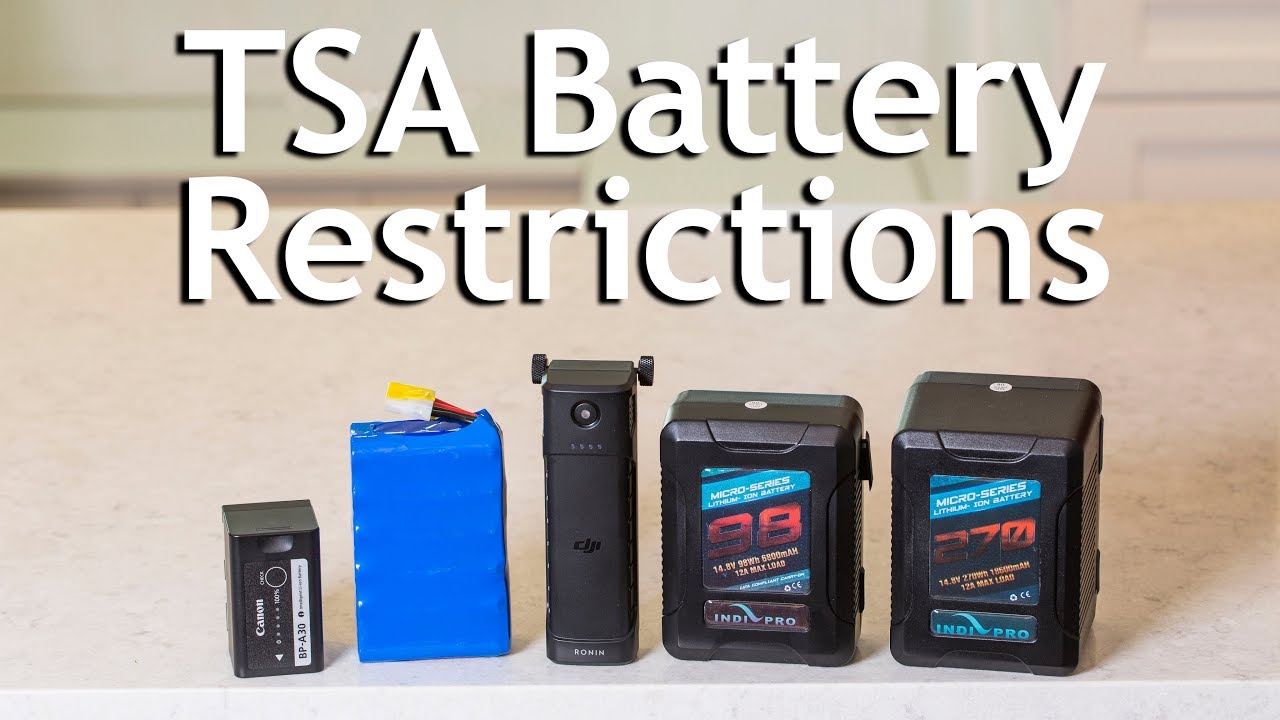
Batteries in cordless drills are often lithium-ion. Airports limit lithium battery sizes for safety. Most airlines allow batteries under 100 watt-hours in luggage. Larger batteries may need airline approval or must be carried separately. Always remove batteries if possible and pack them safely.
Credit: www.reddit.com
Packing Your Cordless Drill Safely
Packing a cordless drill for travel needs care. Proper packing protects the tool and ensures safety during the trip. Follow simple steps to keep your drill secure and avoid problems at security checks.
Focus on removing batteries, using protective cases, and preventing accidental activation. These steps reduce risks and make travel easier.
Removing Batteries Before Travel
Always remove the batteries from your cordless drill before packing. Batteries can cause sparks or short circuits. Airlines and security rules often require this step. Keep batteries in a separate case or bag. This prevents damage and keeps everything safe.
Using Protective Cases
Use a hard or padded case for your drill. Cases protect the drill from bumps and drops. They also keep parts from moving inside your luggage. Choose a case that fits your drill snugly. This helps avoid scratches and damage during travel.
Preventing Accidental Activation
Accidental activation can cause injury or damage. Lock the drill’s trigger or use a safety cover if available. Make sure the drill is off before packing. Check the drill once packed to ensure it cannot turn on by mistake.
Checked Luggage Vs Carry-on: What’s Allowed
Traveling with tools like a cordless drill requires knowing the rules for luggage. Airlines have clear limits on what you can pack in checked bags versus carry-ons. This guide helps you understand where you can safely pack your cordless drill.
Rules For Checked Bags
Most airlines allow cordless drills in checked luggage. The drill’s battery must meet airline rules for batteries. Usually, lithium-ion batteries under 100 watt-hours are allowed. Remove the battery if you can and pack it separately. Tape battery terminals to avoid short circuits. The drill should be turned off and secured. Packing the drill in a sturdy case helps protect it.
Rules For Carry-on Bags
Carrying a cordless drill on board is harder. Many airlines forbid tools with lithium batteries in carry-ons. Batteries over 100 watt-hours usually need special approval. The drill must fit in your bag without causing trouble at security. Security may ask you to remove the drill for inspection. Be ready to explain what it is. Always check your airline’s rules before packing.
Comparing Risks And Convenience
Packing a cordless drill in checked luggage lowers the chance of security issues. It also protects you from carrying heavy tools through the airport. Carrying it on board gives you quick access but raises security questions. Batteries in checked bags face stricter airline rules. Think about your trip length and battery size before deciding. Safety and convenience both matter when packing tools.
Tips For Traveling With Lithium Batteries
Traveling with lithium batteries requires care and knowledge. Airlines have strict rules for safety. Knowing these rules helps avoid delays or problems. Follow clear guidelines to carry your cordless drill and batteries safely.
Battery Size And Quantity Limits
Airlines limit battery size and number. Most allow batteries under 100 watt-hours in carry-on luggage. Larger batteries need airline approval. You can usually carry two spare batteries. Check the watt-hour rating on your battery label.
Packaging And Labeling Batteries
Pack batteries to stop short circuits. Cover battery terminals with tape or place in separate plastic bags. Use original packaging if possible. Label batteries clearly if required. This helps airport security identify the batteries safely.
Avoiding Common Mistakes
Do not put spare batteries in checked luggage. Avoid loose batteries in bags. Never carry damaged or swollen batteries. Always read airline rules before your trip. These steps reduce risk and make travel smoother.
Alternatives To Carrying Your Cordless Drill
Carrying a cordless drill in your luggage might not always be possible. Airlines have strict rules about batteries and power tools. Finding other options helps avoid travel hassles. Several alternatives let you complete your tasks without bringing your drill.
Renting Tools At Your Destination
Many places offer tool rentals for short-term use. Renting a cordless drill is easy and cost-effective. It saves you from carrying heavy equipment. Local hardware stores or rental shops usually have what you need.
Shipping Tools Separately
Sending your cordless drill by mail or courier is an option. This avoids airport security problems. Make sure to pack the drill safely. Check shipping rules about batteries and power tools before sending.
Using Corded Or Manual Alternatives
Corded drills do not have batteries, so they are often allowed. Manual hand drills work well for small jobs. These tools are lighter and simpler to carry. They can be a good substitute for cordless drills during travel.
Credit: www.youtube.com
Credit: www.ingco.com
Frequently Asked Questions
Can I Pack A Cordless Drill In Checked Luggage?
Yes, you can pack a cordless drill in checked luggage. Remove the battery and carry it separately in your carry-on for safety. Airlines often restrict lithium batteries in checked bags due to fire risks.
Are Cordless Drill Batteries Allowed In Carry-on Bags?
Most airlines allow cordless drill batteries in carry-on bags only. Batteries must be protected from short circuits and damage. Always check airline policies before traveling.
Do I Need To Declare A Cordless Drill At Airport Security?
You do not usually need to declare a cordless drill at security. However, separate the battery and comply with airline rules to avoid issues.
Can I Carry A Cordless Drill On A Plane?
You can carry a cordless drill on a plane if batteries are removed. Carry batteries in your hand luggage following airline safety guidelines.
Conclusion
Traveling with a cordless drill needs careful thought. Airlines often have strict rules about tools and batteries. Packing the drill in checked luggage may cause delays or extra checks. Carrying it in hand luggage might not always be allowed. Always check the airline’s policy before you fly.
Proper packaging helps avoid damage or safety issues. This small effort keeps your trip smooth and stress-free. Stay safe and follow the rules for a worry-free journey.
