



Are you planning to take your cordless drill on a trip but wondering if you can bring its batteries along? You’re not alone.
Traveling with cordless drill batteries can be tricky because they are considered hazardous by airlines and transport services. Knowing the rules can save you from unexpected delays, extra fees, or even having your batteries confiscated. Keep reading to discover exactly what you need to know to travel safely and hassle-free with your cordless drill batteries.
Travel Regulations For Cordless Drill Batteries
Traveling with cordless drill batteries requires understanding specific rules. These batteries contain lithium-ion cells that can be hazardous if not handled properly. Airlines and transport authorities regulate their carriage to ensure safety. Knowing these regulations helps avoid delays and fines. Here is a clear guide on travel rules for cordless drill batteries.
Airline Policies
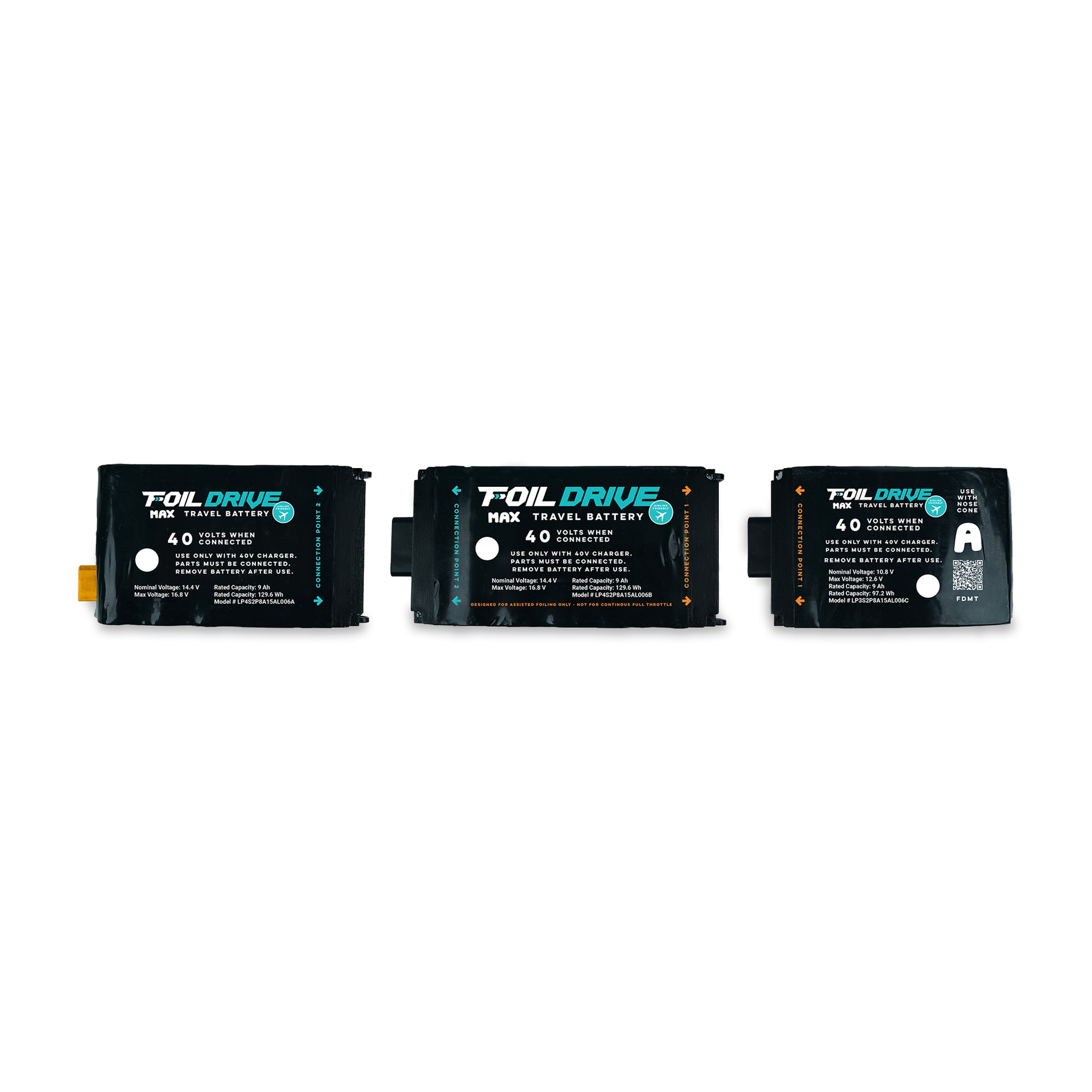
Most airlines allow cordless drill batteries in carry-on bags only. Batteries must be removed from the drill and protected against short circuits. Airlines limit battery capacity, usually up to 100 watt-hours. Larger batteries need airline approval. Check with the airline before your flight to confirm their rules.
International Rules
International travel has similar battery rules but may differ by country. The International Air Transport Association sets guidelines for lithium batteries. Some countries require batteries to be declared at security checkpoints. Always check the destination country’s rules before packing. This avoids surprises at customs or security.
Ground Transportation Guidelines
Ground transport rules are less strict but still important. Keep batteries in original packaging or cover terminals with tape. Avoid storing batteries with metal objects to prevent short circuits. Some bus and train companies have specific rules for battery transport. Confirm these rules before your trip to stay safe.
Credit: foildrive.com
Types Of Batteries In Cordless Drills
Cordless drills use different types of batteries to power their tools. Knowing the battery type helps understand travel rules. Some batteries are safer and allowed on planes. Others need special care or are restricted.
Each battery type has unique features. These affect weight, charging time, and travel safety. Let’s explore common battery types in cordless drills.
Lithium-ion Batteries
Lithium-ion batteries are popular in modern cordless drills. They are light and hold a charge long. These batteries charge quickly and last many cycles. Airlines usually allow them but with limits on size and quantity. They must be in carry-on luggage for safety. Protect battery terminals from short circuits during travel.
Nickel-cadmium Batteries
Nickel-cadmium (NiCd) batteries are older but still used. They are heavier and have less charge capacity. NiCd batteries can handle rough use and cold weather better. Some airlines restrict large NiCd batteries. Carry them in original packaging or cover terminals. Check airline rules before traveling with NiCd batteries.
Other Battery Types
Other less common batteries include nickel-metal hydride (NiMH) and sealed lead acid (SLA). NiMH batteries are safer than NiCd but less common in drills. SLA batteries are heavy and mostly for large tools. Travel with these batteries may have strict rules. Always verify battery type and airline policies before flying.
Packing Tips For Battery Safety
Traveling with cordless drill batteries requires careful packing to keep them safe. Proper packing prevents damage and reduces risks during your trip. Follow these simple tips to handle batteries correctly.
Proper Insulation
Wrap each battery in a soft cloth or bubble wrap. This protects against bumps and drops. Avoid loose packing that lets batteries move around. Keep batteries separate from metal objects to prevent sparks.
Avoiding Short Circuits
Cover battery terminals with tape or plastic caps. This stops metal from touching the terminals and causing a short circuit. Never pack batteries with loose metal items like coins or keys. Keep terminals clean and dry for safety.
Using Original Packaging
Use the original packaging for your cordless drill batteries if possible. It is designed to hold batteries securely. Original boxes have separators to stop batteries from touching each other. If you don’t have the box, use a sturdy container with padding.
Handling Batteries During Travel
Traveling with cordless drill batteries needs careful handling. Batteries can be sensitive to temperature, pressure, and damage. Mishandling may cause leaks or fires during travel. Knowing how to handle these batteries keeps you safe and avoids travel troubles.
Temperature Considerations
Keep batteries away from extreme heat or cold. High temperatures can cause overheating and damage. Freezing cold may reduce battery power temporarily. Store batteries in a cool, dry place during travel. Avoid leaving them in direct sunlight or inside hot cars.
Storage Precautions
Store batteries in their original case or a plastic container. Prevent metal objects from touching battery terminals. Avoid loose batteries in bags or pockets. Secure batteries to stop movement and avoid short circuits. Carry batteries in carry-on luggage for better control and safety.
Dealing With Damaged Batteries
Do not use or travel with damaged batteries. Signs include swelling, leaking, or unusual smells. Place damaged batteries in a non-flammable container. Dispose of them at a proper recycling center. Contact airline or transport authority for specific rules on damaged batteries.
Legal Restrictions And Penalties
Traveling with cordless drill batteries requires knowing the legal rules. These batteries contain lithium, which can be risky during flights. Airlines and governments set strict limits to keep passengers safe. Ignoring these rules can lead to serious problems. Understanding legal restrictions and penalties helps avoid trouble at the airport.
Common Prohibited Items
Many items are banned on planes due to safety risks. Loose lithium batteries often appear on this list. Spare cordless drill batteries usually cannot go in checked bags. Some airlines allow them only in carry-on luggage. Damaged or recalled batteries are strictly forbidden. Always check your airline’s specific rules before packing.
Consequences Of Non-compliance
Breaking battery rules can cause delays and fines. Airport security may confiscate your batteries. You might face penalties from local authorities. In some cases, illegal items lead to arrest. Airlines can deny boarding if rules are not met. Following guidelines ensures smooth travel without penalties.

Credit: www.youtube.com
Alternative Solutions For Transporting Batteries
Transporting cordless drill batteries can be tricky due to safety rules. These batteries are often lithium-ion, which airlines and transport services regulate strictly. Finding alternative solutions helps avoid delays or confiscation during travel. Several options exist to move these batteries safely and legally.
Shipping Services
Specialized shipping services handle batteries with care. They follow rules for packaging, labeling, and documentation. These services reduce risks during transit and meet safety standards. Using a reliable shipper ensures your batteries reach the destination without issues. Check if the shipper accepts lithium-ion batteries before sending.
Battery Removal Options
Removing batteries from tools before travel is a safe practice. Carrying batteries separately allows better control and inspection. Store batteries in original packaging or insulated containers to prevent short circuits. Some airlines require batteries to be carried in carry-on bags only. Removing batteries also lowers the risk of damage during transport.
Credit: www.youtube.com
Frequently Asked Questions
Can I Bring Cordless Drill Batteries On A Plane?
Yes, you can bring cordless drill batteries on a plane. Airlines allow lithium-ion batteries in carry-on luggage only. Check airline rules for battery capacity limits before traveling.
Are There Restrictions On Battery Size For Flights?
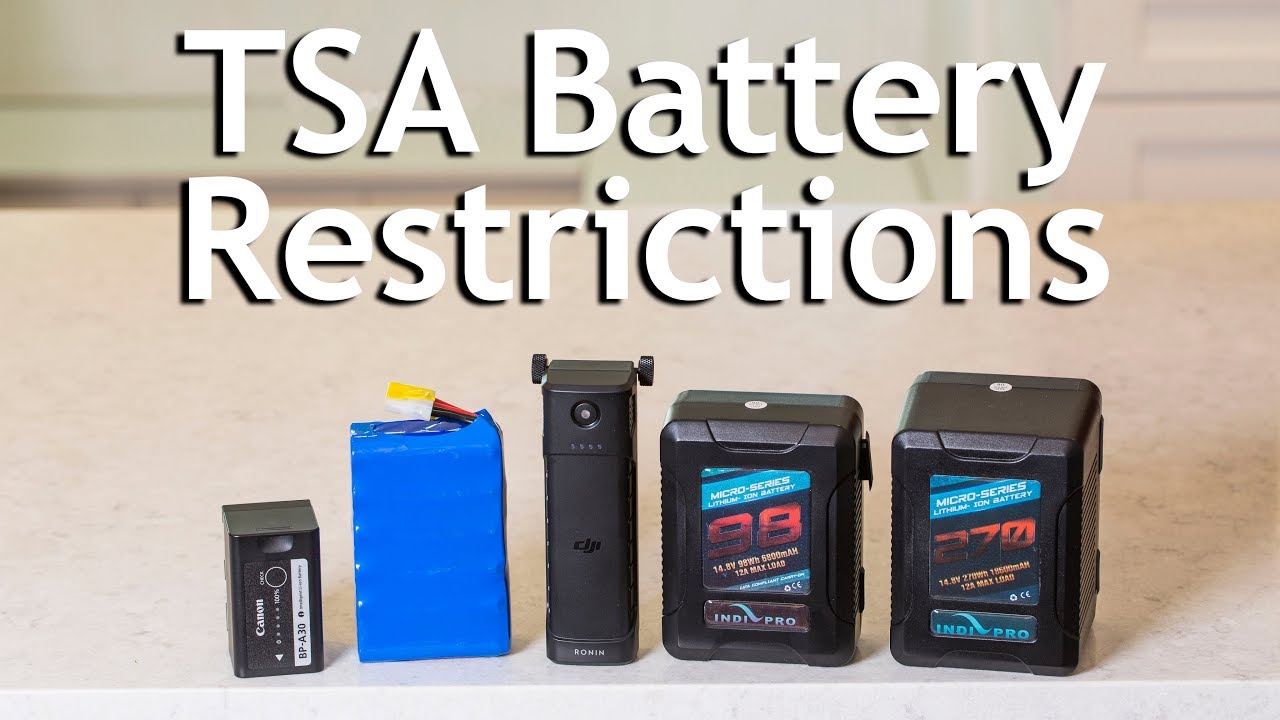
Most airlines restrict lithium-ion batteries over 100Wh. Batteries between 100Wh and 160Wh need airline approval. Always confirm specific airline policies to avoid issues.
How Should I Pack Cordless Drill Batteries For Travel?
Pack batteries in original packaging or a protective case. Keep terminals covered to prevent short circuits. Carry batteries in your carry-on, never in checked luggage.
Can I Check-in Cordless Drill Batteries With My Luggage?
No, airlines generally prohibit lithium-ion batteries in checked baggage. Always carry cordless drill batteries in your hand luggage for safety compliance.
Conclusion
Traveling with cordless drill batteries needs some careful planning. Airlines have strict rules for carrying batteries on planes. Always check battery type, size, and charge limits before flying. Carry batteries in your carry-on bag for safety. Protect battery terminals from short circuits using tape or cases.
Following these steps helps you avoid delays and keeps you safe. Stay informed about airline policies to travel without trouble. Safe travels with your cordless drill batteries!
