


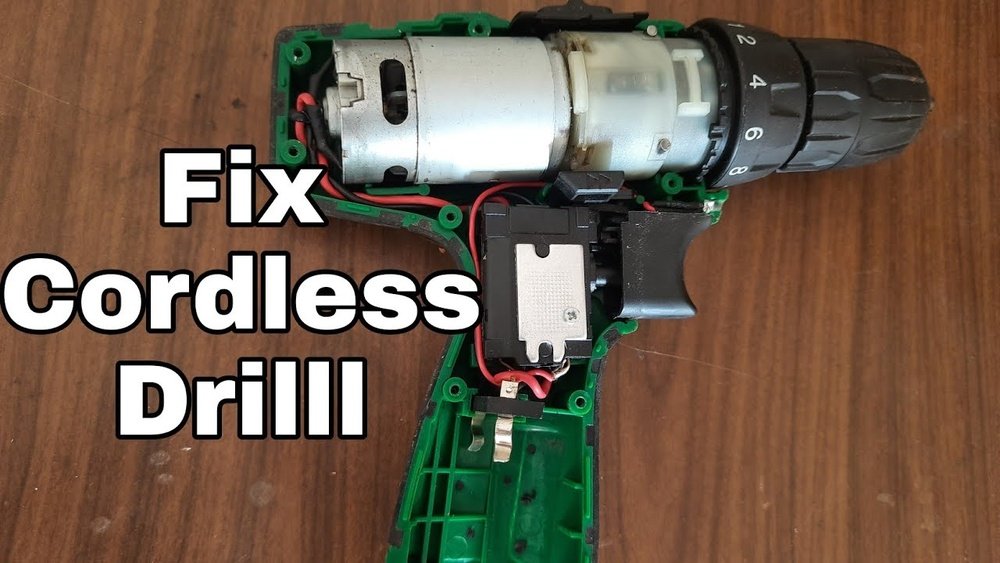
Is your cordless drill acting up right when you need it most? You’re not alone.
A drill that won’t start or loses power can bring your project to a frustrating halt. But before you toss it out or rush to buy a new one, there’s good news: many common problems with cordless drills are easier to fix than you think.
In this guide, you’ll discover simple, step-by-step solutions to get your drill working like new again. Stick with me, and by the end, you’ll save time, money, and avoid unnecessary stress. Ready to bring your drill back to life? Let’s get started!
Common Cordless Drill Issues
Cordless drills are handy tools used by many for home projects and repairs. They save time and effort but sometimes stop working properly. Knowing common problems helps fix them fast. This section explains frequent issues you might face with cordless drills.
Battery Problems
Batteries lose power after many uses. The drill may not start or work weakly. Check if the battery is fully charged. Dirty or corroded contacts can stop power flow. Clean the contacts gently with a cloth. Sometimes, batteries need replacement when they no longer hold charge.
Motor Malfunctions
The motor makes the drill spin. It can wear out or get dirty. A burnt smell or no spinning means motor trouble. Dust inside the drill can cause overheating. Cleaning the motor area can help. If the motor is broken, it may need repair or replacement.
Chuck And Bit Issues
The chuck holds the drill bit in place. Sometimes it gets stuck or loose. A stuck chuck stops bit changes. Tighten or loosen the chuck by hand or with a tool. Worn-out chucks may not hold bits properly. Replace the chuck if it cannot grip securely.
Trigger And Switch Faults
The trigger controls the drill’s power. It can wear out or break. If the drill does not start or stops suddenly, check the trigger. Dust or dirt can block the switch. Clean it carefully. A faulty switch might need a new part to fix the drill.
Credit: inventorartist.com
Tools Needed For Repairs
Fixing a cordless drill requires the right tools. Having proper equipment makes repairs easier and safer. This section lists the tools needed for basic cordless drill repairs. Use these tools to check parts, replace components, and clean your drill effectively.
Basic Hand Tools
Start with simple tools. A set of screwdrivers is essential. Both Phillips and flathead types help open the drill casing. Pliers come in handy for gripping and pulling small parts. A small wrench can tighten or loosen bolts. Tweezers help handle tiny screws and parts. These tools cover most basic tasks.
Specialized Equipment
Some repairs need special tools. A multimeter tests the battery and wiring for faults. A soldering iron fixes broken electrical connections. Use a small brush to clean dust from the motor and vents. A replacement battery or motor parts might be necessary. These tools help with detailed and technical repairs.
Safety Gear
Safety is important during repairs. Wear safety goggles to protect your eyes from dust and debris. Use gloves to avoid cuts and protect your hands. Keep a clean workspace to prevent accidents. Proper safety gear reduces injury risks and makes the repair process smoother.
Fixing Battery Issues
Battery problems often cause cordless drills to stop working. Fixing these issues can bring your drill back to life. Understanding the battery’s condition is the first step. Cleaning and replacing parts may also be necessary. These simple steps save money and extend your drill’s life.
Testing The Battery
Start by checking the battery charge. Use a multimeter to measure the voltage. Compare the reading to the battery’s rated voltage. Low voltage means the battery is weak or dead. Try charging the battery fully. If it still won’t hold a charge, the battery needs replacement.
Cleaning Battery Contacts
Dirty contacts block power flow. Remove the battery from the drill. Inspect the metal contacts on both battery and drill. Use a small brush or cloth to clean off dirt and corrosion. A little rubbing alcohol helps remove stubborn grime. Clean contacts improve connection and power delivery.
Replacing The Battery Pack
Old batteries lose their ability to hold charge. Find a replacement battery that fits your drill model. Remove the old battery pack carefully. Insert the new one firmly into place. Test the drill to ensure it powers on. Proper battery replacement restores full drill function.

Credit: www.ifixit.com
Repairing Motor Problems
Motor problems are common in cordless drills. They can cause the drill to stop working or lose power. Fixing motor issues can extend the life of your drill. It also saves money on repairs or replacements. Simple checks and maintenance often solve motor troubles quickly.
Checking For Overheating
Overheating is a frequent cause of motor failure. The motor may feel very hot after use. This can damage internal parts or cause the drill to stop. Let the drill cool down if it gets too hot. Check for blocked air vents or dirt buildup. Clear any dust or debris to improve airflow. Use the drill in short bursts to avoid overheating.
Cleaning Or Replacing Brushes
Brushes help transfer electricity to the motor. Worn or dirty brushes can stop the motor from working. Open the drill casing carefully to find the brushes. Check if they look worn or blackened. Clean them gently with a soft cloth or replace them if needed. New brushes restore good electrical contact and improve motor power.
Lubricating Moving Parts
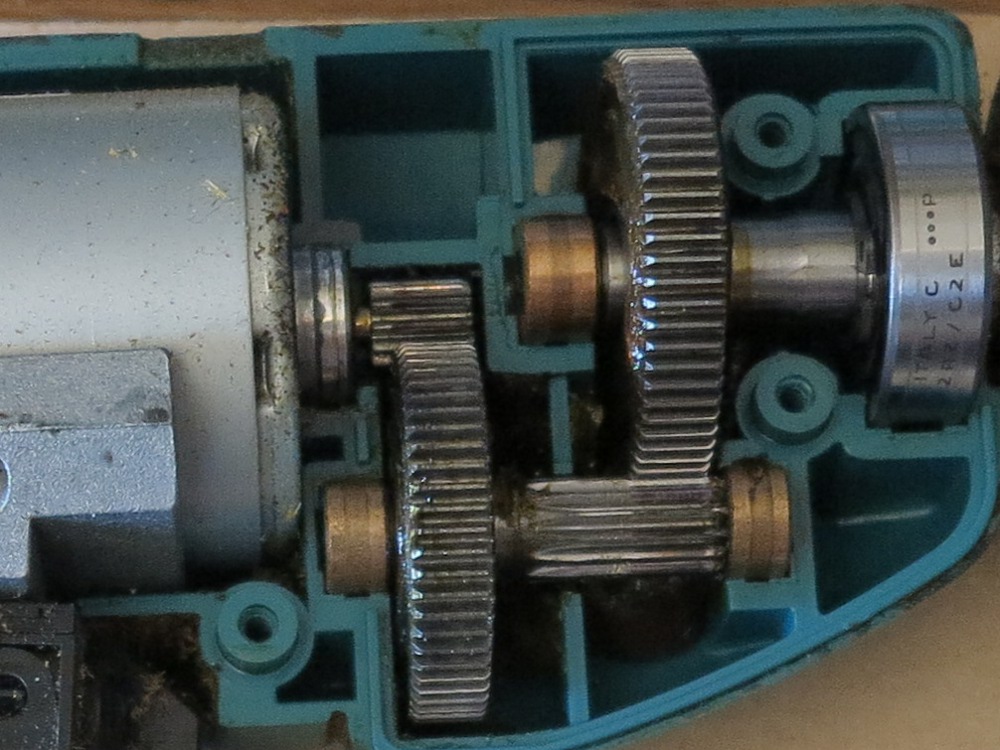
Moving parts inside the motor need lubrication to work smoothly. Lack of lubrication causes friction and wear. Use a small amount of light machine oil on the motor shaft and gears. Avoid over-oiling, which can attract dirt. Proper lubrication reduces noise and helps the motor run longer. Regular maintenance keeps the drill in good condition.
Resolving Chuck And Bit Issues
Problems with the chuck or drill bit can stop your cordless drill from working well. These parts hold the bit in place and help it spin. Fixing these issues is easy with the right steps. This section shows how to deal with common chuck and bit problems.
Tightening Or Replacing The Chuck
A loose chuck can cause the bit to slip. Use a wrench to tighten it by turning clockwise. If the chuck is damaged or worn out, replace it with a new one. Removing the old chuck usually needs a special tool or a hammer tap. Always check the drill manual for the right process.
Removing Stuck Bits
Bits can get stuck in the chuck from rust or dirt. To remove, first try to turn the chuck by hand. If it won’t move, apply some lubricant around the bit. Let it sit for a few minutes. Use pliers to gently pull the bit out. Avoid using too much force to prevent damage.
Adjusting Chuck Mechanism
The chuck mechanism may wear out or become misaligned. Open and close the chuck several times to check its movement. Clean the inside with a brush to remove dust and debris. If the chuck does not grip the bit firmly, adjust the tension screws if available. Regular cleaning keeps the mechanism smooth.
Fixing Trigger And Switch Faults
Fixing trigger and switch faults is key to restoring your cordless drill’s function. These parts control power flow and speed. Faults here often cause the drill to stop working or work irregularly. Knowing how to inspect, clean, and replace them can save time and money.
Inspecting The Trigger
Start by unplugging the drill and removing the battery. Press the trigger several times to check for smooth movement. Look for cracks, worn parts, or stuck areas. Use a small flashlight to see inside the trigger housing. A damaged trigger often feels loose or does not snap back properly.
Cleaning Switch Contacts
Remove the drill cover carefully to expose the switch contacts. Dust and dirt can block electrical flow. Use a soft brush or compressed air to clean the contacts gently. Apply a small amount of electrical contact cleaner for better results. Avoid using water or harsh chemicals that can cause damage.
Replacing Faulty Switches
If cleaning does not fix the problem, the switch may need replacement. Purchase a switch compatible with your drill model. Disconnect wires carefully and note their positions. Install the new switch by reconnecting wires and securing it in place. Test the drill before fully reassembling to ensure proper function.
Preventive Maintenance Tips
Preventive maintenance helps keep your cordless drill working well for a long time. Small steps can stop big problems. Regular care saves money and time. It also makes sure your drill is ready when you need it.
Regular Cleaning
Dust and dirt can harm your drill’s motor and parts. Clean the drill after each use with a dry cloth. Use a small brush to remove dust from vents and crevices. Avoid water or harsh chemicals to protect electrical parts.
Proper Storage
Store the drill in a dry place away from extreme heat or cold. Keep it in its case or a tool box to avoid damage. Remove the battery if you won’t use the drill for a long time. This helps keep the battery healthy.
Routine Inspections
Check the drill regularly for loose parts or damage. Tighten screws and bolts as needed. Look at the battery for signs of wear or leaks. Replace worn parts to keep the drill safe and effective.

Credit: www.youtube.com
Frequently Asked Questions
How Do I Troubleshoot A Cordless Drill Not Working?
Check the battery charge and connections first. Clean the drill and inspect for damage. Test the switch and motor for faults.
Why Is My Cordless Drill Losing Power Quickly?
Battery age or poor charging can cause power loss. Ensure proper charging and replace old batteries for best performance.
How Can I Fix A Cordless Drill That Won’t Turn On?
Check the battery and charger for issues. Inspect the trigger switch and wiring for defects. Replace faulty parts as needed.
What Causes A Cordless Drill To Overheat?
Overuse, blocked ventilation, or motor issues cause overheating. Allow cooling breaks and clean vents to prevent damage.
Conclusion
Fixing a cordless drill is easier than it seems. Start by checking the battery and connections. Clean parts that look dirty or rusty. Replace worn-out pieces with new ones. Test the drill after each step. Small fixes can save you money and time.
Regular care keeps your drill working longer. Stay patient and follow simple steps. You can handle most common problems yourself. Keep your drill ready for your next project.
