

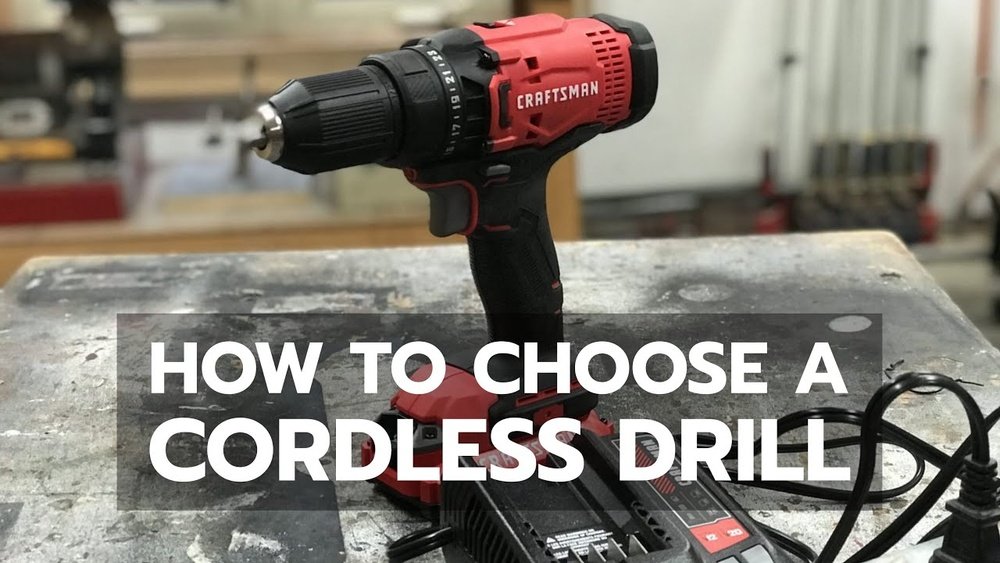
Choosing the right cordless drill can feel overwhelming with so many options on the market. You want a tool that fits your needs, lasts long, and makes your projects easier—not harder.
What if you could pick the perfect drill without wasting time or money? This guide will help you understand exactly what to look for, so you can make a confident choice and get your work done smoothly. Keep reading, and by the end, you’ll know how to find a cordless drill that works for you.
%20(1).png)
Credit: www.misterworker.com
Types Of Cordless Drills
Cordless drills come in different types for various tasks. Choosing the right type helps you work better and faster. Each drill type suits specific jobs and materials. Knowing these types makes your choice easier.
Drill Drivers
Drill drivers are the most common cordless drills. They can drill holes and drive screws. These drills are lightweight and easy to use. Perfect for light to medium tasks around the home.
They usually have adjustable speed settings. This helps control the drill for different materials. Ideal for wood, plastic, and soft metals.
Hammer Drills
Hammer drills add a pounding action to drill through hard materials. Use them for concrete, brick, and stone. They switch between regular drilling and hammer mode.
Hammer drills are heavier than drill drivers. They need more power but offer strong performance. Great for construction and heavy-duty jobs.
Impact Drivers
Impact drivers focus on driving screws with high torque. They use quick bursts of force to tighten screws. This reduces hand strain and speeds up work.
They are smaller and lighter than hammer drills. Best for fastening and loosening screws in tough materials. Not ideal for making clean holes.

Credit: www.youtube.com
Key Features To Consider
Choosing the right cordless drill means knowing the key features. These features affect how well the drill performs and how easy it is to use. Understanding each feature helps you pick a drill that fits your needs. Below are the most important features to check before buying.
Battery Type And Life
The battery type affects the drill’s power and weight. Lithium-ion batteries are common and last long. They hold charge well and recharge fast. Battery life matters for how long you can work. Choose a drill with a battery that suits your project length.
Motor Power
Motor power controls the drill’s strength. More power means the drill can handle tough materials. Look at voltage; higher volts usually mean more power. For basic tasks, a lower voltage drill is enough. Heavy jobs need a stronger motor to avoid slowing down.
Chuck Size
Chuck size determines the drill bits the tool can hold. Common sizes are 3/8 inch and 1/2 inch. Bigger chucks fit larger bits for heavy work. Smaller chucks fit small bits for delicate jobs. Choose a chuck size based on the types of projects you do.
Speed Settings
Speed settings control how fast the drill spins. Multiple speeds give more control and precision. Low speed is good for driving screws. High speed helps with drilling holes quickly. A drill with adjustable speeds adapts to different tasks easily.
Ergonomics And Design
Ergonomics and design play a big role in choosing the right cordless drill. A drill that feels good in your hands helps you work longer without pain. It also improves control and precision. Consider how the drill fits your hand and how easy it is to use. This makes your projects faster and more comfortable.
Weight And Balance
A lightweight drill reduces arm tiredness. But too light might feel cheap or less powerful. Balance matters too. A well-balanced drill feels steady and easy to control. Check if the drill’s weight spreads evenly. This helps avoid strain on your wrist during long use.
Grip Comfort
Look for a soft, non-slip grip. It should fit your hand size well. A good grip prevents slipping and improves safety. Some drills have rubberized handles for extra comfort. Test the grip to see if it feels secure and natural.
Size And Portability
Compact drills fit in tight spaces better. Smaller size also makes carrying easier. A portable drill helps when working in different places. Think about storage too. A smaller drill takes less room in your toolbox or bag.
Brand Reputation And Warranty
Choosing a cordless drill means more than just power and size. Brand reputation and warranty play big roles in your decision. A trusted brand often means better quality and reliability. Warranty offers protection if the drill breaks or has defects. These factors save money and avoid frustration over time.
Top Brands To Consider
Some brands have earned respect for making strong, lasting cordless drills. Brands like DeWalt, Makita, and Bosch are popular for good reason. They use quality materials and test their drills thoroughly. These brands often provide a range of models to suit different needs. Picking a well-known brand helps ensure you get a reliable tool.
Other brands such as Ryobi and Milwaukee also offer solid options. They balance cost and performance well. Choosing a brand with positive reviews from users is smart. It means the drill performs well in real jobs. A trusted brand reduces the chance of early breakdowns.
Warranty And Customer Support
A good warranty protects your purchase. Most brands offer at least a one-year warranty on cordless drills. Some provide longer warranties, covering parts and labor. Check warranty length and what it covers before buying.
Customer support is important if problems arise. Brands with helpful support make repairs or replacements easier. They often have service centers or online help. Fast and clear customer service saves time and stress. A solid warranty and support show the brand stands behind its products.
Budget And Value
Choosing a cordless drill involves balancing your budget with the value you get. Not all drills cost the same, and prices often reflect features and quality. Spending more does not always mean better results. Understanding price ranges and value helps find the right drill without overspending.
Price Ranges
Cordless drills come in various price ranges. Basic models start around $30 to $50. These are good for light tasks like hanging pictures or small repairs. Mid-range drills cost between $60 and $120. They offer more power and longer battery life. High-end drills can cost $150 and above. These have advanced features and heavy-duty performance for tough jobs.
Choosing a price range depends on your needs and how often you use the drill. Simple jobs don’t require expensive tools. For frequent or heavy work, investing more makes sense.
Best Value Picks
Best value drills balance price and quality. They offer strong performance without a high cost. Many mid-range drills fit this category. They include decent batteries and reliable motors. Look for brands known for durability and good reviews. Avoid the cheapest options as they may wear out fast.
Consider what features are important. A comfortable grip, variable speed, and long battery life add value. A drill that lasts longer saves money over time. Choose a drill that meets your needs and fits your budget.
Accessories And Compatibility
Choosing the right cordless drill means thinking about its accessories and compatibility. These factors affect how well the drill works and what tasks it can handle. Accessories like drill bits, battery options, and carrying cases add value and convenience.
Understanding these will help you pick a drill that fits your needs now and in the future.
Drill Bits
Drill bits are the parts that do the actual drilling. Different bits work for wood, metal, or masonry. Choose a drill that accepts common bit sizes. This gives you more options and saves money. Some drills come with sets of bits, which is good for starters.
Battery Compatibility
Batteries power cordless drills. Check if the drill uses batteries that fit other tools you own. This saves money and space. Some brands use special batteries that only fit their tools. Look for models that allow easy battery swaps. Also, consider battery life and charging time.
Carrying Cases
A carrying case keeps your drill and accessories organized. It protects the drill from damage and makes transport easy. Some cases have space for extra bits and batteries. Look for sturdy cases with good handles. This helps keep everything in one place and ready to use.
Safety Tips For Use
Using a cordless drill safely helps prevent accidents and injury. Always pay attention to safety tips to protect yourself and others. Handling and maintenance are key parts of safe use. Follow simple rules to keep your work safe and efficient.
Proper Handling
Hold the drill firmly with both hands. Keep your fingers away from the drill bit. Wear safety glasses to protect your eyes from dust and debris. Make sure the drill bit is tight before starting. Avoid loose clothing or jewelry that can catch on the drill. Work in a well-lit area to see clearly. Keep a steady position and do not force the drill.
Maintenance Practices
Regularly check the drill for damage or wear. Clean the drill after each use to remove dust and dirt. Charge the battery fully but avoid overcharging. Store the drill in a dry place to prevent rust. Replace worn drill bits to maintain performance. Inspect the power switch and controls to ensure they work properly. Proper care extends the life of your drill and keeps it safe.
.jpg)
Credit: www.misterworker.com
Frequently Asked Questions
What Features Matter Most When Choosing A Cordless Drill?
Key features include battery life, torque, speed settings, and weight. These impact drill performance and user comfort. Choose based on your project needs and frequency of use for best results.
How Important Is Battery Type In A Cordless Drill?
Battery type affects power, weight, and charging time. Lithium-ion batteries offer longer life and lighter weight. NiCad batteries are cheaper but heavier and less efficient.
What Drill Size Is Best For Home Use?
A 12-volt or 18-volt cordless drill suits most home projects. These sizes balance power and portability, ideal for drilling into wood, metal, and light masonry.
Should I Prioritize Torque Or Speed In A Drill?
Torque is crucial for tough materials; speed controls drilling precision. Variable speed drills offer flexibility for different tasks. Choose based on your typical project requirements.
Conclusion
Choosing the right cordless drill makes your work easier. Focus on battery life, power, and weight first. Think about what projects you will do most. A drill that feels good in your hand helps a lot. Check for extra features like adjustable speed or LED lights.
Don’t rush; compare a few models before buying. A good drill lasts for many years. Take your time, and pick the best fit for you. Your projects will go smoother with the right drill. Simple steps lead to better results.
