


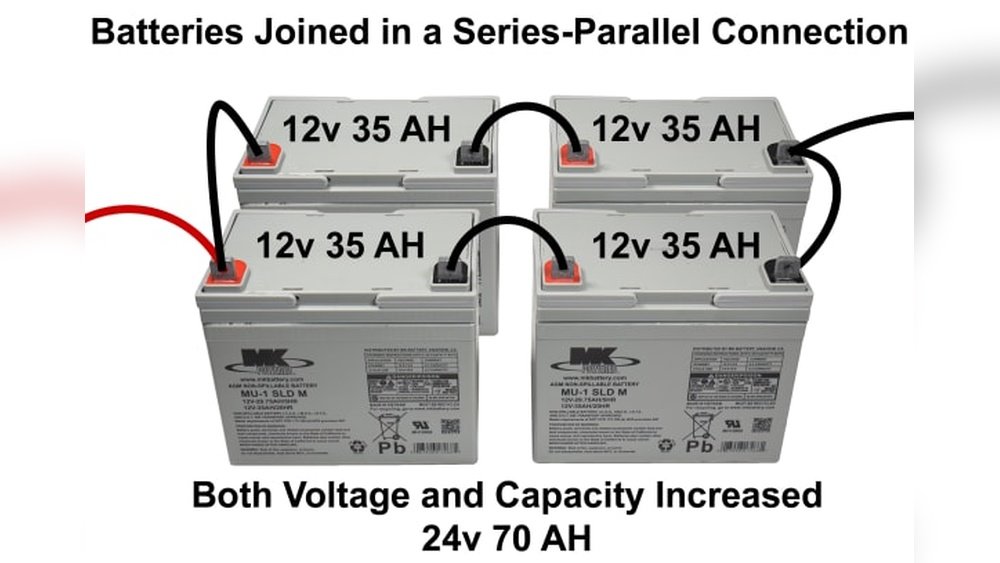
Have you ever wondered if you can mix different volt batteries in your cordless drill? Maybe you have a 12-volt battery and an 18-volt battery, and you’re curious if using them together will work or harm your tool.
The answer isn’t as simple as you might think. What you do with your batteries can impact your drill’s performance, safety, and lifespan. Keep reading to find out what really happens when you mix different volt batteries and how to protect your tools while getting the most out of every charge.
Battery Voltage Basics
Understanding battery voltage is key for using cordless drills correctly. Voltage shows the power level a battery can give to the drill. It helps decide how strong and fast the drill works. Knowing this makes choosing and mixing batteries safer and smarter.
Common Voltages In Cordless Drills
Cordless drills often use batteries with 12V, 18V, or 20V. Each voltage suits different tasks and drill sizes. Lower volts like 12V are good for light jobs. Higher volts such as 18V or 20V are best for heavy work. The battery voltage must match the drill’s design for proper function.
How Voltage Affects Performance
Voltage controls the drill’s power and speed. Higher voltage means more power and longer run time. It lets the drill handle tough materials easily. Lower voltage saves weight and is enough for simple tasks. Using the right voltage helps the drill work well and last longer.

Credit: www.onallcylinders.com
Mixing Different Volt Batteries
Mixing different volt batteries in a cordless drill can seem like a quick fix. You might want to use what is available without buying new batteries. But batteries with different voltages do not work well together. They can cause problems for the drill and the batteries themselves.
Potential Risks And Damages
Using batteries with different voltages can damage the drill’s motor. The power flow becomes uneven and unstable. This can lead to overheating and short circuits. Batteries may also drain faster or swell up. These issues can shorten the life of both the drill and the batteries. Safety risks like sparks or leaks increase too.
Impact On Drill Efficiency
The drill will not perform at its best with mixed volt batteries. It may run slower or stop suddenly. The power output becomes weak and inconsistent. Tasks take longer and become harder to finish. The drill’s battery indicator may also give wrong readings. Overall, mixing volt batteries reduces the drill’s reliability and strength.
Battery Chemistry And Compatibility
Battery chemistry plays a key role in cordless drill performance and safety. Different battery types store and release energy in unique ways. Mixing batteries with different chemistries can cause problems. Understanding battery compatibility helps avoid damage and hazards.
Types Of Battery Cells
Cordless drills use mainly three battery types: nickel-cadmium (NiCd), nickel-metal hydride (NiMH), and lithium-ion (Li-ion). NiCd batteries are older and heavier. NiMH batteries hold more charge but can lose power faster. Li-ion batteries are lightweight and provide high power. Each type uses different chemicals inside.
Battery cells have different voltages and charging needs. This affects how they work in a drill. Mixing these cells can cause poor performance or battery failure. Knowing the battery cell type is important before mixing or matching batteries.
Matching Chemistry For Safety
Using batteries with the same chemistry reduces risks. Different chemistries can cause overheating or short circuits. Chargers also vary by battery type. Charging the wrong battery can damage it or cause fire.
For safety, always use batteries with matching chemistry in your drill. This keeps the tool working well and protects your batteries. Avoid mixing NiCd, NiMH, and Li-ion batteries in one device. Matching chemistry extends battery life and ensures safe operation.

Credit: blog.acmetools.com
Manufacturer Recommendations
Manufacturers provide clear guidelines about battery use in cordless drills. Following these recommendations keeps your tools safe and working well. Using different volt batteries together can cause damage or reduce performance. Always check the manual or product details before mixing batteries.
Why Following Guidelines Matters
Mixing batteries with different voltages can harm your drill. It may cause overheating or reduce battery life. The drill might not work properly or stop suddenly. Manufacturers test their tools with specific battery types. Sticking to their advice ensures your drill lasts longer.
Examples From Popular Brands
DeWalt warns against using batteries with different voltages together. Their drills need matching battery packs for safe operation. Makita also advises using only compatible batteries for each model. Milwaukee recommends using batteries from the same series and voltage. These brands stress the importance of following their battery guidelines.
Safe Practices For Battery Use
Using batteries safely in cordless drills is very important. Proper care helps avoid damage and keeps tools working longer. Understanding how to charge and store batteries can prevent accidents and improve battery life.
Following safe practices protects both the user and the tool. It also makes sure the drill performs well each time it is used.
Proper Charging Techniques
Always use the charger made for your drill’s battery. Different volt batteries need specific chargers. Mixing chargers can cause overcharging or damage. Charge batteries on a flat, stable surface. Avoid charging near water or heat sources. Remove the battery from the charger once fully charged. Do not leave batteries charging overnight. This helps avoid overheating and extends battery life.
Storage Tips To Prolong Battery Life
Store batteries in a cool, dry place. Avoid direct sunlight or very cold areas. Keep batteries away from metal objects to prevent short circuits. Store batteries with a 40-60% charge for best results. Remove batteries from the drill if not used for a long time. Check stored batteries regularly and recharge if needed. Proper storage reduces battery damage and keeps them ready for use.
Alternatives To Mixing Batteries
Mixing different volt batteries in a cordless drill can cause problems and damage. Instead, try safer alternatives. These options help you use your drill without risking battery or tool harm. They keep power steady and protect your equipment.
Using Battery Adapters
Battery adapters allow different volt batteries to fit your drill. They act as a bridge between the battery and the tool. This helps maintain safe power levels. Adapters prevent damage from incorrect voltage. They also extend battery use across several tools.
Adapters are simple to use and affordable. They offer a quick solution without buying new batteries. Check the adapter’s compatibility with your drill and battery brand. This ensures smooth operation and safety.
Upgrading To Compatible Battery Packs
Upgrading to compatible battery packs is a smart choice. Buy battery packs that match your drill’s voltage and brand. This keeps your tool running efficiently and safely. Compatible packs provide reliable power and longer life.
New battery packs often come with better technology. They can charge faster and last longer. Investing in correct batteries protects your drill and improves performance. Choose packs designed for your model for the best results.

Credit: www.popularmechanics.com
Frequently Asked Questions
Can I Mix Different Voltage Batteries In One Drill?
Mixing different voltage batteries in a cordless drill is not recommended. It can cause damage to the drill and reduce battery life. Always use batteries with the same voltage for optimal performance and safety.
What Happens If I Use Mismatched Voltage Batteries?
Using mismatched voltage batteries can lead to poor performance and potential damage. The drill may not work properly, and batteries can overheat or leak. Consistent voltage ensures safe and efficient operation.
Are Mixed Voltage Batteries Safe For Cordless Drills?
Mixed voltage batteries are generally unsafe for cordless drills. They can cause electrical issues and risk battery failure. For safety, always use batteries with the exact voltage specified by the manufacturer.
Can Mixing Battery Voltages Void My Drill’s Warranty?
Yes, mixing battery voltages can void your cordless drill’s warranty. Manufacturers require proper battery use to maintain warranty protection. Using incorrect batteries may lead to denied service or repairs.
Conclusion
Mixing different volt batteries in a cordless drill can cause problems. It may reduce battery life and damage the tool. Using batteries with the same voltage keeps your drill working well. Always follow the drill maker’s instructions for the best results.
Keep your tools safe and lasting longer by using matching batteries. This simple step helps you avoid extra costs and frustration. Choose the right batteries for your cordless drill every time. Your work will be easier and your drill will stay strong.
