

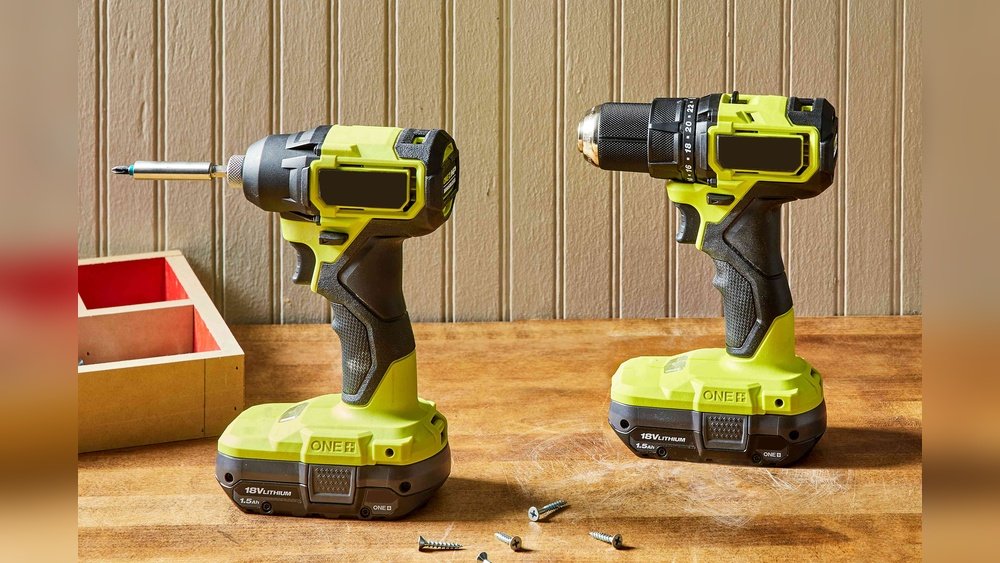
Are you wondering if you really need both a cordless drill and an impact driver in your toolbox? Maybe you’ve seen these tools online or at the store and aren’t sure if owning both is worth it.
The truth is, each tool has its own unique power and purpose that can make your projects easier and faster. By the end of this article, you’ll know exactly which tool suits your needs—and why having both might just change the way you work on your home or DIY tasks.
Keep reading to discover how these tools can save you time, effort, and frustration.
Cordless Drill Basics
Cordless drills are common tools in many homes and workshops. They offer freedom from cords and easy handling. Many people wonder if they really need one. Understanding the basics helps make a smart choice.
Key Features
Cordless drills run on rechargeable batteries. They come with adjustable speed settings. A chuck holds various drill bits and driver bits. Most have a built-in LED light for dark spaces. They are lightweight and easy to carry.
Common Uses
Cordless drills are great for drilling holes in wood, metal, and plastic. They also drive screws quickly and efficiently. These drills help with furniture assembly and home repairs. They work well in places without power outlets.
Pros And Cons
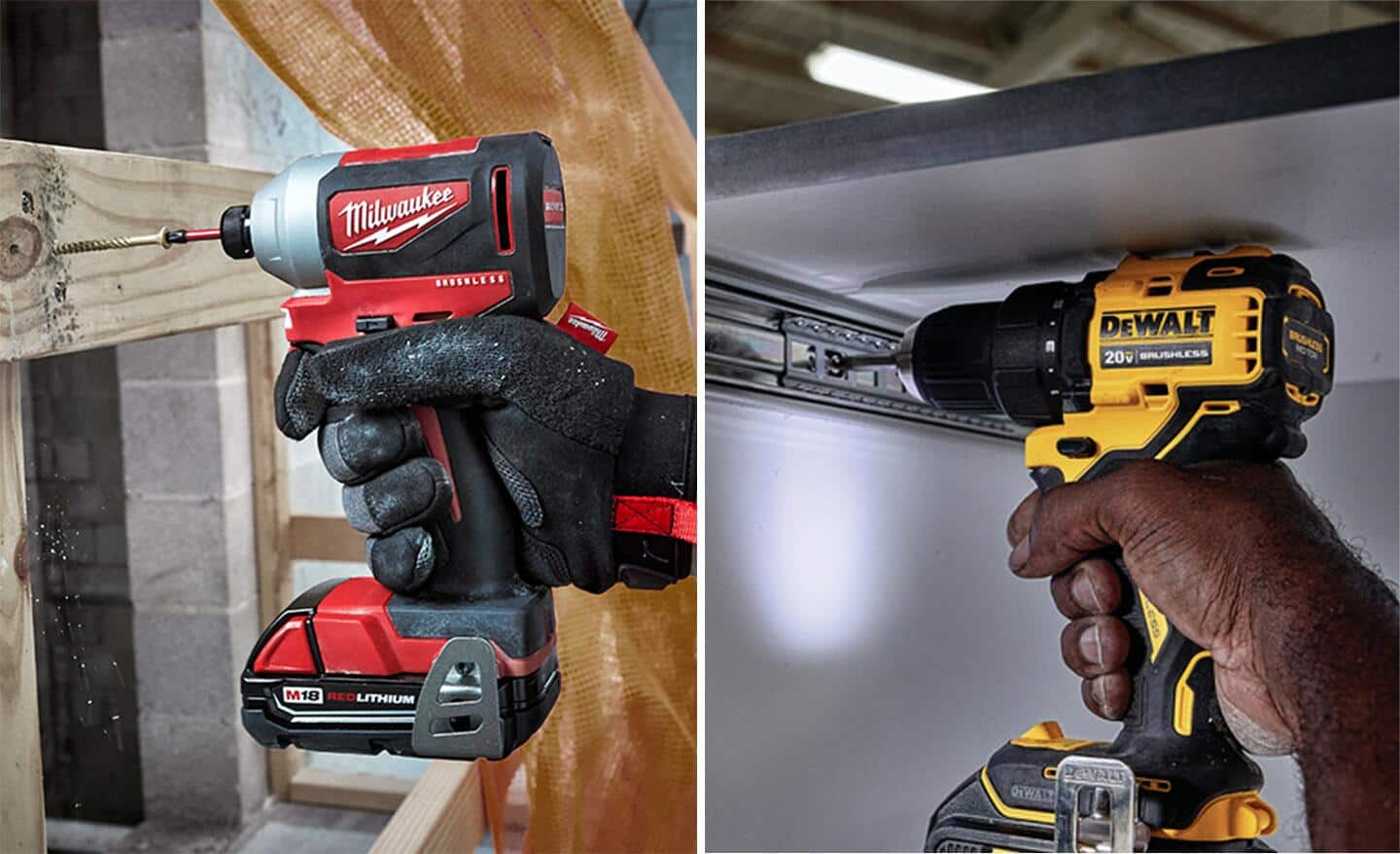
Cordless drills offer great mobility and convenience. Their batteries allow use anywhere, anytime. They are simple to operate and maintain. Batteries may need replacement after long use. Power can be less than corded drills. Some models are heavier due to battery size.
Credit: www.homedepot.com
Impact Driver Essentials
Impact drivers are useful tools for many tasks. They help with driving screws and bolts quickly. These tools are different from regular drills. They give more power in a smaller size.
Understanding how impact drivers work and their uses can help you decide if you need one.
How It Works
An impact driver uses two motions: rotation and concussive blows. The motor spins the bit fast. Then, it hits the bit with strong, sudden force. This force helps drive screws into hard materials.
This design reduces the effort you need to push the tool. It also lowers the chance of stripping screws.
Typical Applications
Impact drivers are great for fastening screws and bolts. They work well with wood, metal, and plastic. Builders use them for framing and decking. Car mechanics use them to remove tight bolts. DIY projects also benefit from the extra torque.
They handle long screws and heavy-duty fasteners better than regular drills.
Advantages And Limitations
Impact drivers provide high torque in a compact size. They reduce user fatigue by requiring less force. Their quick action speeds up work. They also prevent screw damage.
On the downside, impact drivers are not for drilling holes. They need special bits for best results. Noise levels can be higher than regular drills. Control can be trickier for beginners.
Comparing Both Tools
Choosing between a cordless drill and an impact driver can be tricky. Both tools have unique strengths. Understanding their differences helps you pick the right one for your needs. Let’s compare their power, versatility, and user experience to see what suits your projects best.
Power And Torque Differences
Cordless drills offer moderate power suitable for drilling holes and driving screws. Their torque is steady but lower than impact drivers. Impact drivers provide higher torque. They excel at driving large screws and bolts. This makes impact drivers better for tough jobs involving dense materials.
Versatility And Functionality
Cordless drills are versatile. They can drill holes in wood, metal, and plastic. They also handle light screwdriving tasks well. Impact drivers focus mainly on screwdriving and fastening. They are less effective for precise drilling. Many users prefer drills for varied tasks and impact drivers for heavy-duty fastening.
User Experience
Cordless drills are easy to control with smooth speed settings. They often have adjustable clutch settings for different jobs. Impact drivers deliver quick bursts of power with a strong hammering action. This can reduce wrist strain during tough tasks. Both tools are lightweight and portable, but drills might feel easier for beginners.
When To Choose A Cordless Drill
Choosing between a cordless drill and an impact driver depends on the task. Cordless drills serve many basic purposes. They work well in various home projects. Understanding when to pick a cordless drill helps you get the job done right. This tool offers versatility and control for many simple tasks.
Suitable Projects
Cordless drills are best for light to medium tasks. Drilling holes in wood, metal, or plastic is easy. They also work well for driving screws in furniture or cabinets. Small repairs and DIY projects suit cordless drills perfectly. These projects need precision, not just power.
Material Compatibility
Cordless drills handle soft and hard materials. Wood, plastic, and thin metal sheets are common choices. They work gently without damaging delicate surfaces. For thick metal or concrete, another tool may be better. Always match the tool to the material for best results.
Ease Of Use
Cordless drills are simple to operate. They are lightweight and easy to hold. Variable speed controls help adjust power for different tasks. Most come with easy-to-change drill bits. Beginners can learn fast and work safely with cordless drills.
When To Opt For An Impact Driver
Choosing between a cordless drill and an impact driver can be tricky. Knowing when to use an impact driver helps you work smarter. Impact drivers are not just extras; they serve specific jobs better. They provide more power and control for tough tasks. This section explains when an impact driver is the best choice.
Best Scenarios
Impact drivers work well with long screws and bolts. They shine in building decks, fences, and wooden frames. Tight spaces suit impact drivers because they are compact. They handle repetitive driving tasks without tiring your hands. Use an impact driver for tasks that need strong, fast screw driving.
Handling Tough Fasteners
Impact drivers deliver high torque to loosen tight fasteners. They prevent stripping screws by driving them smoothly. Stubborn bolts come out easier with an impact driver’s force. It reduces the chance of damaging wood or metal surfaces. Choose an impact driver for screws that a drill can’t handle well.
Efficiency Benefits
Impact drivers speed up screw driving and fastening. They reduce effort, saving your energy on big jobs. Their quick bursts of power make work faster and cleaner. Using an impact driver means fewer tool changes and breaks. This tool helps finish projects quicker and with less strain.
:max_bytes(150000):strip_icc()/SPR-impact-driver-vs-drill-5116867-hero-37b95592c1a44e97baa3de9f859fbd0a.jpg)
Credit: www.thespruce.com
Can One Tool Replace The Other?
Can one tool replace the other? This question often arises for people starting their tool collection. Cordless drills and impact drivers look similar but serve different functions. Understanding their roles helps decide if you need both or just one.
Limitations Of Single Tool Use
A cordless drill works well for drilling holes and driving screws with light force. It struggles with large screws or tough materials. An impact driver delivers high torque, perfect for heavy-duty tasks. Using only one tool means missing out on the other’s strengths. This can slow down work or cause damage to screws and materials.
Situations Requiring Both
Some jobs call for precision drilling and strong screw driving. Building furniture often needs a drill for holes and an impact driver for tight screws. Outdoor projects with hard wood or metal require the power of an impact driver. Having both tools ready makes projects faster and easier. Each tool fits a specific task that the other cannot fully handle.
Cost Vs. Convenience
Buying two tools costs more upfront. But it saves time and effort on complex jobs. Using only one tool may seem cheaper but can lead to frustration and slow progress. Weigh the cost against how often you do tough projects. For occasional light use, one tool might suffice. For frequent, varied tasks, investing in both brings better results and less strain.
Choosing The Right Tool Combo
Choosing the right tool combo is important for any DIY or professional project. A cordless drill and an impact driver often work well together. But deciding which one to buy depends on several factors. Consider your budget, project needs, and tool compatibility. These points help you pick the best tools for your work.
Budget Considerations
Start by setting a clear budget. Cordless drills and impact drivers vary in price. Some kits offer both tools together at a lower cost. Buying a combo saves money and ensures both tools match. Avoid overspending on features you may not need. Stick to what fits your budget and project scope.
Project Needs
Think about the tasks you will do most. Cordless drills are good for drilling holes and driving screws with light force. Impact drivers deliver more power and torque. They handle tough screws and bolts easily. For simple home tasks, a drill might be enough. For heavy-duty work, add an impact driver to your set.
Tool Compatibility
Check if the drill and impact driver share batteries and chargers. Using the same battery system saves money and space. It also keeps your tools ready to use without extra waiting. Brands often sell combo kits with compatible tools. This setup makes your work smoother and more efficient.
Credit: www.youtube.com
Maintaining Cordless Drills And Impact Drivers
Maintaining cordless drills and impact drivers helps them last longer and work better. Regular care keeps the tools safe and ready for any job. Simple habits can prevent damage and improve performance. Taking time to maintain these tools saves money and frustration.
Battery Care
Charge batteries fully before first use. Avoid letting batteries drain completely. Store batteries in a cool, dry place. Remove batteries from the tool when not in use. Use the charger made for your battery type. Check batteries for cracks or leaks regularly.
Regular Maintenance Tips
Clean your tools after every use. Wipe off dirt and dust with a dry cloth. Check screws and parts for tightness. Lubricate moving parts lightly to prevent rust. Inspect the chuck and replace worn parts. Test the trigger and switches for smooth action.
Storage Recommendations
Keep tools in a dry, cool area. Avoid places with high humidity or heat. Use a tool case or box for protection. Store batteries separately from the tools. Keep tools away from children and pets. Organize your workspace to avoid damage.
Frequently Asked Questions
What Is The Difference Between A Cordless Drill And Impact Driver?
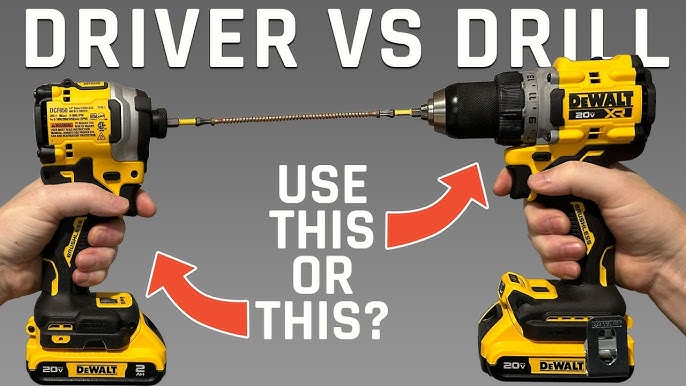
A cordless drill is ideal for drilling holes and light fastening. An impact driver delivers high torque for driving screws and bolts efficiently. Both tools serve different purposes in DIY and professional tasks.
Do I Need Both A Cordless Drill And Impact Driver?
Having both tools enhances versatility. Use a drill for drilling and an impact driver for heavy fastening. Together, they handle most home and workshop projects smoothly.
Can A Cordless Drill Replace An Impact Driver?
A cordless drill can perform some impact driver tasks but lacks high torque. It may struggle with tough screws or bolts. For heavy-duty fastening, an impact driver is more effective.
Are Cordless Drills And Impact Drivers Easy To Use?
Yes, both are user-friendly with ergonomic designs and lightweight bodies. Cordless models offer portability and convenience for various tasks around the home or job site.
Conclusion
Choosing between a cordless drill and an impact driver depends on your tasks. A cordless drill works well for drilling holes and light screwing. An impact driver handles tougher screws and bolts with ease. Having both tools can make projects faster and easier.
Think about the work you do most often. Invest in the tool that fits your needs best. Simple tools can help you finish jobs well and save time.
