


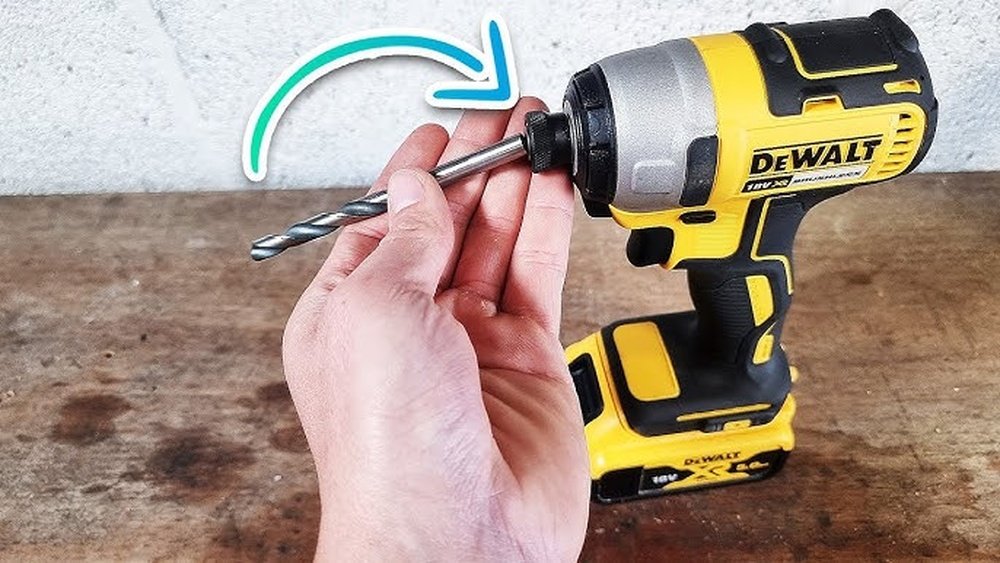
Are you struggling with a loose bit on your cordless drill? It’s frustrating when your drill bit slips or falls out just when you need it most.
Knowing how to tighten the bit quickly and securely can save you time and make your projects much easier. In this guide, you’ll learn simple, step-by-step tips to get your drill working perfectly every time. Keep reading, and you’ll never have to worry about a loose bit again.

Credit: www.youtube.com
Choosing The Right Drill Bit
Choosing the right drill bit is key for a smooth drilling job. The correct bit ensures clean holes and saves your drill from damage. Picking the right bit depends on the material and task. Understanding bit types helps you tighten the bit properly and work efficiently.
Types Of Drill Bits
Twist bits are common and good for wood, plastic, and metal. Spade bits cut large holes in wood quickly. Masonry bits have a strong tip for drilling into brick and stone. For metal, use cobalt bits that resist heat and wear. Each bit has a shape and tip designed for specific tasks.
Matching Bits To Materials
Wood needs sharp bits with a pointed tip to avoid splintering. Metal requires strong bits that can cut through tough surfaces. Masonry bits work well on concrete and brick. Using the wrong bit can break the bit or damage the material. Choose bits made for the surface you drill into.

Credit: www.totalplumbingfl.com
Preparing Your Cordless Drill
Preparing your cordless drill is the first step to tightening the bit properly. A well-prepared drill makes your work easier and safer. Spend a few minutes checking your tool before starting. This helps avoid mistakes and saves time.
Safety Precautions
Always wear safety glasses to protect your eyes. Keep your hands dry and clean for a firm grip. Remove any loose clothing or jewelry that might get caught. Work in a well-lit area to see clearly. Make sure no one is near you while using the drill.
Checking Battery And Settings
Check the battery charge before starting. A low battery can cause the drill to stop suddenly. Insert the battery securely into the drill. Look at the speed settings and torque control. Set the drill to a low speed for tightening bits. This prevents slipping and damage to the tool or bit.
Steps To Tighten The Bit
Tightening the bit on a cordless drill is simple. Follow clear steps to make sure the bit stays secure. A tight bit keeps your work safe and accurate.
These steps help you open the chuck, insert the bit, and lock it firmly. Each step is quick and easy to do. Let’s break down the process.
Opening The Chuck
Hold the drill with one hand. Use your other hand to twist the chuck. Turn it counterclockwise to open the jaws. Open enough space for the bit to fit in. The chuck is the part that holds the bit.
Inserting The Drill Bit
Pick the right bit for your task. Place the bit into the open chuck. Push it in straight and deep. Make sure the bit is centered. A well-centered bit spins smoothly and cuts well.
Securing The Bit Firmly
Turn the chuck clockwise to close the jaws. Tighten it until the bit is locked tight. Use your hand or the drill’s clutch for extra grip. Test by gently pulling the bit. It should not move or slip.

Credit: www.totalplumbingfl.com
Using A Keyless Chuck
Using a keyless chuck is simple and quick for tightening a bit on a cordless drill. This type of chuck does not require a separate key to secure the drill bit. Instead, you can tighten it by hand, saving time during your work. It is common on many modern cordless drills because of its ease of use.
Hand-tightening Techniques
Start by inserting the drill bit into the chuck. Hold the drill firmly with one hand. Use your other hand to turn the chuck sleeve clockwise. Keep turning until you feel resistance. Do not force it too hard. A snug fit is enough to hold the bit securely. Check by gently pulling the bit to see if it moves.
Ensuring A Secure Grip
After tightening, test the bit’s grip before starting the drill. Turn the drill on at low speed. Watch the bit closely. If it slips, tighten the chuck more by hand. Use a cloth for extra grip on the chuck if your hands slip. A secure bit keeps your work safe and accurate.
Using A Keyed Chuck
Using a keyed chuck on a cordless drill helps secure the drill bit firmly. This type of chuck uses a special tool called a chuck key. The key fits into holes on the chuck to tighten or loosen it. This method gives a strong grip on the bit, reducing slippage during work.
Locating The Chuck Key
The chuck key looks like a small gear with a handle. It usually comes with the drill set. Find the holes around the chuck’s outer ring. These holes hold the chuck key’s teeth. Keep the key nearby before starting to tighten the bit.
Tightening With The Key
Insert the chuck key into one of the holes on the chuck. Turn the key clockwise to close the jaws of the chuck. Keep turning until the bit feels tight and secure. Check the bit by pulling gently to ensure it won’t move. Remove the chuck key before starting the drill for safety.
Common Mistakes To Avoid
Tightening the bit on a cordless drill seems simple but mistakes happen often. These errors can affect your work and damage the tool. Knowing what to avoid keeps your drill safe and working well. Below are common mistakes to watch out for.
Overtightening Risks
Too much force can damage the drill chuck. It may cause the chuck to become stuck or hard to open later. Overtightening can also wear out the bit faster. This reduces the bit’s lifespan and makes drilling less effective. Use steady, firm pressure to tighten the bit. Stop turning once it feels secure.
Loose Bit Hazards
A bit that is not tight enough slips during use. This causes poor drilling performance and may ruin your project. A loose bit can also fly out and cause injury. Always check the bit after tightening. Give it a gentle pull to confirm it is secure before starting work.
Tips For Maintaining Your Drill
Maintaining your cordless drill is key to keeping it in good shape. A well-cared-for drill lasts longer and works better. Simple steps can prevent many common problems. These tips help your drill stay reliable and safe.
Regular Cleaning
Dust and debris can build up inside your drill. This can cause it to work poorly or stop working. Clean your drill after each use. Use a soft brush or a cloth. Avoid using water or harsh chemicals. Pay close attention to the chuck and vents. Removing dirt helps the drill run smoothly.
Lubrication Practices
Lubrication keeps the drill’s moving parts working well. Apply a small amount of machine oil to the chuck. Do this every few months or after heavy use. Too much oil can attract dirt. Wipe off any extra oil with a cloth. Proper lubrication reduces wear and tear on the drill.
Frequently Asked Questions
How Do I Tighten The Bit On A Cordless Drill?
To tighten the bit, hold the drill firmly and rotate the chuck clockwise. This secures the bit in place, preventing slippage during use.
Can I Tighten The Bit Without A Key?
Yes, most cordless drills have a keyless chuck. Simply twist the chuck by hand to tighten or loosen the bit.
Why Is My Drill Bit Loose After Tightening?
A loose bit may mean the chuck isn’t fully tightened. Ensure you twist the chuck firmly until it stops rotating.
How Often Should I Check The Drill Bit Tightness?
Check the bit tightness before every use. Regular checks prevent accidents and improve drilling accuracy.
Conclusion
Tightening the bit on your cordless drill is simple and quick. Always hold the drill steady while turning the chuck. Make sure the bit fits snugly to avoid slipping. Check the tightness before starting any project. A secure bit helps you work safely and efficiently.
Practice a few times to feel confident. Now, you can handle your drill with ease and get the job done right.
