

Have you ever wondered how your cordless drill manages to deliver powerful twists without getting stuck or tiring out? Understanding how cordless drill reduction works can change the way you use your tool, making your projects easier and more efficient.
You’ll discover the simple mechanics behind the reduction system and why it matters for your drilling tasks. Keep reading, and you’ll soon see your cordless drill in a whole new light—ready to help you work smarter, not harder.
Basics Of Cordless Drill Reduction
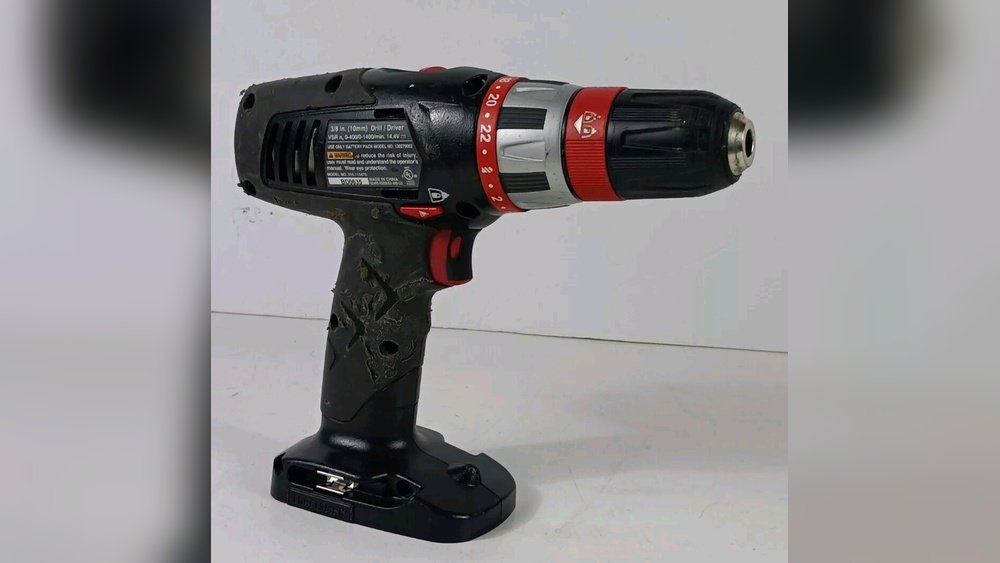
Cordless drill reduction is a key part of how these tools work. It controls the speed and power of the drill. The reduction process makes sure the drill bit turns at the right speed. This helps with different tasks like drilling holes or driving screws. Understanding the basics of cordless drill reduction helps you see how the tool performs well.
Reduction happens inside the drill. It changes the motor’s fast rotation into a slower, stronger turn. This makes the drill easier to handle and more efficient. The parts that do this job are simple but important. Let’s explore the main components and types of reduction mechanisms in cordless drills.
Key Components Involved
The first key component is the motor. It spins very fast. Next is the gearbox. It slows the motor’s speed down. The gearbox uses gears to reduce speed and increase torque. Torque means the drill’s twisting power. The chuck holds the drill bit and turns it. All these parts work together to control the drill’s speed and power.
Types Of Reduction Mechanisms
One common type is the planetary gear system. It has several small gears that move around a central gear. This system is compact and strong. Another type is the spur gear system. It uses straight-cut gears to reduce speed. Some drills use a combination of gears for better control. Each type balances speed and torque differently. This helps the drill fit various jobs.
Credit: wearesuiters.com
Gear Systems Explained
Gear systems are key to how cordless drills control power and speed. They change the motor’s fast spinning into usable force. Understanding these gears helps explain how drills work efficiently.
Two main types of gears appear in cordless drills: spur gears and planetary gears. Each type has a unique design and purpose. They affect the drill’s torque and speed differently.
Spur Gears And Planetary Gears
Spur gears have straight teeth and sit parallel to each other. They are simple and easy to produce. These gears transfer power directly from the motor to the drill bit. They are common in less complex drills.
Planetary gears have a central gear called the sun gear. Around it, several planet gears rotate inside a ring gear. This setup spreads the load evenly. It allows for higher torque in a smaller space. Many cordless drills use planetary gears for better performance.
Impact On Torque And Speed
Gears reduce the motor’s speed to increase torque. Lower speed means more twisting force for drilling tough materials. Spur gears provide a straightforward speed reduction but may be noisier.
Planetary gears offer smooth operation with high torque output. They keep the drill compact and balanced. This gear system makes it easier to drill into hard surfaces. The right gear choice improves drill control and efficiency.
Motor And Battery Role
The motor and battery play a key role in cordless drill reduction. They work together to control the drill’s speed and power. This balance helps the drill handle tough jobs without using too much energy. Understanding how the motor and battery affect performance helps you choose the right drill.
Both parts affect how long the drill lasts and how strong it feels. The motor drives the drill bit, and the battery supplies the power. Different types of motors and batteries change how well the drill works and how long it runs.
Brushless Vs Brushed Motors
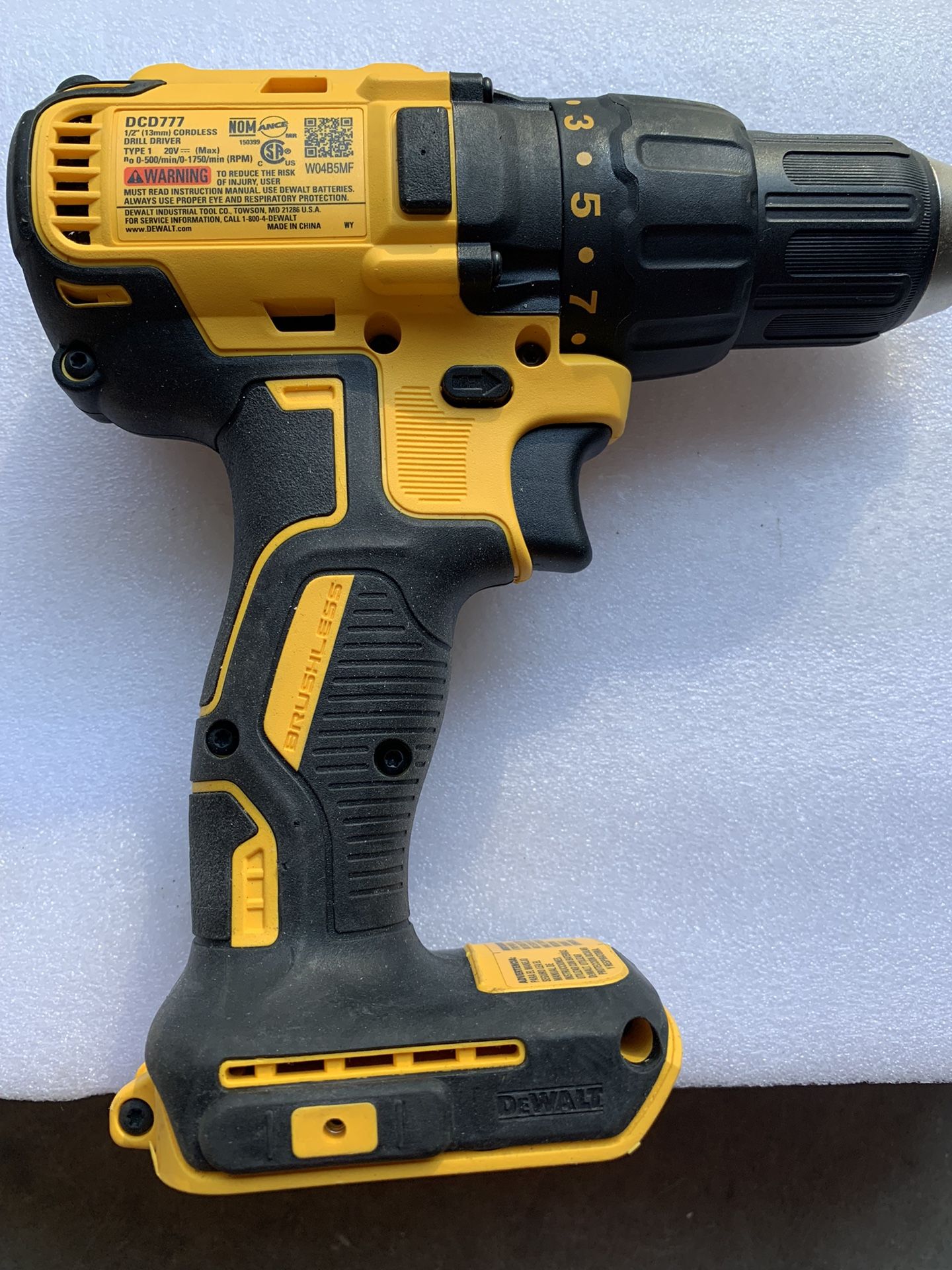
Brushless motors are newer and more efficient than brushed motors. They use magnets instead of brushes to create motion. This makes them last longer and run cooler. Brushless motors also use less power, so the battery lasts longer.
Brushed motors are simpler and cheaper. They have brushes that touch the motor’s parts to make it spin. These brushes wear out over time and need replacing. Brushed motors create more heat and waste more energy. This can reduce the drill’s overall life.
Battery Power And Efficiency
Battery power is measured in volts and amp-hours (Ah). Higher volts mean more power for heavy tasks. Higher amp-hours mean longer run time. Both are important for cordless drill performance.
Efficient batteries deliver steady power and charge quickly. Lithium-ion batteries are common and offer good power with less weight. They hold a charge longer than older types. A strong battery helps the drill run smoothly and finish jobs faster.
Credit: www.milwaukeetool.com
Efficiency Factors In Reduction
Efficiency in cordless drill reduction affects how well power transfers from the motor to the drill bit. Better efficiency means more work done with less battery use. Several factors influence this efficiency.
Friction And Heat Losses
Friction between moving parts wastes energy and creates heat. Heat loss reduces the power that reaches the drill bit. High friction can wear down parts faster. Lubrication and smooth surfaces help lower friction. Cooler parts keep the drill running longer and stronger.
Material Quality And Design
Strong materials resist wear and keep parts aligned. Good design reduces unnecessary movement inside the drill. Precise gears mesh better, cutting down energy loss. Lightweight materials help keep the drill easy to handle. Balanced design improves power flow and extends battery life.
Benefits Of Effective Reduction
Effective reduction in cordless drills improves how power is used. It controls the speed and force of the drill. This control makes the drill work better and last longer. Many users see clear benefits from this feature.
Increased Torque Output
Reduction helps boost the drill’s torque. Torque means the twisting force of the drill. More torque allows the drill to handle tough jobs easily. It can screw or drill into hard materials without stopping. This makes tasks faster and less tiring.
Extended Battery Life
Reduction also helps save battery power. It uses the battery energy more wisely. The drill works efficiently at the right speed and force. This means the battery lasts longer during use. Users get more work done before needing to recharge.
Troubleshooting Reduction Issues
Troubleshooting cordless drill reduction issues helps keep your tool working well. Reduction problems can cause the drill to lose power or stop spinning. Understanding common problems and maintenance tips saves time and money.
Common Problems
One problem is the drill not reaching full speed. This often happens from worn-out gears inside the reduction system. Another issue is strange noises during use. These sounds usually come from damaged or dirty gears. Sometimes, the drill may stop suddenly. This can occur due to a faulty clutch or motor connection. Checking for loose parts also helps identify problems early.
Maintenance Tips
Regular cleaning of the drill’s gears prevents dirt build-up. Using a small brush removes dust and debris from reduction parts. Lubricating gears keeps them running smoothly and reduces wear. Avoid using too much oil to prevent dirt sticking. Tighten screws and check parts often to ensure everything stays in place. Store the drill in a dry place to avoid rust on metal parts.
Future Trends In Drill Reduction
Future trends in cordless drill reduction focus on making tools lighter, stronger, and smarter. Advances in technology aim to improve drill performance and user comfort. Engineers explore new materials and designs to reduce weight without losing power.
Innovative Gear Designs
New gear designs help drills run smoother and more efficiently. Smaller, stronger gears reduce the size and weight of the drill. These designs also lower heat buildup, which extends the tool’s life. Precision in gear teeth improves power transfer and reduces noise.
Smart Technology Integration
Smart sensors monitor drill speed and torque in real-time. This technology prevents overloading and protects the motor. Bluetooth and apps allow users to customize settings for different tasks. Smart features can extend battery life and improve safety during use.

Credit: www.ebay.com
Frequently Asked Questions
How Does Cordless Drill Reduction Improve Torque?
Cordless drill reduction increases torque by using gears to multiply motor force. This allows the drill to handle tougher materials effectively and prevents motor overload, enhancing performance and durability.
What Are The Common Types Of Cordless Drill Reduction?
The two main types are planetary gears and spur gears. Planetary gears offer compact size and high torque, while spur gears are simpler and cost-effective. Both optimize speed and power for various drilling tasks.
Why Is Gear Reduction Important In Cordless Drills?
Gear reduction balances speed and torque for efficient drilling. It slows down the chuck speed while increasing torque, making the drill suitable for driving screws and drilling into hard materials without stalling.
Can Cordless Drill Reduction Affect Battery Life?
Yes, efficient gear reduction reduces motor strain, leading to lower power consumption. This results in longer battery life and improved overall drill performance during extended use.
Conclusion
Cordless drill reduction helps control speed and power easily. It lets you work on different tasks without changing tools. The gears inside make the drill run slower but stronger. This balance helps with drilling and driving screws smoothly. Understanding how reduction works improves your tool use.
It saves battery and prevents damage to materials. Choose the right setting for each job. This simple feature makes cordless drills more useful every day.
