


Are you wondering if your cordless drill can handle mixing thinset? You’re not alone.
Many DIY enthusiasts ask this question before starting their tile projects. Using the right tools can save you time and effort, but mixing thinset requires the right technique and equipment. You’ll discover whether your cordless drill is up to the task, what you need to consider, and how to get the best results without damaging your drill or ruining your thinset mix.
Keep reading to make sure your next project starts off on the right foot.
Cordless Drill Basics
A cordless drill is a handy tool for many tasks. It runs on batteries, so no cords get in the way. You can use it in places without power outlets. This makes it very flexible for work on floors and walls.
Mixing thinset with a cordless drill is possible. But choosing the right drill matters. Not all cordless drills work well for mixing thick materials. Knowing the basics helps you pick the best one.
Key Features For Mixing
Look for a drill with variable speed control. It lets you mix thinset slowly to avoid splashing. A drill with a strong motor handles thick mixes better. A comfortable grip makes mixing easier over time. Also, check if it has a reverse function. This helps clear the mixing paddle if it gets stuck.
Battery Life And Power
Battery life affects how long you can work without stopping. Choose a drill with long-lasting batteries for bigger jobs. Lithium-ion batteries charge quickly and last longer. Power is key for mixing thick thinset. Higher voltage drills offer more torque and strength. A powerful battery ensures smooth, even mixing.
What Is Thinset?
Thinset is a special type of mortar used in tile work. It helps stick tiles firmly to surfaces like floors and walls. Thinset is strong and water-resistant, making it ideal for kitchens, bathrooms, and outdoor areas.
It comes as a powder that you mix with water or a liquid additive. After mixing, it becomes a thick paste that you spread under tiles. Thinset holds tiles in place as it hardens and dries.
Composition And Uses
Thinset is mainly made from cement, fine sand, and a water-retaining agent. Some types include additives for better grip or flexibility. It is designed to bond tiles securely to concrete, cement board, or drywall.
Thinset works well for ceramic, porcelain, and natural stone tiles. It also resists moisture, preventing damage over time. This makes it perfect for wet areas like showers.
Mixing Requirements
Mixing thinset correctly is key for strong tile adhesion. Use clean water and a clean container. Pour powder into water, not water into powder, to avoid lumps.
Mix until the paste is smooth and thick, not runny. Let it sit for a few minutes, then stir again before use. Proper mixing ensures thinset sticks well and cures properly.
Choosing The Right Drill
Choosing the right drill is important for mixing thinset properly. The drill must handle thick materials without overheating or stalling. A good drill keeps the thinset smooth and prevents lumps. Selecting the correct drill will save time and effort during your project.
Drill Speed Settings
Speed control is key when mixing thinset. Low speeds prevent splashing and keep the mixture consistent. High speeds can cause air bubbles and uneven mixing. Look for drills with variable speed settings. This allows you to adjust the speed to match the thinset thickness. A steady, slow speed works best for smooth mixing.
Recommended Drill Types
Cordless drills with a powerful motor work well for thinset mixing. Choose drills with at least 18 volts for enough power. Corded drills offer constant power but limit mobility. Paddle mixers attached to the drill help mix thinset evenly. Avoid small or lightweight drills that may overheat or stall. A sturdy drill ensures better mixing and longer tool life.
Essential Mixing Attachments
Mixing thinset with a cordless drill needs the right attachments. These tools make mixing easier and faster. They help create a smooth, even mixture without lumps. Choosing the proper attachment is key for good results.
Types Of Mixing Paddles
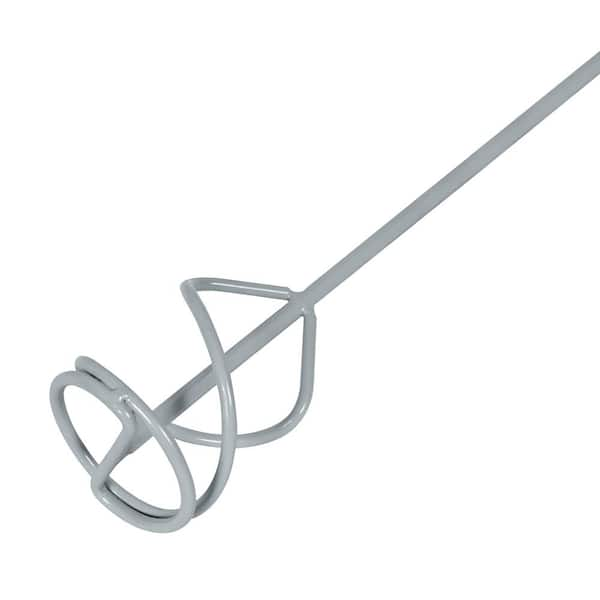
Mixing paddles come in many shapes and sizes. Some have spiral blades that move thinset quickly. Others have flat blades that blend materials gently. Paddle size depends on the drill and the mixing container. Some paddles are made for thick materials, while others suit thin mixtures. Using the right paddle saves time and effort.
Attachment Compatibility
Not every mixing paddle fits all cordless drills. Check the drill’s chuck size before buying. Most drills use a 1/2-inch chuck for mixing attachments. Some paddles have hex shanks for a secure fit. Make sure the attachment locks tightly to avoid slipping. Proper compatibility ensures safe and smooth mixing work.
Step-by-step Mixing Process
Mixing thinset correctly is key for a strong tile job. Using a cordless drill makes the process faster and easier. Follow these simple steps to prepare and mix thinset with the drill.
Preparing The Workspace
Clear the area of dust and debris. Use a bucket that is clean and large enough for mixing. Have water ready at room temperature. Wear gloves to protect your hands. Set up near a power source for your cordless drill. Arrange all materials so they are easy to reach.
Mixing Thinset Properly
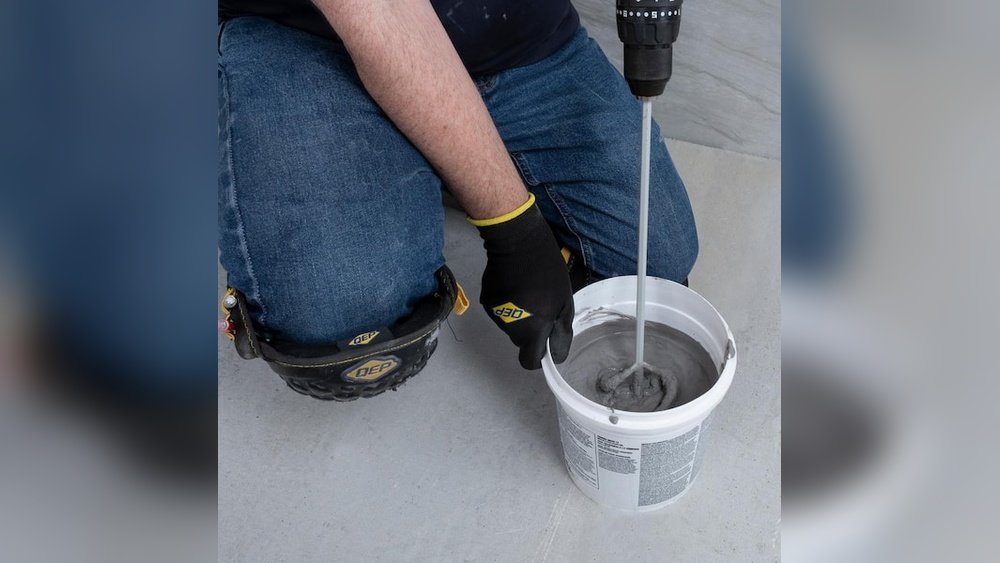
Pour the recommended amount of water into the bucket first. Slowly add thinset powder while stirring with the drill. Use a mixing paddle attached to the drill for best results. Mix at a low speed to avoid splashing. Continue mixing until the thinset looks smooth and creamy. Check for lumps and break them up with the paddle. Let the mix sit for 5 minutes to hydrate fully. Stir lightly again before use to keep the right consistency.

Credit: www.youtube.com
Common Mistakes To Avoid
Mixing thinset with a cordless drill can save time and effort. Yet, some common mistakes can ruin the mix. Avoiding these errors helps you get the right consistency and strength. Pay attention to the mixing process to achieve the best results.
Overmixing And Undermixing
Overmixing thinset can cause air bubbles in the mixture. These bubbles weaken the bond and cause cracks later. On the other hand, undermixing leaves lumps and dry powder. This stops the thinset from spreading evenly. Aim for a smooth and consistent mix, not too runny or thick.
Drill Overheating Risks
Using a cordless drill for too long can cause it to overheat. Overheating damages the drill’s motor and shortens its life. Let the drill rest after mixing for a few minutes. Use a drill with a variable speed setting to control the mix better.
Tips For Best Results
Getting the best results when mixing thinset with a cordless drill needs care and attention. Small steps make a big difference in the mix quality and ease of work. Follow these tips to get a smooth and consistent thinset mix every time.
Consistent Mixing Speed
Keep the drill speed steady while mixing thinset. Fast changes can cause lumps or splashes. A moderate speed blends the powder and water evenly. Use a drill with variable speed control for better handling. Mix in short bursts to avoid overheating the drill or mixing paddle.
Cleaning And Maintenance
Clean the mixing paddle right after use. Thinset hardens fast and is hard to remove once dry. Use water and a brush to wash off all residue. Check the drill regularly for dust and dirt. Proper cleaning extends the life of your tools and keeps mixing smooth.

Credit: www.youtube.com
When To Use Other Tools
Using a cordless drill to mix thinset works well for small jobs. Some projects need different tools for better results. Choosing the right tool depends on the amount and type of thinset. Large batches or thick mixes need more power and control. Other tools help save time and make mixing easier.
Manual Mixing Alternatives
Manual mixing uses a strong stick or trowel. It suits very small amounts of thinset. This method gives full control over mixing speed. It avoids the mess from power tools. Manual mixing works best for tiny repairs or touch-ups.
Using Specialized Mixers
Specialized mixers attach to heavy-duty drills or stand alone. They mix large amounts of thinset quickly. These mixers have paddles designed for thick materials. They reduce lumps and ensure a smooth texture. Using specialized mixers saves effort and time on big projects.
Credit: www.homedepot.com
Frequently Asked Questions
Can A Cordless Drill Effectively Mix Thinset?
Yes, a cordless drill can effectively mix thinset when equipped with a proper mixing paddle. Use a low-speed setting to ensure thorough blending without splashing. This method saves time and effort compared to manual mixing.
What Drill Speed Is Best For Mixing Thinset?
Low to medium speed (around 400-600 RPM) is best for mixing thinset. High speeds cause splashing and poor consistency. Maintaining a steady, controlled speed ensures a smooth, lump-free thinset mixture.
Is A Cordless Drill Strong Enough For Thick Thinset?
Cordless drills with sufficient torque can mix thick thinset, but powerful models work best. Lightweight drills may struggle with dense mixes. Choose a drill with at least 18 volts for better performance.
Do I Need A Special Paddle For Mixing Thinset?
Yes, use a mixing paddle designed for thinset or mortar. These paddles ensure even mixing and prevent clumps. Avoid regular drill bits, as they don’t blend materials properly.
Conclusion
Cordless drills can mix thinset well for small jobs. They save time and effort compared to mixing by hand. Use the right mixing paddle for best results. Keep the drill speed low to avoid splashing. For larger projects, a dedicated mixer might work better.
Overall, cordless drills offer a handy way to mix thinset quickly and easily. Choose tools that fit your needs and project size. Simple steps lead to smooth, even thinset every time.
