



Are you planning to travel with your cordless drill but unsure if you can bring it on an airplane? You’re not alone.
Many travelers face this exact question and worry about whether their tool will be allowed through airport security. Understanding the rules can save you from last-minute stress, delays, or even losing your drill. Keep reading to find out what you need to know to pack smart and fly worry-free with your cordless drill.
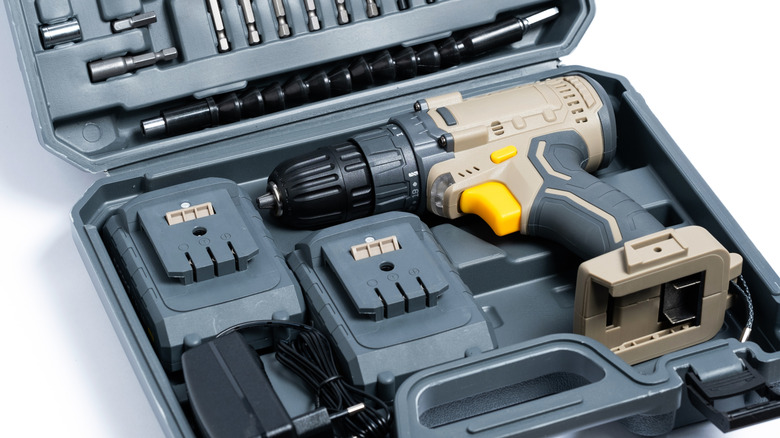
Credit: www.slashgear.com
Airline Rules For Cordless Drills
Airlines have clear rules about carrying cordless drills on planes. These tools are common, but their batteries can cause safety concerns. Understanding airline rules helps avoid delays and problems at the airport. Each airline may have its own policies, but some rules apply to all.
Battery Restrictions
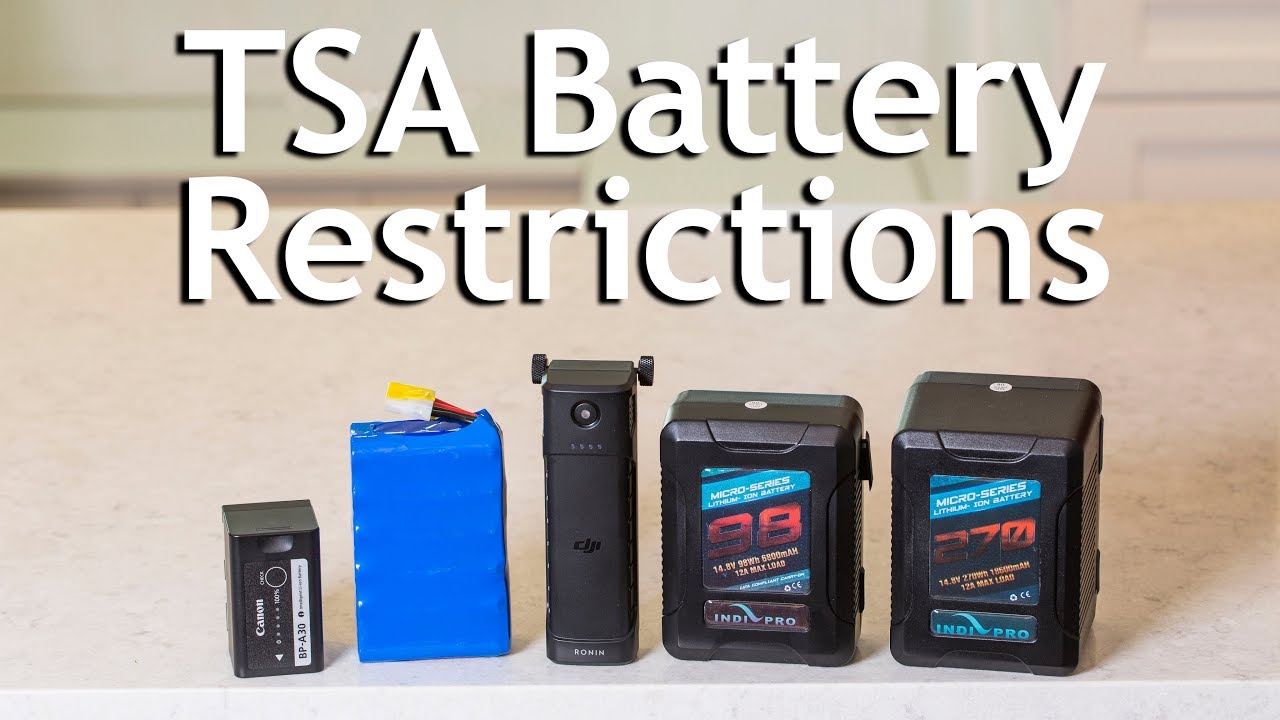
Cordless drills use lithium-ion batteries. These batteries have limits on size and power for flights. Most airlines allow batteries under 100 watt-hours (Wh) in carry-on bags. Batteries between 100 Wh and 160 Wh need airline approval. Airlines often ban loose or spare lithium batteries in checked luggage. The battery must be installed in the drill or carried in carry-on baggage. This rule helps prevent fire risks during the flight.
Carry-on Vs Checked Luggage
Airlines prefer that cordless drills go in carry-on bags. This allows crew to monitor the batteries. Checked bags may be restricted for drills with large batteries. Some airlines do not allow drills with lithium batteries in checked luggage at all. Tools without batteries usually can be checked. Removing the battery and carrying it onboard is safest. Always check with your airline before packing to avoid surprises.
Popular Airline Policies
Delta Airlines allows cordless drills in carry-on with installed batteries under 100 Wh. United Airlines follows similar rules but requires approval for batteries over 100 Wh. Southwest Airlines bans loose lithium batteries in checked bags but accepts drills with batteries installed. American Airlines limits lithium battery size and prefers carry-on storage. Each airline’s policy can change, so check the latest rules before travel. This helps keep your drill safe and your trip smooth.
Types Of Batteries Allowed
Knowing the types of batteries allowed on airplanes is important. Different batteries have different rules for air travel. This helps keep flights safe and smooth. Cordless drills use various batteries. Let’s explore which ones you can bring onboard.
Lithium-ion Battery Limits
Lithium-ion batteries power many cordless drills. Airlines limit their size and quantity. Most allow batteries up to 100 watt-hours (Wh). Larger batteries need airline approval. Carry batteries in carry-on bags only. Protect battery terminals to avoid short circuits.
Alkaline And Nimh Batteries
Alkaline and nickel-metal hydride (NiMH) batteries are common. These batteries have fewer restrictions. You can pack them in checked or carry-on luggage. Still, pack them carefully to prevent damage. Loose batteries should be in original packaging or taped.
Battery Capacity Guidelines
Battery capacity affects airline rules. Capacity is measured in watt-hours (Wh) or milliamp-hours (mAh). Check your battery label for this info. Airlines usually allow up to 100 Wh without special permission. Batteries between 100 and 160 Wh may need approval. Larger batteries are often not allowed.
Packing Your Cordless Drill
Packing your cordless drill properly helps avoid damage and delays at the airport. Careful packing keeps the drill safe and meets airline rules. Follow these steps to pack your drill right for travel.
Safe Battery Removal
Remove the battery before packing the drill. Airlines usually require batteries to be carried separately. Keep the battery terminals covered to stop short circuits. Use the original case or plastic bag for the battery. This step keeps everyone safe and prevents problems during security checks.
Protecting The Drill
Wrap the drill in bubble wrap or soft cloth. Use a sturdy box or hard case for extra protection. Place padding around the drill to stop it from moving. This prevents scratches and damage from bumps during travel.
Labeling And Documentation
Label the package clearly as “Power Tool” or “Cordless Drill.” Attach any documents that explain the battery type and safety measures. Some airlines ask for this information to allow the drill on board. Clear labeling helps airport staff handle the package properly.
Security Screening Process
Going through the security screening process at the airport can feel confusing. It is important to know what happens when you bring items like a cordless drill. Security officers check all bags and items carefully. They want to keep everyone safe on the plane. Understanding the process helps you prepare and avoid delays.
The screening involves scanning your carry-on bags and sometimes your checked luggage. Officers use machines to detect any dangerous items. They also look for things that are not allowed on board. Being ready for this step makes travel smoother.
What Tsa Looks For
The TSA checks for sharp objects, weapons, and explosives. Cordless drills have batteries and metal parts. These can trigger alarms during screening. Officers check if the drill is safe to carry. Batteries must follow TSA rules to be allowed.
They also look for loose parts or accessories. If your drill has extra bits, they may ask questions. TSA wants to make sure these tools do not pose a risk.
Tips To Speed Up Screening
Place your cordless drill in an easy-to-reach spot in your bag. Remove the battery if possible and keep it separate. Tell the TSA officer about the drill before screening starts. This helps them understand the item faster.
Arrive early at the airport to allow extra time for screening. Wear simple clothing and avoid carrying too many small items. This speeds up the entire process for you and others.
Handling Additional Inspections
Sometimes, TSA may need to inspect your drill more closely. They might open your bag or test the drill. Stay calm and answer their questions clearly. Showing cooperation makes the process quicker.
If your drill does not meet TSA rules, they may ask you to leave it behind. Know the rules before you pack. This prevents surprises at the checkpoint.
Alternatives To Carrying A Drill
Carrying a cordless drill on an airplane might not always be easy. Airlines have strict rules about tools and batteries. There are simple ways to get your work done without bringing your drill on the plane. These options save you time and hassle. They also keep your travel smooth and safe.
Renting Tools At Destination
Many places rent tools for short use. Renting a drill means no need to carry one. You get the right tool for your job. Rentals are often cheap and easy to find. This option reduces your luggage weight and size. It also avoids any airport security issues with drills.
Shipping Drills Separately
Shipping your drill to your destination can work well. Send it by mail or courier before your trip. This way, your drill arrives safely and legally. You avoid airline restrictions on batteries and sharp parts. Plan shipping time to match your trip dates. This keeps your drill ready when you arrive.
Using Manual Tools
Manual tools can do many tasks without power. A screwdriver or hand drill works for small jobs. They are light and easy to pack. Manual tools do not cause any travel issues. They are quiet and safe to use anywhere. Keep a small kit handy for simple repairs.
Credit: www.youtube.com
Common Travel Mistakes
Traveling with tools like a cordless drill can be tricky. Many travelers make simple mistakes. These errors cause delays or even confiscation of items. Knowing common travel mistakes helps you avoid trouble at the airport.
Ignoring Battery Rules
Batteries power cordless drills. Airlines have strict rules about batteries. Most require batteries to be removed from the drill. Spare batteries must be carried in carry-on bags only. Ignoring these rules can lead to denied boarding or lost tools.
Failing To Declare Tools
Some travelers hide their tools. Not declaring a cordless drill can cause problems. Security officers need to know about tools in your luggage. Declaring items avoids confusion and speeds up security checks. Always be honest about what you carry.
Improper Packaging
Poor packaging risks damage and safety issues. Drills should be packed in sturdy cases. Loose tools can cause injuries or damage other luggage. Protect the drill and batteries with padding. Proper packaging makes travel safer and smoother.
Additional Travel Tips
Traveling with tools like a cordless drill needs careful planning. Knowing extra tips helps avoid surprises at the airport. These tips guide you to travel smoothly and keep your tool safe.
Check Latest Airline Updates
Rules about carrying cordless drills can change fast. Airlines update their policies often. Visit the airline’s official website before your flight. Look for the latest rules on tools and batteries. This helps you avoid problems during security checks.
Contacting Customer Service
Have questions about carrying your drill? Call the airline’s customer service. They give clear answers about packing and carrying tools. Save their contact info for quick help. Talking to them reduces stress on travel day.
Preparing For International Flights
International flights have strict rules about batteries and tools. Check the destination country’s rules too. Some countries may require special permits or bans. Pack your drill carefully in checked luggage if allowed. Label the package to avoid confusion with security.

Credit: knaviation.net
Frequently Asked Questions
Can I Carry A Cordless Drill In My Carry-on Bag?
No, cordless drills are generally not allowed in carry-on bags. Airlines consider them potential safety risks. You should pack them in checked luggage instead.
Are Cordless Drill Batteries Allowed On Airplanes?
Batteries, especially lithium-ion, must meet airline regulations. Usually, spare batteries must be in carry-on with terminals taped. Check specific airline rules before flying.
Do I Need To Declare A Cordless Drill At Airport Security?
Yes, declare cordless drills and their batteries at security checkpoints. This helps avoid delays and ensures compliance with safety rules.
Can I Bring Cordless Drills On International Flights?
Regulations vary by country. Always check the destination’s airline and customs policies to ensure cordless drills and batteries are allowed.
Conclusion
Bringing a cordless drill on an airplane is allowed but with rules. Batteries must be carried in your hand luggage, not checked bags. Airlines want to keep all passengers safe from fire risks. Check the airline’s specific rules before you pack your drill.
Keep the drill clean and ready for security checks. Knowing these tips helps avoid surprises at the airport. Travel smart and keep your tools within the rules. Safe travels and happy drilling!
