

Are you wondering if you can power your 18V cordless drill with a 24V supply? It’s a question many DIY enthusiasts and professionals ask when they want to get the most out of their tools.
Using the wrong voltage might seem like a quick fix, but it could lead to serious damage or safety risks. You’ll discover what happens when you connect a higher voltage to your drill, whether it’s safe, and what you should do instead.
Keep reading to protect your tools and get the best performance every time.
Voltage Compatibility
Voltage compatibility is key when using power tools. It means matching the tool’s voltage with the power supply. Using the wrong voltage can harm your drill or cause it to work poorly. Understanding the differences between 18V and 24V drills helps to know what happens if you connect an 18V drill to a 24V supply.
Voltage affects the drill’s power, speed, and battery life. Too much voltage might damage the motor or battery. Too little can make the drill weak or stop working. Always check the voltage rating before connecting your drill to a power source.
Differences Between 18v And 24v Drills
18V drills are common for home and light work. They offer good power and run time for most jobs. 24V drills have stronger motors and work better for heavy tasks. They use bigger batteries that last longer but also weigh more.
18V and 24V drills are not made to use the same batteries or chargers. Their parts are built for different voltages and currents. Using a 24V supply on an 18V drill can cause problems because the drill is not designed for higher voltage.
Impact Of Higher Voltage On Drill Performance
Applying 24V to an 18V drill may increase speed and power at first. But this can overheat and damage the motor quickly. The drill’s internal parts may fail due to excess voltage. The battery and electronics may also get harmed or become unsafe.
Running an 18V drill at 24V can reduce its lifespan. The drill might stop working suddenly or become unsafe to use. For best performance and safety, always use the voltage the drill is designed for.
Risks Of Using 24v Supply On 18v Drill
Using a 24V supply on an 18V cordless drill carries serious risks. The drill is designed to work with a specific voltage. Giving it more power than it needs can harm the tool and create hazards. Understanding these risks helps you avoid damage and stay safe.
Potential Damage To Internal Components
Supplying 24V to an 18V drill can burn out the motor. The extra voltage causes parts to heat up quickly. The battery and circuit board may also fail under stress. This damage can make the drill stop working completely. Repairs might be costly or impossible.
Safety Hazards And Electrical Risks
Higher voltage can lead to electrical shorts inside the drill. These shorts increase the risk of sparks or fires. Overheating parts may cause burns or injuries. Using the wrong voltage also voids the warranty. It puts the user at risk of electric shock or accidents.
Battery And Charger Considerations
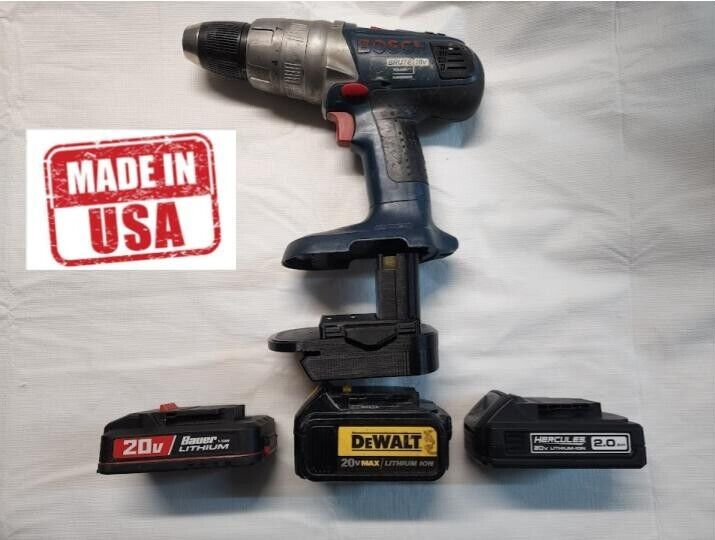
Battery and charger choices matter a lot when using power tools. Using the right battery keeps your drill safe and working well. Chargers also must match the battery voltage and type. Wrong chargers or batteries can damage your drill or cause accidents.
Using Original Vs. Third-party Batteries
Original batteries fit perfectly with your drill. They meet the brand’s safety rules and work well. Third-party batteries may cost less but can have risks. Some do not match the voltage or have poor quality. This can reduce drill life or cause failures. Always check battery specs before buying a third-party option.
Charger Compatibility And Safety
Chargers must match the battery voltage and type. Using a 24V charger on an 18V battery is unsafe. It can overcharge or heat the battery. Overheating may damage the battery or cause fire. Use chargers made for your drill’s battery. Proper chargers keep batteries healthy and extend life.

Credit: www.ebay.com
Safe Alternatives And Best Practices
Using an 18V cordless drill with a 24V power supply can cause problems. It may damage the drill or create safety risks. Safe alternatives and best practices help protect your tool and yourself. Choosing the right power source and following safety steps keeps everything running smoothly.
Choosing The Right Power Supply
Always use a power supply that matches the drill’s voltage. Using a 24V supply on an 18V drill can lead to overheating or failure. Look for batteries or chargers made for your drill’s model. Using the correct battery ensures proper power and safety. Avoid mixing batteries from different brands or voltages. Check the drill’s manual for recommended power sources. Using the right supply extends your drill’s life and performance.
Steps To Prevent Damage And Ensure Safety
Inspect your drill and battery before use. Replace worn or damaged parts immediately. Do not force the drill to work harder than it should. Keep the drill clean and dry to avoid short circuits. Use protective gear like gloves and safety glasses. Charge batteries in a well-ventilated area. Store batteries away from heat or direct sunlight. Follow all manufacturer instructions carefully. These steps reduce risk and keep your drill working well.
Signs Of Damage And When To Stop
Using an 18V cordless drill with a 24V supply can cause damage. It is important to know the signs that show the drill is not working properly. Catching problems early can save the tool from serious harm. Watch for changes in how the drill feels and sounds during use.
Identifying Overheating And Malfunctions
One sign of trouble is the drill getting very hot quickly. Overheating may happen because the voltage is too high. The drill may also stop working or work unevenly. Strange noises or sparks can appear. The battery might drain faster than usual. These are clear signs the drill is struggling.
Actions To Take If Issues Occur
Stop using the drill immediately if these signs appear. Unplug the drill and let it cool down. Check for visible damage on the drill and battery. Avoid using the drill again until it has been inspected. Consider taking it to a professional for repair. Continuing to use a damaged drill can cause more harm or be unsafe.
Credit: www.ebay.com

Credit: www.amazon.com
Frequently Asked Questions
Can I Power An 18v Drill With A 24v Battery?
No, using a 24V battery on an 18V drill can damage the tool. It may cause overheating and reduce drill lifespan. Always use the recommended voltage to ensure safety and optimal performance.
What Happens If I Use A Higher Voltage On My Drill?
Applying higher voltage than specified can overheat the drill motor. It may lead to permanent damage and void warranties. Using the correct voltage protects your drill and ensures it works efficiently.
Will My 18v Drill Run Faster On 24v Supply?
Yes, a higher voltage can increase drill speed, but it risks motor damage. The drill isn’t designed for 24V, so performance gains are unsafe and temporary.
Is It Safe To Modify An 18v Drill For 24v Use?
Modifying your drill for 24V use is unsafe and not recommended. It can cause electrical hazards and damage the drill. Stick to manufacturer guidelines for voltage compatibility.
Conclusion
Using an 18V cordless drill with a 24V supply can cause damage. The higher voltage may harm the drill’s motor and battery. Always check the drill’s specifications before connecting a different power source. Using the correct voltage keeps your tool safe and working well.
For best results, match the drill with its recommended battery. This helps you avoid costly repairs and safety risks. Remember, safety first when handling power tools. Choose the right battery for your drill every time.
