

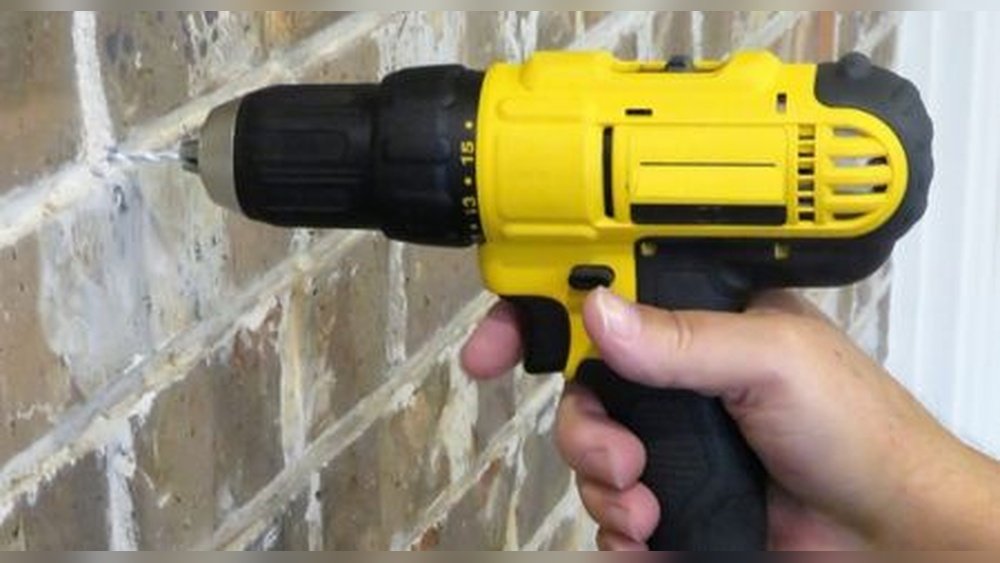
Are you wondering if your cordless drill can handle tough masonry work? You might be surprised at what this handy tool can do.
Whether you’re planning to drill into brick, concrete, or stone, knowing the right way to use your cordless drill can save you time, effort, and frustration. You’ll discover the secrets to making your cordless drill work effectively for masonry projects—and when it’s better to reach for a different tool.
Keep reading to unlock tips that will make your next DIY job easier and more successful.
Choosing The Right Cordless Drill
Choosing the right cordless drill for masonry work is important. Masonry requires power and durability. Not all drills handle hard materials well. Picking the right features makes your job easier. Consider battery, motor type, and chuck style.
Battery Power And Voltage
Battery power affects drill performance. Higher voltage means more power. For masonry, choose at least 18 volts. Bigger batteries last longer. They help drill through brick and stone. Check battery type too. Lithium-ion batteries hold charge well. They are light and recharge quickly.
Brushless Vs Brushed Motors
Brushless motors are more efficient than brushed motors. They run cooler and last longer. These motors give better power for tough jobs. Brushed motors wear out faster. Brushless drills cost more but save energy. For heavy masonry work, brushless is best.
Drill Chuck Types
Chuck type affects drill bit holding. Keyless chucks let you change bits fast. They are easy to use. Keyed chucks hold bits more tightly. This is helpful in hard materials. Choose a drill with a strong chuck. It keeps masonry bits stable and safe.

Credit: www.reddit.com
Selecting Masonry Drill Bits
Selecting the right drill bits is important for drilling into masonry. Masonry is a hard material like brick, stone, or concrete. Not all drill bits work well on these surfaces. Choosing the correct bit helps you drill faster and prevents damage to your drill or the surface.
Material And Coating
Masonry drill bits usually have tips made from tungsten carbide. This material is very hard and lasts longer. Some bits have a special coating to reduce heat and wear. This coating helps the bit stay sharp and work better on rough surfaces.
Tip Design For Masonry
The tip of the bit is different from regular bits. It often has a chisel or pointed shape. This design helps break the hard surface while drilling. A good tip reduces slipping and makes drilling easier. Look for bits labeled for masonry use.
Size And Length Considerations
Choose the size of the drill bit based on the hole you need. Bigger holes need larger bits. The length matters too. Longer bits reach deeper but may bend if too thin. Pick a bit that matches the depth and width of your project.
Preparing For Masonry Drilling
Preparing for masonry drilling requires careful steps to ensure safety and accuracy. Masonry materials like brick, stone, or concrete are tough. Drilling into them needs the right approach and tools. Taking time to prepare improves the quality of your work and keeps you safe.
Safety Gear Essentials
Wear safety glasses to protect your eyes from dust and chips. Use ear protection to guard against loud drilling noise. Gloves help shield your hands from rough surfaces and vibration. A dust mask prevents inhaling fine particles. Dress in sturdy clothes and closed shoes for extra protection.
Marking And Measuring
Measure the spot carefully before drilling. Use a pencil or marker to make clear marks. Check that the marks are level and straight. Double-check the measurements to avoid mistakes. Accurate marking helps guide the drill and prevents errors.
Drill Settings To Use
Select the hammer or percussion mode on your cordless drill if available. Use a slow to medium speed to start drilling. High speed can damage the drill bit or material. Choose a masonry drill bit designed for hard surfaces. Adjust pressure evenly to avoid slipping or cracking.
Techniques For Effective Masonry Drilling
Drilling into masonry requires specific techniques to get clean holes and avoid damage. The right approach helps the drill bit last longer and work better. Using a cordless drill for masonry is possible with careful handling and proper methods.
Focus on drill angle, pressure, cooling, and dust control. These factors improve drilling quality and protect your tools. Follow these tips for effective masonry drilling with a cordless drill.
Drill Angle And Pressure
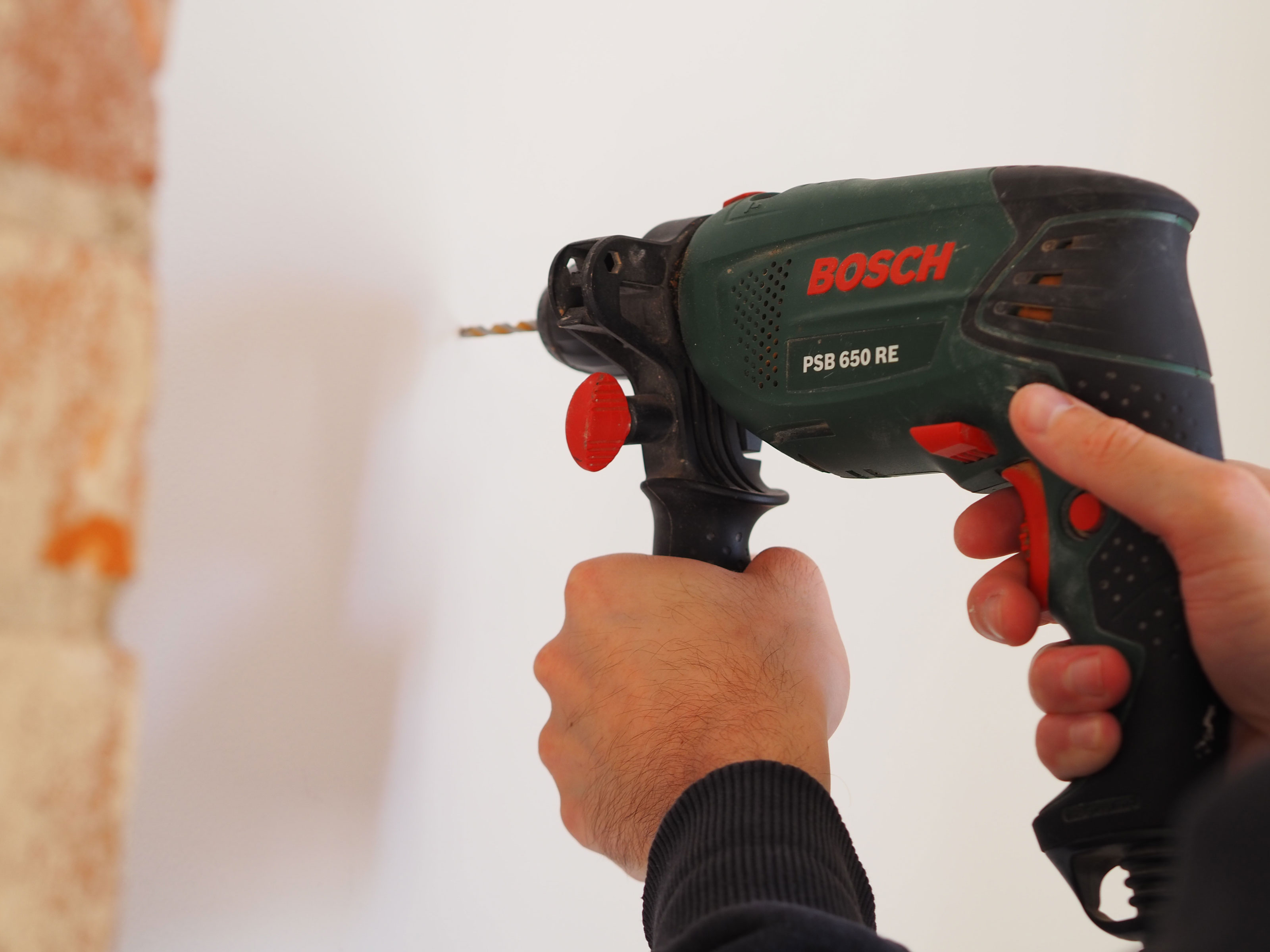
Hold the drill perpendicular to the masonry surface. A straight angle helps the bit cut evenly. Avoid tilting the drill as it may cause bit slipping or uneven holes.
Apply steady pressure. Push the drill firmly but do not force it. Too much pressure can break the bit or damage the material. Let the drill do the work at a steady pace.
Cooling And Dust Control
Heat builds up quickly during masonry drilling. Stop drilling every few seconds to cool the bit. Use water or a damp cloth to reduce heat if possible.
Dust can block the hole and damage the drill bit. Clear dust by pulling the bit out occasionally. Use a small brush or blow air to remove debris from the hole.
Preventing Bit Overheating
Overheating weakens the drill bit and reduces its lifespan. Take breaks to allow the bit to cool down. Avoid continuous drilling for long periods.
Use bits made for masonry, like carbide-tipped ones. They handle heat better and last longer. Keep the drill speed moderate to prevent excess heat build-up.
Common Challenges And Solutions
Using a cordless drill for masonry work can be tricky. There are common challenges that many face. Knowing these problems and their fixes helps a lot. It makes your work smoother and safer. Below are some main issues and how to solve them.
Dealing With Hard Masonry
Hard masonry can stop your drill quickly. Using a regular drill bit will wear it out fast. Choose a masonry drill bit with carbide tips. These bits are stronger and last longer.
Start drilling slowly. Let the drill do the work. Pushing too hard can break the bit or damage the drill. Take breaks to avoid overheating the drill and bit.
Avoiding Drill Bit Slippage
Slippage wastes time and can ruin your hole. Make a small mark or dent where you want to drill. This helps the bit stay in place.
Use bits with a good grip and sharp edges. Hold the drill steady and straight. Keep a firm grip to control the drill better.
Handling Drill Battery Drain
Masonry drilling uses more power than wood or metal. Your cordless drill battery may drain fast. Keep extra batteries charged and ready.
Lower the drill speed to save battery. Use short drilling sessions. This prevents the drill from overheating and losing power quickly.
Credit: www.homebuilding.co.uk
Maintenance Tips For Your Cordless Drill
Taking care of your cordless drill is important for long-lasting use. Masonry work can leave dust and debris on your drill. Regular maintenance keeps it running smoothly and safely. Simple steps can protect your tool and save money on repairs.
Cleaning After Masonry Work
Remove dust and dirt after each use. Use a soft brush or cloth to clean the drill’s exterior. Avoid water near the motor or battery. Clean the vents to prevent overheating. Keep your drill dry and free of debris.
Battery Care And Storage
Charge the battery fully before storing. Store batteries in a cool, dry place. Avoid extreme heat or cold. Remove batteries if you won’t use the drill for a long time. Use the battery regularly to keep it healthy.
Replacing Worn Drill Bits
Check drill bits often for wear or damage. Dull bits make drilling harder and strain the drill. Replace bits that are cracked or bent. Use bits made for masonry for best results. Proper bits improve performance and protect your drill.

Credit: www.youtube.com
Frequently Asked Questions
Can A Cordless Drill Handle Masonry Drilling?
Yes, cordless drills can handle light masonry drilling with the right masonry bit. For heavy-duty tasks, a hammer drill is better suited.
What Type Of Drill Bit Is Best For Masonry?
Use carbide-tipped masonry bits for drilling into brick, stone, or concrete. They are durable and designed specifically for hard surfaces.
How Do I Protect My Cordless Drill During Masonry Work?
Use a drill with a hammer function and avoid overheating. Take breaks and use proper bits to extend drill life.
Can A Cordless Drill Drill Through Concrete Blocks?
Yes, a powerful cordless drill with hammer action can drill through concrete blocks effectively, especially with the right masonry bits.
Conclusion
A cordless drill can work for light masonry tasks. Choose the right drill bit made for masonry. Use slow speed and steady pressure to avoid damage. Keep your battery charged for better performance. For heavy or large jobs, a hammer drill is better.
Safety gear is important to protect yourself. This way, you get the job done without trouble. Remember, the right tool makes work easier and safer.
