


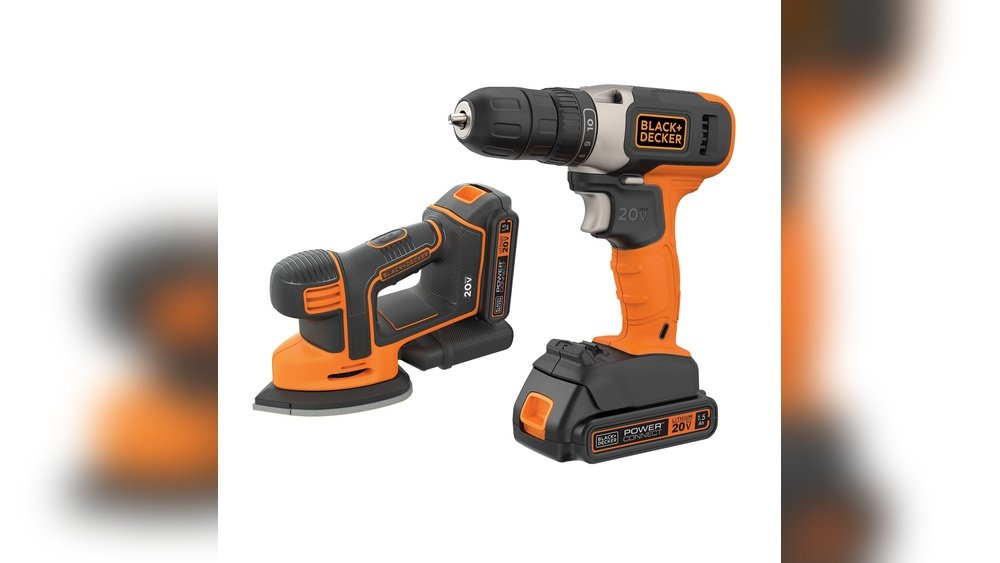
Have you ever stared at your cordless drill and wondered if it could do more than just drill holes? Maybe you need to sand down a rough surface, but don’t have a sander handy.
You might be asking yourself, “Can I use my cordless drill as a sander? ” The idea sounds tempting—saving money, space, and time by using one tool for multiple jobs. But is it really that simple? Keep reading, and you’ll discover the truth about turning your drill into a sanding powerhouse, plus tips to do it safely and effectively.
Don’t start your next project without knowing this!
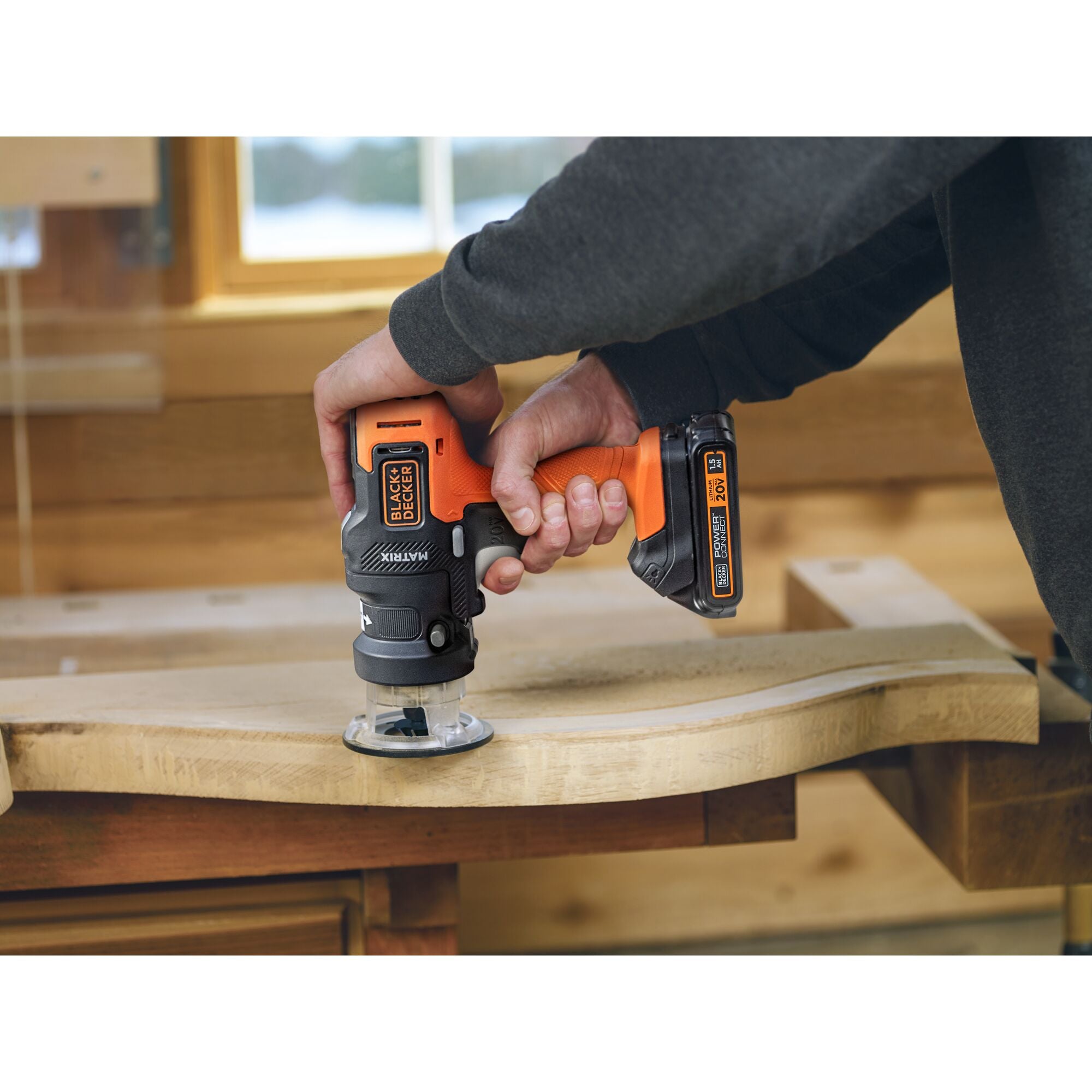
Credit: www.blackanddecker.com
Cordless Drill Basics
A cordless drill is a popular tool for many home projects. It runs on a rechargeable battery. This means no cords to limit your movement. It is designed to drill holes and drive screws quickly. Many people keep one in their toolbox.
Understanding the basic parts and uses helps you decide if it can work as a sander. The power, speed, and attachments matter. Knowing these features clears up common questions about its use.
Key Features
A cordless drill has a motor that spins a drill bit or driver bit. It usually has multiple speed settings. This lets you control how fast it spins. The battery life varies but can last for hours. Most drills have a chuck to hold different bits tightly. Some models offer a hammer function for tougher jobs.
The grip is designed for comfort and control. Some drills have a built-in light to help in dark areas. The weight is balanced for easy handling. These features make the drill versatile for many tasks.
Common Uses
People use cordless drills mainly to make holes in wood, metal, or plastic. They also drive screws into surfaces quickly. Some use drills for mixing paint or small amounts of mortar with special attachments. The drill can tighten bolts or remove old screws. It is helpful in furniture assembly and repair work.
While sanding is not a main use, some attach sanding discs or pads. This can work for light sanding tasks. But the drill is not made for long sanding jobs or smooth finishes. Understanding these uses helps in choosing the right tool for sanding.
Credit: www.homedepot.com
Sanding With A Drill
Sanding with a drill can save time and effort on small projects. A cordless drill can work like a sander with the right setup. This method is handy for smoothing wood or removing paint. It is important to choose the right tools to avoid damage. Below are tips on suitable attachments and how to attach sanding pads.
Suitable Attachments
Not all drill attachments fit the sanding job. Look for sanding discs made for drills. These discs often have a hook-and-loop backing. They stick easily to the sanding pad. Another option is drum sanders that fit into the drill’s chuck. These are good for curved surfaces. Choose the size that matches your project. Avoid rough grit sandpapers at first. Start with medium grit for better control.
How To Attach Sanding Pads
First, remove the drill bit. Attach the sanding pad adapter to the drill chuck. Tighten it firmly so it does not slip. Stick the sanding disc onto the pad using the hook-and-loop system. Make sure the disc is centered and flat. This prevents uneven sanding and damage. Test the drill at low speed before starting. Hold the drill steady and move smoothly over the surface.
Pros And Cons
Using a cordless drill as a sander has both good and bad points. This section explains the pros and cons clearly. It helps decide if this tool hack fits your needs.
Advantages Of Using A Drill As A Sander
A drill can work as a sander with the right attachment. It saves money by avoiding buying a separate sander. Cordless drills are easy to handle and move around. They fit small jobs and tight spaces well. The drill’s variable speed lets you control sanding power. This flexibility suits different materials and surfaces.
Limitations To Consider
A drill is not made for sanding tasks. It may not sand as smoothly as a real sander. Attachments can slip or wear out fast. Long sanding jobs can drain the drill’s battery quickly. Drills may be heavier and less balanced for sanding. The finish might be uneven or rough without practice.
Step-by-step Sanding Guide
Using a cordless drill as a sander is possible with the right steps. This guide helps you get smooth surfaces safely and easily. Follow each step to prepare, sand, and protect yourself during the process.
Preparing The Surface
Start by cleaning the area you want to sand. Remove dirt, dust, and grease. Use a cloth or brush for this task. Check for nails or screws that might damage the sanding pad. Cover or remove them before sanding. Choose the right sandpaper grit for your project. Attach the sandpaper securely to the drill or sanding attachment.
Sanding Techniques
Hold the drill firmly but do not press too hard. Let the sandpaper do the work. Move the drill in slow, even strokes across the surface. Overlap each stroke slightly for even sanding. Keep the drill flat to avoid uneven spots. Change sandpaper if it wears out or clogs. Test the smoothness often by touch or sight.
Safety Precautions
Wear safety goggles to protect your eyes from dust. Use a dust mask to avoid breathing particles. Work in a well-ventilated area. Keep your hands away from the spinning sandpaper. Unplug or turn off the drill when changing sandpaper. Wear gloves to protect your skin from rough surfaces. Take breaks to avoid hand fatigue.
Alternative Tools For Sanding
Sanding is an important step in many home projects. Using the right tool makes the job easier and faster. There are many tools you can use for sanding, not just a cordless drill. Choosing the correct tool helps get smooth and even surfaces.
Here are some common options for sanding besides a drill. Each tool works best in different situations.
Dedicated Sanders
Dedicated sanders are made specifically for sanding tasks. They come in various types like orbital, belt, and detail sanders. These tools offer better control and smoother results. Sanders remove material evenly without damaging the surface. They also reduce dust with built-in collection systems. For large or detailed sanding jobs, dedicated sanders save time and effort.
When To Choose A Drill
A cordless drill can work for light sanding with the right attachment. It is handy for small or hard-to-reach spots. Drills are useful for quick touch-ups or shaping edges. They are not ideal for large surfaces or fine finishes. Using a drill for sanding requires careful control to avoid uneven results. Choose a drill only if you have the correct sanding pad and need light sanding.
Maintenance Tips
Maintaining your cordless drill and its attachments is key for safe and effective sanding. Proper care keeps your tools working longer and ensures better results. Small habits can make a big difference.
Caring For Drill Attachments
Clean attachments after each use. Dust and debris can reduce their performance. Use a soft brush to remove particles from sanding pads and discs. Store attachments in a dry place to prevent rust or damage. Check for wear often. Replace any worn or torn sanding pads to keep your work smooth and even.
Extending Tool Life
Do not overload your drill. Using the correct speed for sanding protects the motor. Avoid pressing too hard. Let the drill do the work to prevent overheating. Charge the battery fully and avoid deep discharges to keep battery health strong. Regularly inspect the drill for loose parts or damage. Tighten screws and fix issues quickly to avoid bigger problems.

Credit: www.youtube.com
Frequently Asked Questions
Can I Use A Cordless Drill For Sanding Wood?
Yes, you can use a cordless drill for sanding wood by attaching a sanding disc. However, it’s less efficient than a dedicated sander and may not provide smooth finishes on large surfaces.
What Attachments Turn A Drill Into A Sander?
Sanding disc attachments or flap wheels can convert a drill into a sander. These accessories fit on the drill chuck and allow basic sanding tasks, but they work best for small or light sanding jobs.
Is Sanding With A Cordless Drill Safe?
Sanding with a cordless drill is generally safe if you use the right attachments and wear protective gear. Avoid applying excessive pressure to prevent damage to both the drill and the surface.
How Effective Is A Cordless Drill As A Sander?
A cordless drill is moderately effective for light sanding and detail work. It lacks the power and smooth motion of a dedicated sander, making it unsuitable for large or heavy sanding projects.
Conclusion
A cordless drill can work as a sander for small jobs. It saves money and space in your toolbox. But it may not give smooth results like a real sander. Use the right attachments and go slow to avoid damage.
For big or detailed sanding, a proper sander is best. Choose tools that fit your project needs and skill level. This way, your work stays safe and looks good. Try simple sanding tasks with your drill first. Practice helps you get better and avoid mistakes.
