


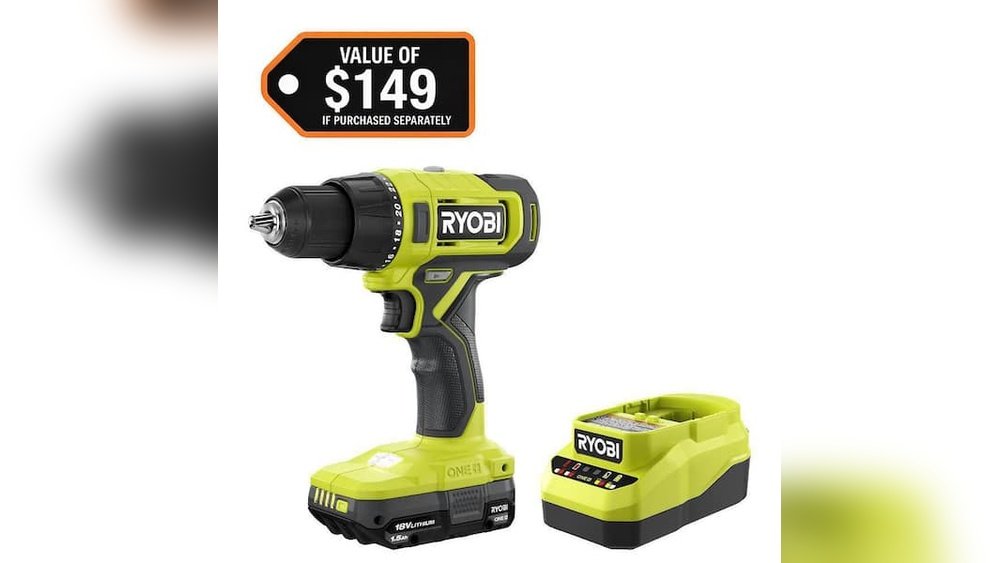
Have you ever been in the middle of a project and wondered if you could keep using your cordless drill while it’s charging? It’s a question many people ask because the last thing you want is to stop working or risk damaging your tool.
What if there’s a simple answer that can save you time and frustration? You’ll discover whether it’s safe to use your cordless drill during charging and what you should keep in mind to protect both your drill and yourself. Keep reading—you’ll want to know this before your next project.

Credit: www.amazon.com
How Cordless Drills Charge
Cordless drills rely on rechargeable batteries for power. These batteries store energy to run the drill without a cord. Charging the battery is a key step to keep the drill working. Understanding how these batteries charge helps you use your drill safely and effectively.
The charging process varies by battery type and charger design. Knowing the basics of battery types, charging methods, and safety features is important. This knowledge helps you decide if you can use a drill while it charges.
Battery Types
Cordless drills use mainly three battery types: nickel-cadmium (NiCd), nickel-metal hydride (NiMH), and lithium-ion (Li-ion). NiCd batteries are older and heavier but affordable. NiMH batteries hold more charge but weigh more. Li-ion batteries are light, last longer, and charge faster. Each type affects charging time and drill performance.
Charging Mechanisms
Battery chargers supply electric current to restore battery power. Chargers may be simple or smart. Simple chargers give a constant current until full. Smart chargers monitor battery condition. They adjust current to prevent overheating or overcharging. Some drills allow charging in the drill body. Others require removing the battery to charge separately.
Safety Features
Modern chargers include safety features to protect batteries and users. Overcharge protection stops charging once the battery is full. Temperature sensors prevent overheating during charging. Short circuit protection avoids electrical faults. These features reduce risks like battery damage or fire. Always use the charger designed for your drill brand and model.

Credit: www.reddit.com
Using A Drill While Charging
Using a cordless drill while it is charging can be tempting. It saves time and keeps your project moving. Many wonder if it is safe or if the drill will work properly. Understanding the facts helps you decide the best way to use your tool.
Manufacturer Guidelines
Most manufacturers advise against using the drill while charging. They design chargers and batteries to work separately. Using the drill during charging can cause damage to the battery. Always read the user manual before using the drill this way. Following the guidelines protects your tool and extends its life.
Risks Involved
Using a drill while charging increases the risk of overheating. The battery and charger may get too hot. This can reduce battery life or cause failure. There is also a risk of electric shock if the charger or battery is damaged. Poor connection or loose cords can cause sparks. Safety should be your top priority when using power tools.
Common Misconceptions
Many believe using the drill while charging is safe if it still works. Some think newer batteries are immune to damage. Others assume it saves time without harm. The truth is using the drill on charge often stresses the battery. It may cause faster wear or sudden failure. Checking the specific drill model’s instructions clears up confusion.
Impact On Battery Life
Using a cordless drill while it charges can affect the battery’s health. The battery works harder and may heat up. This extra stress can reduce how long the battery lasts. Understanding the impact on battery life helps you use your drill better.
Heat Generation
Heat is a major factor that harms battery life. Charging and working at the same time creates extra heat. High heat can damage the battery’s cells inside. Over time, this damage lowers the battery’s power and life span. Keeping the drill cool helps protect the battery.
Battery Wear
Using the drill while charging causes more battery wear. The battery cycles faster, which means it charges and discharges more. This speeds up the loss of battery capacity. Frequent wear reduces how long the battery holds a charge. Avoiding use during charging helps keep the battery healthier.
Performance Over Time
Battery performance drops after repeated use while charging. The drill may run shorter on a full charge. Power output can also decrease. This means less drilling time and weaker performance. Using the drill only after charging can keep performance steady longer.
Safety Precautions
Using a cordless drill while charging can be tempting but requires caution. Safety is a top priority to avoid accidents or damage. Follow simple steps to keep yourself and your tool safe during use and charging.
Understanding safety precautions helps prevent electrical hazards and overheating. Proper care extends your drill’s life and improves performance.
Proper Charging Environment
Charge your drill in a dry, clean place. Avoid damp or dusty areas to protect the battery and charger. Keep the drill on a flat, stable surface during charging. Do not charge near flammable materials. Ensure good ventilation to prevent heat buildup.
Avoiding Electrical Hazards
Use the charger that comes with your drill. Different chargers may cause short circuits or damage. Check the power cord for cuts or frays before plugging in. Never handle the charger or drill with wet hands. Unplug the charger if you notice sparks or unusual smells.
Handling Overheating
Stop charging if the drill or battery feels hot. Overheating can damage the battery and cause hazards. Let the tool cool down before use or charging again. Avoid charging for too long beyond the recommended time. Use the drill in short bursts to prevent it from heating up during use.
Alternatives To Using While Charging
Using a cordless drill while charging is not always safe or practical. Many drills do not allow this because it can damage the battery or the tool. There are better ways to keep working without waiting for the drill to charge fully. These options help you stay productive and avoid interruptions.
Spare Batteries
Having extra batteries is a smart choice. You can swap a dead battery with a fully charged one and keep working. This method avoids downtime and keeps projects moving. Keep your spare batteries charged and ready to use at any time.
Corded Drill Options
Corded drills work directly from a power outlet. They do not need charging, so you can work continuously. These drills are reliable for long jobs or heavy tasks. They can be a good backup when battery power runs out.
Quick Charge Technologies
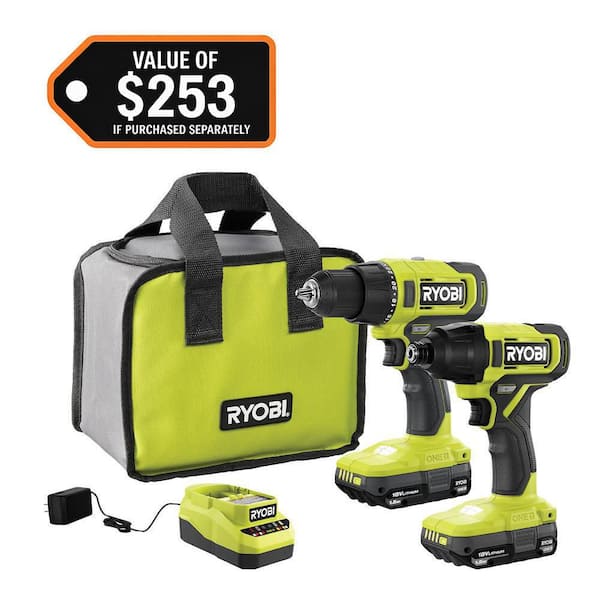
Some cordless drills come with fast chargers. These chargers power up batteries in a short time. Quick charging reduces waiting periods and gets you back to work faster. Check if your drill supports quick charge for better efficiency.
Credit: www.homedepot.com
Frequently Asked Questions
Can You Use A Cordless Drill While Charging?
Yes, many modern cordless drills allow use during charging. However, it depends on the drill model and charger type. Always check the manufacturer’s guidelines to avoid damaging the battery or drill.
Is It Safe To Operate A Cordless Drill When Charging?
Generally, it is safe if the drill supports it. Using a drill while charging can cause overheating if not designed for simultaneous use. Follow safety instructions to prevent accidents or battery damage.
Does Using A Drill While Charging Affect Battery Life?
Using a drill during charging may slightly reduce battery lifespan. Heat generated from simultaneous use and charging can degrade battery cells faster. For best battery health, avoid using the drill while it charges.
Why Won’t My Cordless Drill Work While Charging?
Some cordless drills have safety features that disable operation during charging. This prevents electrical issues and battery damage. Check your drill’s manual to understand its charging and usage limitations.
Conclusion
Using a cordless drill while charging depends on the model and battery type. Some drills allow it safely; others do not. Always check your drill’s manual before trying. Using the drill during charging might cause damage or reduce battery life.
It’s best to wait until the battery is fully charged to work smoothly. Taking care of your tool helps it last longer. Stay safe and follow the manufacturer’s instructions for the best results. This way, your drill will serve you well over time.
