

When you’re shopping for a cordless drill, one question probably pops into your mind: how many volts do you really need? Choosing the right voltage isn’t just about power—it affects how well your drill performs, how long the battery lasts, and even your comfort while using it.
If you pick the wrong one, you might end up with a tool that’s either too weak or too bulky for your needs. You’ll discover the key facts that help you find the perfect balance, so your drill works exactly the way you want it to.
Keep reading, and you’ll never have to guess about volts again.
Cordless Drill Voltage Basics
Understanding cordless drill voltage is key to choosing the right tool. Voltage impacts power, runtime, and weight. Knowing the basics helps pick a drill that fits your needs. This section breaks down voltage essentials to make your choice clearer.
What Voltage Means
Voltage shows how much power the drill’s battery can deliver. Higher voltage means more power to handle tough jobs. Lower voltage drills are lighter and easier to carry. Voltage affects speed and drilling strength. It is not the only factor, but it is important.
Common Voltage Ranges
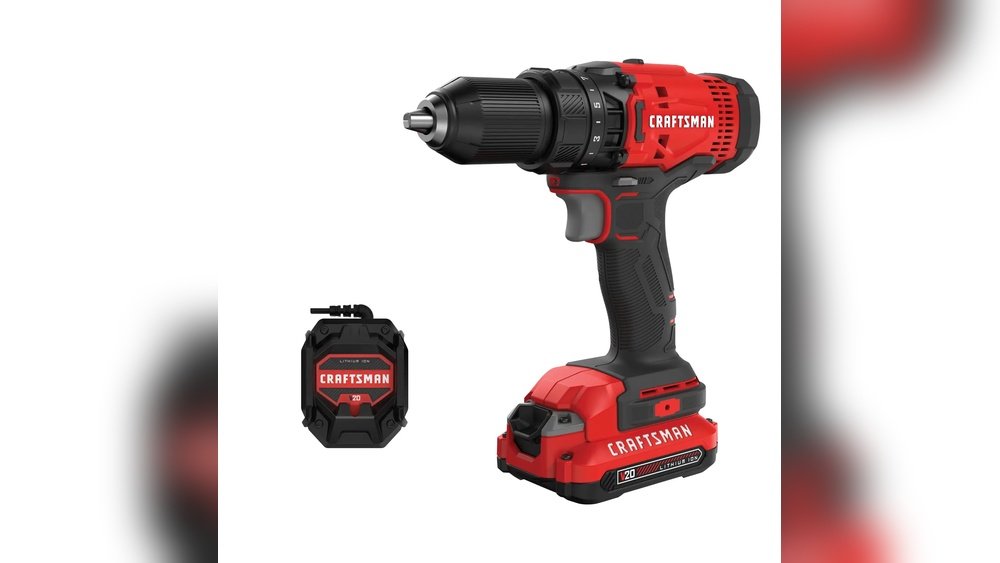
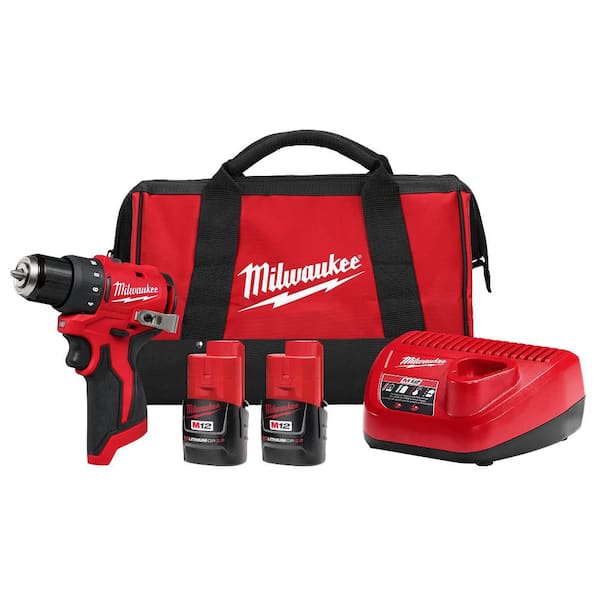
Cordless drills usually come in 12V, 18V, and 20V models. 12V drills work well for light tasks like hanging pictures. 18V drills suit most home and workshop projects. 20V drills offer extra power for heavy-duty work. Each range fits different jobs and users.

Credit: www.onallcylinders.com
Impact Of Voltage On Performance
The voltage of a cordless drill plays a big role in how well it works. It affects the drill’s strength and how long the battery lasts. Choosing the right voltage depends on the tasks you plan to do. Higher voltage usually means more power but can also affect the drill’s weight and battery life.
Power And Torque
Voltage impacts the drill’s power and torque. Higher voltage drills provide more torque. This means they can drill through tough materials faster and easier. Low voltage drills work well for light tasks like assembling furniture. High voltage drills handle heavy jobs like drilling into wood or metal.
Battery Life And Efficiency
Battery life changes with voltage levels. Higher voltage batteries often last longer but may take more time to charge. Low voltage drills have smaller batteries that charge quickly but run out faster. Efficiency depends on the battery type and how you use the drill. Picking the right voltage helps balance power and battery life.
Choosing Voltage By Task
Choosing the right voltage for a cordless drill depends on the task you plan to do. Different jobs need different power levels. Picking the correct voltage helps you work faster and avoid damage to the drill or your project. Below is a simple guide to match voltage with your work.
Light-duty Projects
For small tasks like hanging pictures or assembling furniture, a low-voltage drill is best. Drills with 12 volts or less provide enough power for these jobs. They are light and easy to handle. This makes them ideal for quick fixes or simple home chores.
Medium-duty Projects
Projects like building shelves or drilling into wood need more power. A drill with 12 to 18 volts fits these needs well. It offers good balance between strength and battery life. These drills handle tougher materials without being too heavy.
Heavy-duty Projects
For demanding tasks such as drilling into metal or masonry, higher voltage is necessary. Choose a drill with 18 volts or more. These drills deliver strong, consistent power. They can work longer and handle big jobs without overheating.
Credit: ronixtools.com
Battery Types And Compatibility
Choosing the right battery type is key for cordless drills. Batteries affect power, weight, and how long the drill works. Not all batteries fit all drills. Knowing about battery types and compatibility helps you pick the best drill for your needs.
Lithium-ion Vs Nickel-cadmium
Lithium-Ion (Li-ion) batteries are lighter and last longer than Nickel-Cadmium (NiCd) batteries. Li-ion batteries charge faster and hold power well. NiCd batteries are heavier and may lose charge quickly. They also suffer from memory effect, reducing battery life. Most new drills use Li-ion batteries for better performance and longer life.
Interchangeable Batteries
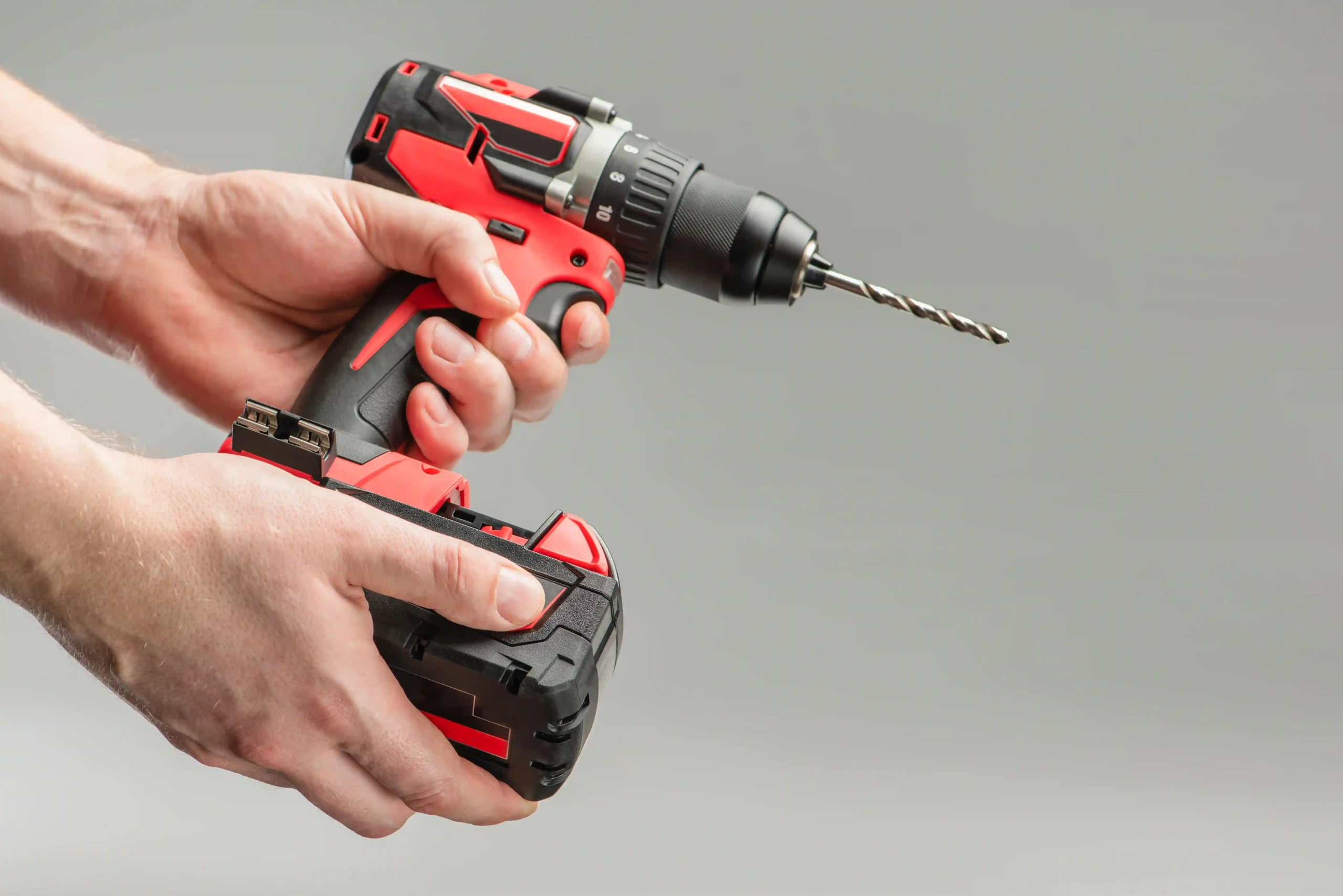
Some brands design batteries to work with many tools. Interchangeable batteries save money and space. You can use one battery for a drill, saw, or blower. Always check if the battery fits your drill model. Using the wrong battery can damage the tool or reduce power. Choose brands that offer battery compatibility for ease and value.
Voltage And Drill Size
Voltage plays a key role in choosing the right cordless drill. It affects the drill’s power and size. Higher voltage means more power and usually a bigger drill. Lower voltage drills are smaller and lighter but less powerful. Understanding voltage helps pick a drill that fits your tasks and comfort.
Compact Drills
Compact drills usually have 12 volts or less. They are light and easy to use. Great for small jobs like hanging pictures or assembling furniture. These drills work well in tight spaces. They do not drain your energy quickly. Perfect for beginners or quick fixes.
Standard Drills
Standard drills range from 12 to 18 volts. They balance power and weight well. Suitable for most home projects and repairs. These drills can handle wood, metal, and plastic. Many users find 18 volts to be the best all-round choice. They offer more power without being too heavy.
Heavy-duty Drills
Heavy-duty drills have 18 volts or more, sometimes up to 24 volts. These drills deliver strong power for tough jobs. Ideal for drilling into concrete or thick wood. They are larger and heavier, requiring more strength to handle. Professionals or serious DIYers often choose these drills. They get the job done fast and efficiently.
Safety And Voltage Considerations
Choosing the right voltage for a cordless drill affects safety. Higher voltage drills have more power. This power can cause safety risks if not handled properly. Knowing how voltage affects safety helps you use the drill correctly. Keep your work safe and avoid damage by understanding these points.
Overheating Risks
Higher voltage drills can get hot quickly. Overheating may damage the battery or motor. Heat also increases the chance of fire. Avoid using the drill for long periods without breaks. Let the drill cool down often. Watch for signs like a burning smell or smoke. Stop using the drill if it feels too hot.
Proper Handling
Use the drill with care to stay safe. Hold it firmly with both hands. Keep fingers away from the drill bit. Wear safety glasses to protect your eyes. Never touch the battery terminals with wet hands. Store the drill in a dry place. Follow the manufacturer’s instructions for charging and use. Safe handling reduces risks and extends drill life.
Cost Vs Voltage Trade-offs
Choosing the right cordless drill voltage affects both cost and performance. Higher voltage drills often cost more. But lower voltage models may save money upfront. Balancing cost and voltage helps find the best fit for your needs. This section explores how price changes with voltage and what offers the best value for your money.
Higher Voltage Costs
Drills with higher voltage usually cost more. More power means bigger batteries and better motors. These parts add to the price. A 20-volt drill can be twice as expensive as a 12-volt model. Higher voltage also means heavier tools. This can affect comfort during long use. Think about how often you need high power before buying.
Value For Money
Lower voltage drills work well for light tasks. They cost less and weigh less too. For occasional jobs, these drills save money. Higher voltage drills last longer on tough jobs. They can handle harder materials without slowing down. Spending more might save time and effort. Match the drill voltage to your typical projects for best value.
Tips For Maintaining Battery Health
Maintaining the battery health of your cordless drill is key to its long life and strong performance. Batteries lose power over time if not cared for properly. Good habits keep your drill ready and working well. Follow these tips to keep your battery in top shape.
Charging Best Practices
Use the charger that comes with your drill. Avoid cheap or wrong chargers. Charge the battery before it gets completely empty. Avoid overcharging by unplugging once full. Charge in a cool, dry place to prevent damage. Do not use the drill while charging. Let the battery cool down before charging again.
Storage Tips
Store the battery in a dry, cool spot. Avoid very hot or very cold places. Remove the battery from the drill if storing for a long time. Charge the battery to about 50% before storing. Check the battery every few months and recharge if needed. Keep the battery away from metal objects to avoid short circuits.
Credit: www.homedepot.com
Frequently Asked Questions
What Voltage Is Best For Light Diy Cordless Drills?
For light DIY tasks, a 12V cordless drill is ideal. It offers enough power for basic drilling and screwdriving, while being lightweight and easy to handle for beginners.
How Many Volts Do Professional Cordless Drills Use?
Professional cordless drills usually range from 18V to 20V. This voltage range delivers higher power and longer runtime, perfect for demanding jobs and frequent use.
Does Higher Voltage Mean Better Cordless Drill Performance?
Higher voltage generally means more power and torque. However, efficiency depends on battery quality and motor design, not just voltage alone.
Can I Use A Low Voltage Drill For Heavy-duty Work?
Low voltage drills (12V or less) are not suitable for heavy-duty tasks. They lack the power and battery life needed for tough materials.
Conclusion
Choosing the right volts depends on your drilling needs. Low volts suit light tasks like hanging pictures. Higher volts work better for heavy jobs, like building decks. Balance power with weight for easy use. Remember, battery life also matters in cordless drills.
Pick a drill that fits your projects and comfort. This helps you work faster and with less effort. A suitable drill makes every job easier and more fun.
