


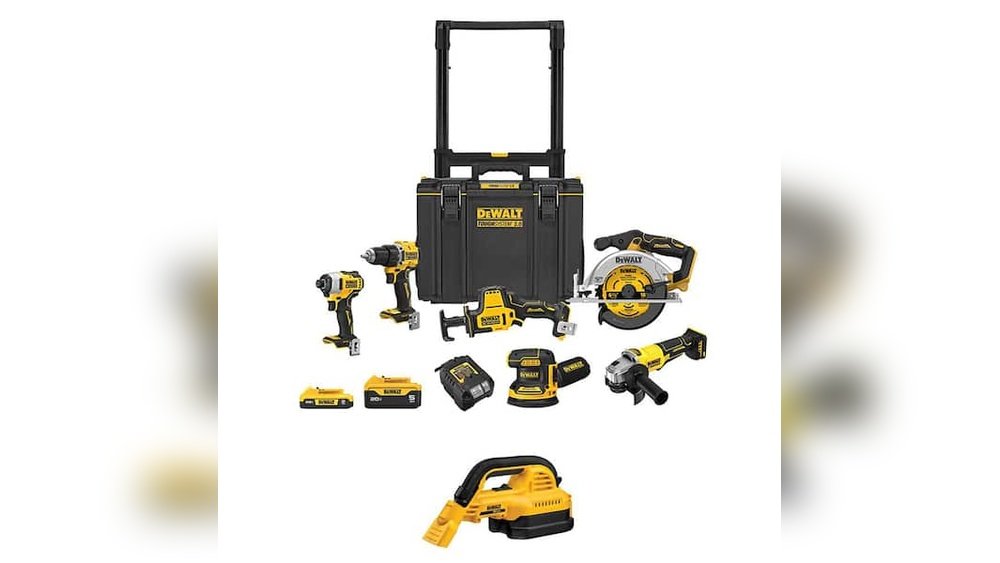
Have you ever dropped your cordless drill into water or noticed it acting strange after a spill? If your drill got wet, drying it out quickly and properly is crucial to save it from lasting damage.
You might feel stuck, unsure of what to do next, but don’t worry—this guide will walk you through simple steps to dry out your cordless drill safely. Keep reading, and you’ll learn how to bring your drill back to life, avoid costly repairs, and get back to work without delay.
Common Causes Of Moisture In Cordless Drills
Moisture inside a cordless drill can cause many problems. It may lead to rust, electrical failure, or battery damage. Knowing the common causes helps prevent moisture buildup. It also guides proper drying methods to keep the drill working well.
Exposure To Rain Or Water
Using a cordless drill outdoors can expose it to rain or splashes. Water can enter the drill through vents and seams. Even small amounts cause damage over time.
High Humidity Environments
Storing drills in damp places causes moisture to collect inside. Basements and garages often have high humidity. This moisture can settle on internal parts.
Condensation From Temperature Changes
Moving a drill from cold to warm places causes condensation. Water droplets form inside the tool. This happens during winter or sudden weather changes.
Accidental Spills
Spilling liquids near the drill can soak into the casing. Drinks, cleaning fluids, or water from hands cause this. The liquid seeps inside and harms components.
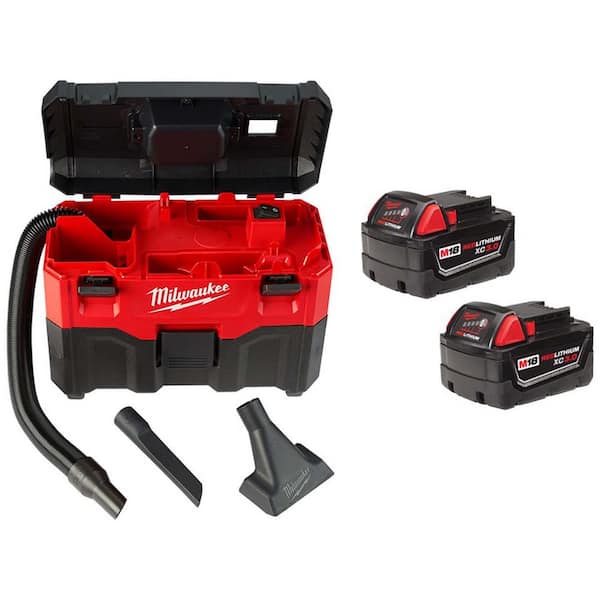
Credit: www.homedepot.com
Signs Your Drill Is Wet
Knowing the signs your cordless drill is wet helps prevent damage. Early detection saves your tool and your work. Spotting moisture issues quickly lets you act fast. Here are key signs that your drill has gotten wet.
Visible Water Or Dampness On The Drill
Check your drill for drops or wet spots. Water may collect near the battery or vents. Even small damp patches can cause problems. Wipe off any moisture immediately to protect the drill.
Unusual Sounds Or Smells
A wet drill may make strange noises when running. Listen for grinding or irregular motor sounds. Smells like burning or dampness also signal moisture inside. Stop using the drill if you notice these signs.
Battery Or Charging Issues
Wet conditions can affect your drill’s battery life. The battery might not charge or drain quickly. Check for corrosion or rust on battery contacts. These problems often mean water has entered the battery area.
Drill Stops Working Suddenly
The drill may shut off during use without warning. Water inside can cause electrical shorts. If your drill dies unexpectedly, moisture could be the cause. Avoid pressing buttons repeatedly to prevent further damage.
Rust Or Corrosion On Metal Parts
Look for rust on screws, chucks, and metal surfaces. Corrosion happens when water sits too long. Rust weakens drill parts and affects performance. Clean and dry these parts right away if you see rust.
Immediate Steps To Take After Exposure To Water
Water can damage a cordless drill quickly. Acting fast is key to saving your tool. Follow these steps right after your drill gets wet. They help stop further damage and improve the chance of repair.
Turn Off And Remove The Battery
Stop using the drill immediately. Take out the battery to cut power. This prevents short circuits inside the tool. Keep the battery separate to dry separately later.
Wipe Off Excess Water
Use a dry cloth to remove water outside. Do this gently to avoid pushing water deeper. Clear all visible moisture from the surface.
Open Compartments And Let Air In
Open the battery slot and any covers. This helps air flow inside the drill. Air circulation speeds up drying inside the tool.
Use Absorbent Materials Around The Drill
Place the drill on a dry towel or cloth. Surround it with silica gel packets if available. These absorb moisture effectively.
Avoid Using Heat Or Direct Sunlight
Do not use a hair dryer or heater on high heat. Heat can damage the drill parts. Let the drill dry naturally in a warm, dry place.

Credit: www.pawnamerica.com
Effective Methods To Dry Your Drill
Drying out a cordless drill quickly helps protect it from damage. Water inside the drill can cause rust or stop it from working. Using the right drying methods saves the drill and keeps it running well. Here are some easy ways to dry your cordless drill safely and effectively.
Using Silica Gel Packs
Silica gel packs absorb moisture fast. Place the drill and several packs inside a sealed container. Leave it for 24 to 48 hours. The packs draw water out of the drill parts. This method is safe and does not use heat or fans. Silica gel packs are reusable and easy to find.
Air Drying Techniques
Air drying works by letting the drill sit in a dry place. Remove the battery first. Leave the drill open if possible. Place it near a fan or in a well-ventilated room. Air moves moisture away from the drill. This method takes longer but avoids heat damage.
Applying Heat Carefully
Heat helps dry the drill faster but use it with care. Use a hairdryer on a low setting. Keep the dryer 6 to 12 inches away from the drill. Move the heat source around to avoid overheating one spot. Never use a high heat setting or open flame. Heat speeds evaporation but too much can harm the drill.
Avoiding Damage During The Drying Process
Drying a cordless drill properly is important to keep it working well. Water inside the drill can cause rust or damage the battery. Taking care during the drying process helps the drill last longer and stay safe to use.
Rushing or using wrong methods might harm the drill’s parts. Gentle drying is the key. Follow easy steps to protect your tool while it dries.
Remove The Battery Before Drying
Always take out the battery first. Wet batteries can short circuit or get damaged. Removing the battery stops electricity flow, making drying safer.
Use A Soft Cloth To Wipe Off Water
Gently wipe the drill with a dry, soft cloth. This removes surface water quickly. Avoid rough fabrics that can scratch the drill’s body.
Let The Drill Air Dry In A Warm Place
Place the drill in a warm room with good air flow. Do not use direct heat like a hair dryer or heater. Air drying stops heat damage and helps moisture leave the drill slowly.
Check For Moisture Before Reassembling
Look inside the drill for any moisture before putting the battery back. Use a flashlight if needed. Only reassemble when the drill is completely dry to avoid short circuits.
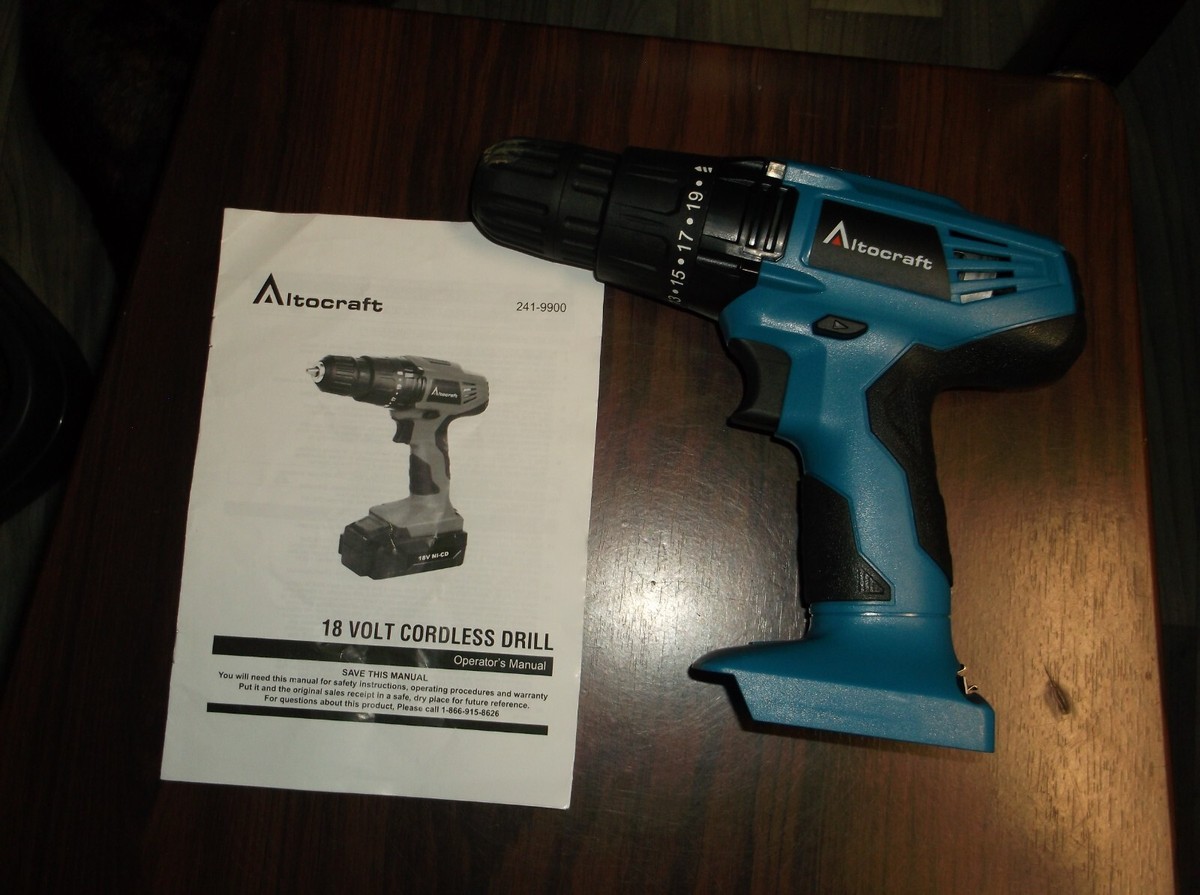
Credit: www.ebay.com
Testing Your Drill After Drying
After drying your cordless drill, check its power by turning it on briefly. Listen for normal sounds and ensure the drill runs smoothly. This confirms it is safe and ready to use again.
Preparing Your Drill For Testing
After drying your cordless drill, prepare it for a safe test. Remove the battery and inspect the drill for any visible moisture or damage. Let the drill sit for a while to ensure it is fully dry inside. Only insert the battery once you are sure the drill is completely dry.
Checking The Battery And Charger
Test the battery separately before attaching it to the drill. Charge the battery fully using the charger. Look for any signs of damage or corrosion on the battery terminals. A healthy battery is essential for the drill to work properly.
Conducting A Basic Function Test
Attach the battery and hold the drill firmly. Press the trigger gently to start the drill. Listen for any unusual sounds like grinding or clicking. Check if the drill spins smoothly at different speeds. Stop immediately if you notice any odd behavior.
Testing The Drill Under Light Load
Use the drill on a soft material like wood or plastic. Apply light pressure and observe its performance. The drill should run steadily without stalling or overheating. This test helps confirm the drill’s internal parts work correctly after drying.
Watching For Signs Of Moisture Damage
Keep an eye out for smoke, sparks, or burning smell during testing. These signs mean internal damage or electrical short circuits. If you see any, stop using the drill and consult a professional for repair.
Preventing Future Moisture Issues
Keeping your cordless drill dry prevents damage and extends its life. Moisture inside the drill can cause rust and electrical problems. Taking steps to avoid moisture build-up saves you time and money. Here are simple ways to protect your drill from future moisture issues.
Proper Storage Tips
Store your drill in a cool, dry place. Avoid damp basements or garages. Use a toolbox or plastic case to keep dust and water out. Keep the battery separate if you expect wet conditions. Always dry the drill before storing it.
Waterproofing Accessories
Use silicone spray to coat metal parts and protect against rust. Consider rubber covers for extra water protection. Waterproof cases can keep your drill safe during outdoor work. These small tools help keep moisture away and protect your drill.
Routine Maintenance
Check your drill regularly for signs of moisture or rust. Wipe it down after each use, especially if wet. Charge the battery in a dry area. Replace worn parts quickly to avoid bigger damage. Regular care keeps your drill working well longer.
Frequently Asked Questions
How Do I Quickly Dry Out A Cordless Drill?
Remove the battery and wipe the drill with a dry cloth. Use a fan or place it in a warm, dry area. Avoid direct heat or sunlight to prevent damage. Allow it to air dry for several hours before reassembling.
Can I Use A Hairdryer To Dry A Cordless Drill?
Yes, but use the hairdryer on a low heat setting. Keep it at a safe distance to avoid overheating. High heat can damage internal components. Drying slowly is better than quick drying with intense heat.
Should I Remove The Battery Before Drying The Drill?
Always remove the battery before drying to prevent electrical damage. This reduces the risk of short circuits and corrosion. Let both the drill and battery dry separately. Store the battery in a cool, dry place.
How Long Does It Take To Dry A Cordless Drill?
Drying time varies but typically takes 6 to 12 hours. It depends on the amount of moisture and drying conditions. Ensure the drill is completely dry before using or charging. Patience prevents long-term damage.
Conclusion
Drying out a cordless drill keeps it working well and safe. Act quickly to remove moisture after use. Open parts to air dry and use absorbent cloths. Avoid using heat sources that can damage the drill. Regular care helps extend your drill’s life.
Follow these simple steps to protect your tool. A dry drill performs better and lasts longer. Keep your drill ready for your next project. Simple habits make a big difference.
